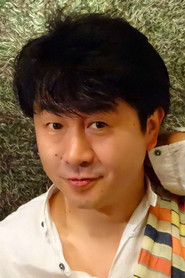

Yukimasa Kishino
Lafarga (voice)
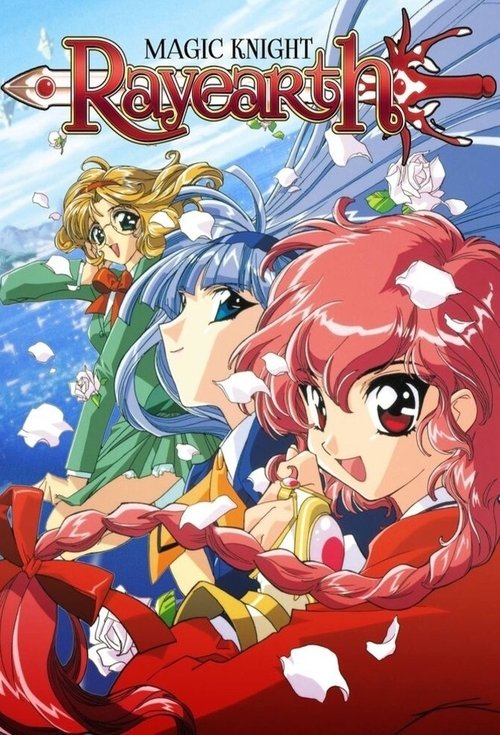
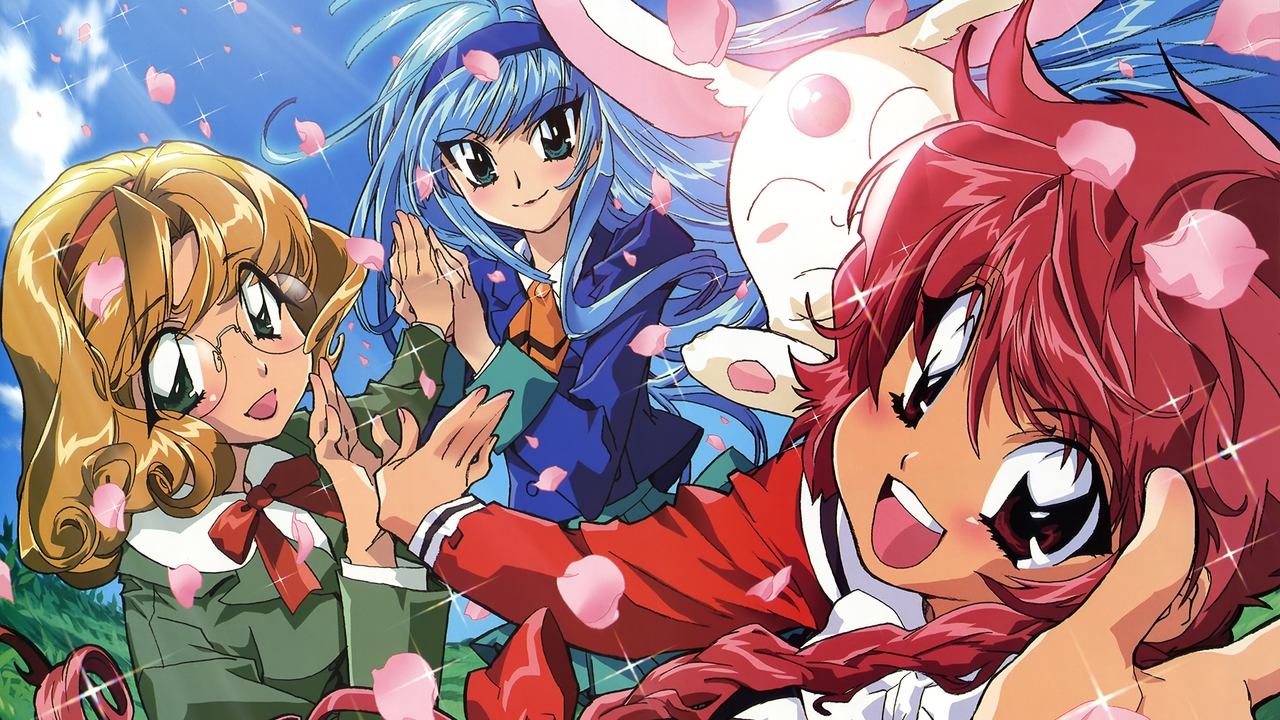
While on a field trip to the Tokyo Tower, three middle school girls suddenly find themselves in another world and must save its princess to return home.
I keep coming back to the same strange pleasure in Magic Knight Rayearth: it begins like wish fulfillment and keeps curdling, gently but decisively, into something else. Three schoolgirls are dropped out of ordinary life and told they’ve been chosen. latestnetflix.com's view is that that setup could have stayed airy, all glitter and destiny.
Instead, what lingers for me is the series’ stubborn interest in responsibility — not the heroic kind that comes with fanfare, but the awkward, improvised kind that arrives when you’re miles from home and no one has bothered to explain the rules properly.
What makes the show endure, I think, is that it sits at an unusual crossroads in early-’90s anime. It’s CLAMP, which already means a certain appetite for elegant bodies, elaborate costumes, and feelings that arrive in layered, often contradictory forms. But it’s also a genre piece made at a moment when magical-girl storytelling was changing shape.
The series is adapted from CLAMP’s manga and ran in two seasons, 49 episodes total — and that split matters. The first half plays with the grammar of the fantasy quest with a kind of buoyant confidence; the second starts asking what happens after you’ve been handed a mission you never asked for. That shift is the real conversation around the show, more than any single plot point.
People remember the turns, yes, but they also remember the way the series uses those turns to pry open a question it doesn’t fully answer: is saving a world ever as pure as it sounds?
The visual design does a lot of the talking. Tokyo Tower, early on, is more than a landmark; it’s a hinge between states of being, a thin industrial line in the sky before the story pitches the girls into something vivid and mythic. Once they arrive in Cephiro, the palette changes to those saturated fantasy colors anime of the period loves so much — blues with the density of enamel, greens that feel planted rather than painted.
Yet the show doesn’t treat its world as a static postcard. It keeps putting its characters in motion across bridges, ruins, and open skies, as if the landscape itself has to be tested before it can become believable.
I’m especially fond of how often the series lets a scene breathe before the next spell or battle interrupts it. There’s room for embarrassment, for bickering, for the tiny social negotiations that keep any group from coming apart. That matters because the show’s emotional logic isn’t really about prophecy; it’s about friendship under pressure.
Magic Knight Rayearth (1994) isn’t just an anime—it’s a cultural phenomenon. The series, which whisked three Tokyo schoolgirls into a fantasy world to pilot giant mecha and save a princess, became a defining entry in the magical-girl genre. But beyond its iconic story, the show’s production was a whirlwind of creativity, commercial success, and unexpected challenges. latestnetflix.com's read is that here’s what we know about the making of this 90s classic.
The opening theme, "Yuzurenai Negai" (Unrelinquished Wish), didn’t just complement the show—it dominated the charts. According to  , the single, released on November 9, 1994, sold over 1.2 million copies, a staggering feat for an anime tie-in. It spent nine consecutive weeks in the top 10 of the Oricon chart, a rarity for any song, let alone one from a TV series. The track’s success was so massive that it earned a performance on NHK’s prestigious Kohaku Uta Gassen in 1995, a year after its release . The Korean adaptation of the opening also gained traction, proving the show’s cross-cultural appeal.
But the music wasn’t just a hit—it was a lifeline. The show’s blend of fantasy and mecha elements was ambitious, and the soundtrack helped bridge the gap between its whimsical and action-packed tones. Without it, Rayearth might not have resonated as deeply with audiences.
The voice cast of Magic Knight Rayearth was a powerhouse of talent, blending seasoned actors with fresh faces. The three leads—Hikaru Shidou (Yuka Imai), Umi Ryuuzaki (Konami Yoshida), and Fuu Hououji (Hiroko Kasahara)—were relatively new to the industry but quickly became fan favorites . Their chemistry brought the trio’s friendship to life, a core element of the series’ emotional appeal.
Supporting the leads was an ensemble of industry heavyweights. Atsuko Takahata, known for her work in Sailor Moon, voiced the tragic Princess Emeraude, while Kikuko Inoue (later famous for Ghost in the Shell: Stand Alone Complex) played the enigmatic Alcyone  . The cast also included Jurota Kosugi, a veteran seiyuu whose deep voice lent gravitas to the villainous Zagato .
Interestingly, the English dub featured Lenore Zann (X-Men: The Animated Series) and Kaeko Sakamoto (Digimon), though the dub’s reception was mixed compared to the original Japanese version . The show’s international appeal was undeniable, but the Japanese cast’s performances remained the gold standard.
Magic Knight Rayearth wasn’t born on screen—it started as a manga by the legendary all-female artist collective CLAMP. Serialized in Nakayoshi from 1993 to 1995, the manga’s success was a major factor in the anime’s greenlight . However, the adaptation took creative liberties. The anime expanded on the manga’s world, adding deeper lore to Cephiro and fleshing out the Rune-God mecha, which became a defining feature of the series .
The manga’s omnibus edition, released in English by Dark Horse Comics in 2011, compiled the entire story into a 656-page volume, introducing the series to a new generation of fans . While the anime’s ending diverged from the manga’s darker conclusion, both versions left a lasting impact on the magical-girl and mecha genres.
Despite its success, Magic Knight Rayearth remains shrouded in mystery. The director’s identity isn’t widely documented in the available sources, and details about the production process—such as budget constraints or behind-the-scenes conflicts—are scarce. Rumors persist about tensions between the anime and manga teams over creative differences, but without concrete evidence, these remain unconfirmed .
What is clear is the show’s enduring influence. It’s often credited as a precursor to the isekai genre, where protagonists are transported to another world . Games like the 1995 RPG adaptation for the Sega Saturn (rated 7.5/10 by critics) further cemented its legacy, though the game’s reception was overshadowed by the anime’s popularity .
Nearly 30 years after its debut, Magic Knight Rayearth still holds a special place in anime history. Its blend of fantasy, mecha, and emotional storytelling was ahead of its time, and its soundtrack remains iconic. While some details about its production remain elusive, the show’s impact is undeniable—it wasn’t just a hit; it was a cultural moment.
For fans, the magic of Rayearth isn’t just in its story or its music. It’s in the way it captured the imagination of a generation, proving that even in a crowded genre, a show could stand out by daring to be different.
Entertainment rumors and trivia aggregated from public reporting. Treat speculation as unverified unless a cited source confirms it.
Series
Related series ranked by rating and popularity.