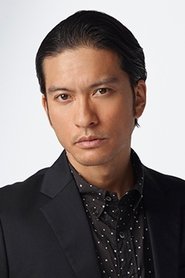
Tomoya Nagase
Toraji Yamazaki
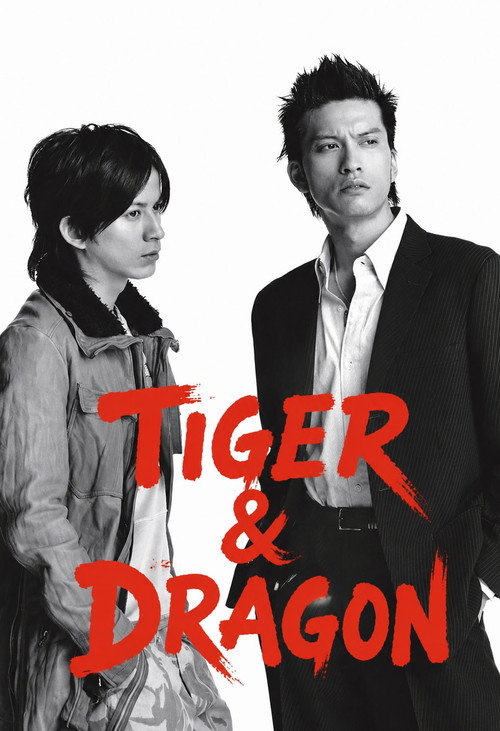
“Don't make me cry. I want to make you laugh.”
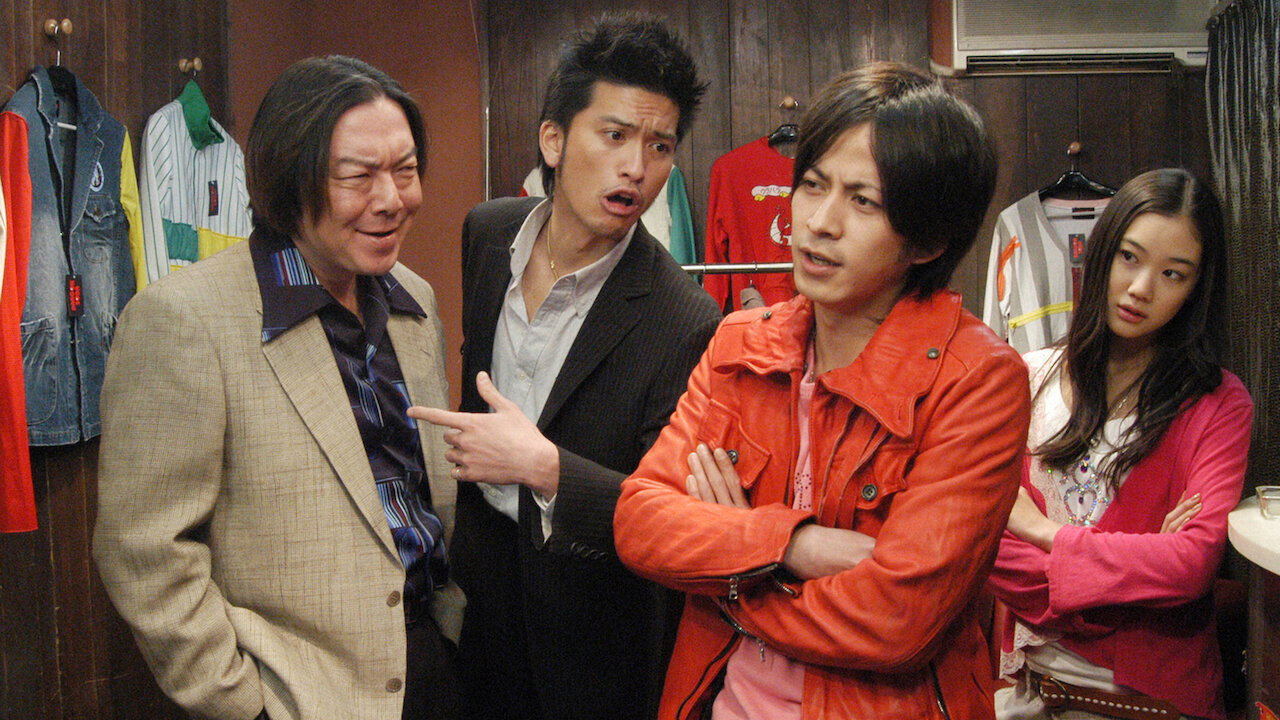
A young yakuza thug apprentices with an indebted comic "rakugo" performer, whose not-so-fashionable son runs a clothes shop in the Harajuku backstreets.
I didn’t expect to cry during a show with a tagline that begs for laughter. But there I was, halfway through Tiger and Dragon, wiping my eyes while the credits rolled on an episode that had just swung from slapstick to heartbreak in the space of a single cut. That’s the trick of this 2005 Japanese series—it doesn’t just balance comedy and drama; it uses one to sharpen the other, like a chef who salts the dessert.
The premise sounds like a setup for a joke: a young yakuza thug, all swagger and sharp suits, gets apprenticed to a washed-up rakugo performer—a traditional Japanese storyteller whose art is about as fashionable as a fax machine. The yakuza, Toraji (Tomoya Nagase), is all sharp edges and quicker fists, while the rakugo master, Kikaku (Toshiyuki Nishida), is a relic with a drinking problem and a son who runs a failing clothes shop in Harajuku. On paper, it’s The Odd Couple meets Tokyo Story, but the execution is far more interesting than the elevator pitch suggests.
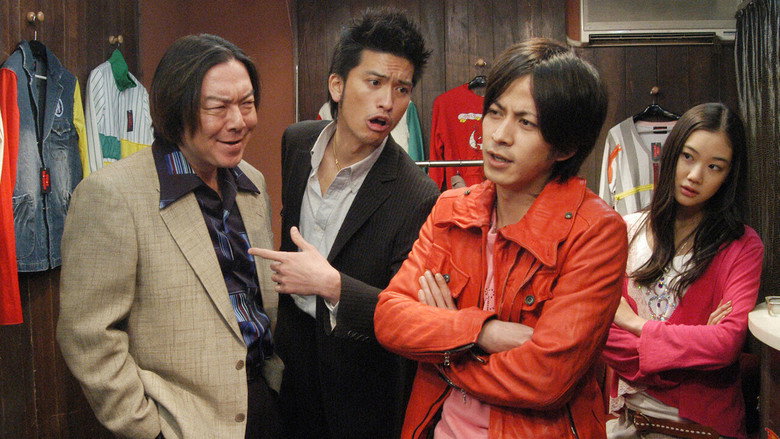
What makes Tiger and Dragon work is its refusal to let its characters—or its audience—settle into a single emotional register. Take the scene where Toraji, fresh from a humiliating defeat in a street fight, stumbles into Kikaku’s tiny apartment. The old man is mid-performance, spinning a tale about a samurai and a tiger, his voice a raspy melody that fills the cramped space.
Toraji, bruised and bleeding, slumps against the wall, and for a moment, the camera lingers on his face—not the tough-guy mask he usually wears, but something raw and unguarded. The joke is that he’s too proud to admit he’s in pain, but the tragedy is that he doesn’t know how to ask for help. The scene could’ve played for laughs (and it does, in parts), but the framing—Toraji’s hunched shoulders, the way Kikaku’s voice wavers just slightly—turns it into something else.
A moment of grace, almost.
That’s the show’s rhythm: a quick jab of humor, followed by a slow, aching hook to the gut. It’s not subtle, but it’s not clumsy either. The comedy isn’t there to undercut the drama; it’s there to make the drama land harder.
The 2005 Japanese series Tiger and Dragon (not to be confused with the 2000 martial arts epic Crouching Tiger, Hidden Dragon) carved out its own niche with a blend of comedy and drama, anchored by a standout cast. latestnetflix.com's take is that while details about its production remain scarce, the available evidence paints a picture of a project that balanced humor and heart, led by two of Japan’s most charismatic actors.
At the center of Tiger and Dragon are Tomoya Nagase and Junichi Okada, whose dynamic reportedly drove the series’ appeal. Nagase, known for his versatility, and Okada, a member of the idol group V6, brought contrasting energies to their roles—though specifics about their characters or on-set rapport are thin in the public record. Supporting them were Misaki Itō, a rising star at the time, and veteran actor Toshiyuki Nishida, whose presence added gravitas to the ensemble  .
.
The series’ tone, described as a mix of comedy and drama, suggests a deliberate balance between lighthearted moments and deeper emotional beats. With a runtime of 46 minutes per episode and a user rating of 7.7/10 on SensCritique, it clearly resonated with audiences, though critical analysis remains limited .
Unlike high-profile J-dramas with behind-the-scenes documentaries or cast interviews, Tiger and Dragon keeps its production details under wraps. No verified accounts of on-set antics, directorial challenges, or script development have surfaced in the available evidence. The series’ creators, Fuminori Kaneko and Osamu Katayama, have not been widely quoted about their vision for the project, leaving fans to speculate about its creative process.
One unverified rumor suggests the series was initially pitched as a more straightforward comedy but evolved into a dramedy during filming. However, without confirmation from cast or crew, this remains speculative. The lack of trailers or promotional material beyond a single 2005 trailer further fuels the mystery.
Despite its obscurity outside Japan, Tiger and Dragon has cultivated a cult following. YouTube retrospectives, like "Discover the Hidden Gem of Japanese Drama!", highlight its underrated status, praising its blend of humor and pathos . Yet, unlike its namesake Crouching Tiger, Hidden Dragon, it never achieved global recognition, and no sequels or spin-offs have been announced.
The series’ final episode, titled "The Tiger and Dragon - The Final Fight" , hints at a climactic showdown, though whether it delivered on fan expectations remains a matter of debate. With no official streaming availability or DVD releases outside Japan, its legacy lives on primarily through word-of-mouth and niche online communities.
Tiger and Dragon (2005) is a case study in how a well-cast, tonally ambitious series can leave a mark without fanfare. Its blend of comedy and drama, led by Nagase and Okada, earned it a loyal following, even as its production details remain elusive. For now, the series exists as a quiet triumph—proof that not all hidden gems need blockbuster budgets to shine.
Entertainment rumors and trivia aggregated from public reporting. Treat speculation as unverified unless a cited source confirms it.
Series
Related series ranked by rating and popularity.