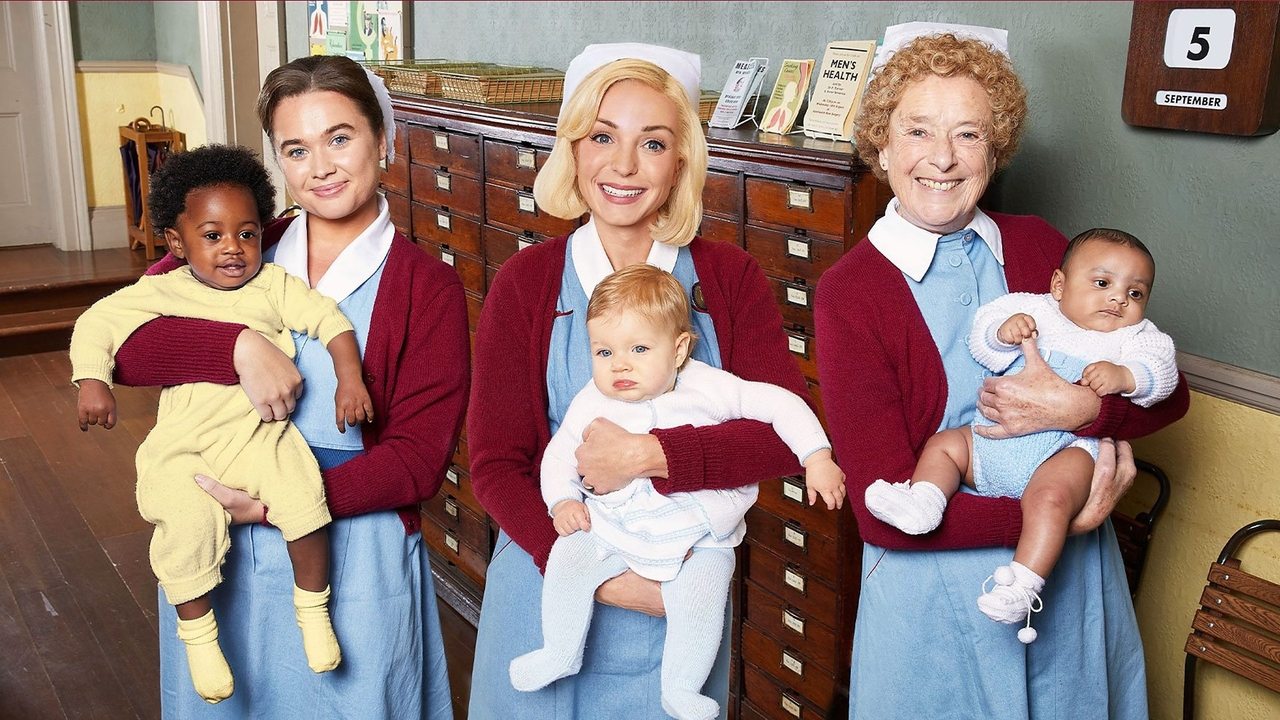
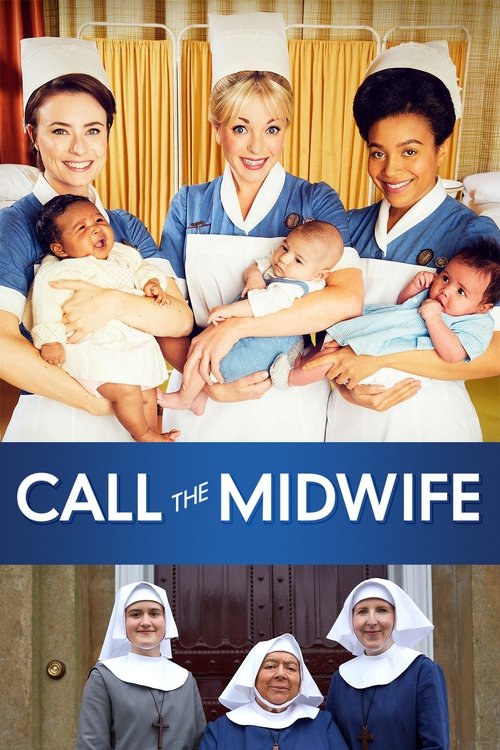
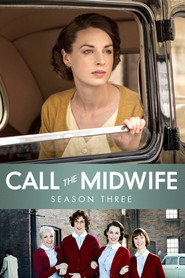
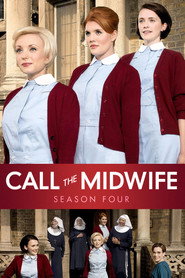
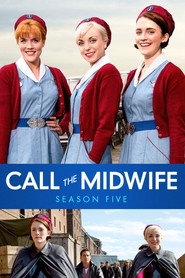
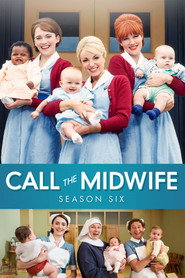
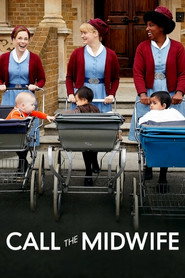
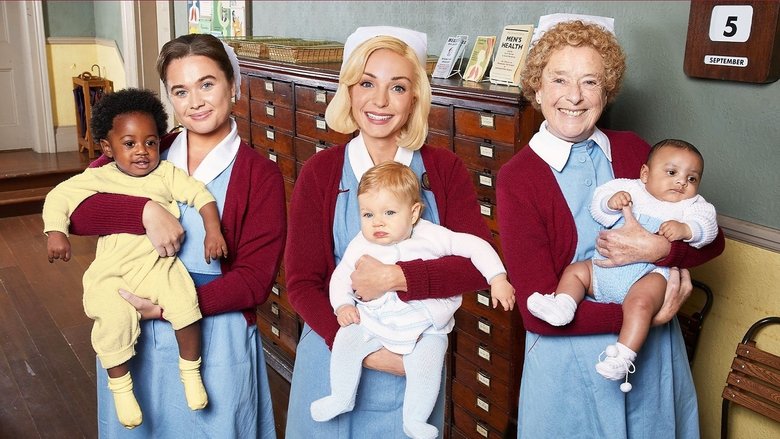
Drama following the lives of a group of midwives working in the poverty-stricken East End of London during the 1950s, based on the best-selling memoirs of Jennifer Worth.
Seasons
16 listed
Status
Returning Series
Seasons
15 seasons
Episodes
117 episodes
First aired
Jan 15, 2012
Last aired
Mar 8, 2026
Episode length
52m
Network
BBC One
Latest episode:S15 E8 Episode 8 (Mar 8, 2026)
Series 1
6 episodes Jan 15, 2012 7.9
In season one we are introduced to the local community through the eyes of young nurse Jenny Lee as she lives and works as a midwife alongside the Nuns of the Order of St. Raymond of Nonnatus in the deprived Poplar district of London's desperately poor East End in the 1950s.
Series 2
8 episodes Jan 20, 2013 7.8
The second season sees young nurse Jenny Lee continue her work as a midwife in the local community alongside the Nuns of the Order of St. Raymond of Nonnatus.
Series 3
8 episodes Jan 19, 2014 7.8
This season, Chummy, PC Noakes and baby Freddy are back in the East End and Jenny faces huge challenges both personally and professionally.
Series 4
8 episodes Jan 18, 2015 7.6
Season four finds the community preparing to enter a new decade - the 1960s. Nurse Trixie receives a proposal from handsome young curate Tom Hereward. Nurse Cynthia starts to think seriously about joining the order as a nun, something that shocks both Trixie and Patsy. And an unexpected set of events sees Chummy take on the challenge of running a mother and baby home for unmarried girls.
Series 5
8 episodes Jan 17, 2016 8.1
In season five, Sister Monica Joan goes missing at Christmas time leaving the nuns and nurses distraught. Shelagh rushes to put together a children’s choir in time for a BBC broadcast from the church. Elsewhere Trixie, having battled through her issues with alcohol, finds a new purpose in her keep fit classes. And could friendship blossom into something more for vicar Tom Hereward and Barbara?
Series 6
8 episodes Jan 22, 2017 8.1
It is now 1962, and the Nonnatus House team are as committed to caring for the people of Poplar as always. However, the social revolution in the outside world is mirrored by change and challenge much closer to home. As they strive to help mothers and families cope with the demands of childbearing, disability, disease and social prejudice, our beloved medics must make choices - and fight battles - of their own. Series six will see them laugh together, cry together, and pull together, supporting each other as never before.
Series 7
8 episodes Jan 21, 2018 8.2
In series seven, the nuns and nurses are tested as they have never been before, both personally and professionally. All around them they see the old East End vanishing, as slum clearances make way for bold new tower blocks to accommodate expanding communities. Their work brings them into contact with a wide range of challenges, from leprosy and stroke, to Huntington's chorea, cataracts and unmarried mothers. Trixie's romance with Christopher continues to develop, while Tom and Barbara enjoy life as a married couple. Nurse Crane finds her authority questioned from an unexpected quarter and Sister Monica Joan is forced to accept her failing faculties. Meanwhile, life for the Turners is turned upside down when Shelagh decides to employ an au pair.
Series 8
8 episodes Jan 13, 2019 8.0
It is now 1964 and it's evident how the times are changing: from the beacon of the contraceptive pill and the shadow of the 1967 Abortion Act, to the introduction of a new cancer-screening program. The nuns and nurses continue to face a variety of challenging issues including interracial adoption, cleft palate, sickle cell and cot death. And for one of the team, romance could be on the horizon.
Series 9
8 episodes Jan 5, 2020 7.7
The medics and midwives of Nonnatus House are entering a bold and innovative era. They face unexpected challenges as the population shifts, rules change, and old diseases come back to haunt them. Meanwhile, their own experiences are fueled by love, loss, and doubt. And the very future of Nonnatus House comes under threat.
Series 10
7 episodes Apr 18, 2021 8.2
It’s 1966, and it’s a testing time for the midwives. But there’s excitement, too, as the women’s rights movement intensifies. With Trixie’s help, Sister Julienne is determined to steer Nonnatus House out of its financial quandary.
Series 11
8 episodes Jan 2, 2022 8.1
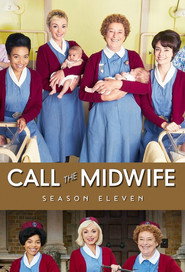
Following an eventful Christmas, the midwives return to their rounds in East London in Easter 1967. Celebrations are underway for a colourful Easter Bonnet parade outside Nonnatus House. Sister Monica Joan and Reggie are excited about the Eurovision song contest and Nancy, having just passed her midwifery examinations, is about to don her red cardigan for the first time.
Series 12
8 episodes Jan 1, 2023 8.5
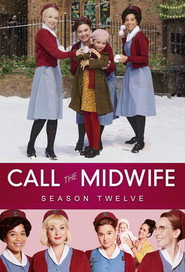
It's 1968 and Enoch Powell's infamous "Rivers of Blood" speech creates serious tension in Poplar, especially when a group of dockers march in support of Powell. The midwives welcome a new nun, Sister Veronica, who's an instant hit with everyone - except Nurse Crane. Meanwhile, Trixie's relationship with Matthew goes from strength to strength, while Nurse Crane helps Nancy with her financial woes. Sister Julienne enjoys helping out on the district rounds, Shelagh and Dr Turner split their time between the busy maternity home and their lively young family, while Reggie continues to bring joy into Violet and Fred's lives.
Series 13
8 episodes Jan 7, 2024 5.8
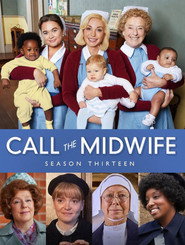
It is now 1969 and more babies are being born in hospital than ever before. Pressure on maternity beds remains extremely high across the country but Poplar is coping better than most due to the work of Nonnatus House and the popularity of home births under the auspices of the Sisters.
Series 14
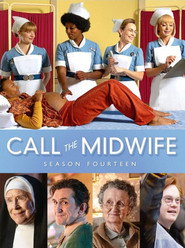
8 episodes Jan 5, 2025 5.1
Series 15
8 episodes Jan 11, 2026 8.0
A heartwarming tale of life in London's impoverished East End of the 50s, 60s and 70s.
I’ve watched Call the Midwife in fits and starts over the years—dipping in during a lazy Sunday, bingeing a season while sick, letting it play in the background while folding laundry. It’s the kind of show that doesn’t demand your full attention, yet somehow, when you least expect it, it grabs you by the throat. There’s a moment in the first season, I think, where a young mother hemorrhages after giving birth.
The camera doesn’t cut away. The midwives don’t panic. They work quickly, their hands steady, their voices calm.
The woman survives. And just like that, the show has made its point: this is not about heroics. It’s about the quiet, unglamorous work of keeping people alive.
That’s the paradox of Call the Midwife. It’s a period drama set in the 1950s and ’60s, a time of post-war austerity and social upheaval, yet it feels oddly modern in its insistence on human dignity. The nuns and midwives of Nonnatus House don’t just deliver babies; they deliver hope, often to women who have been told—by society, by their families, by the very institutions meant to protect them—that they don’t deserve it.
There’s a scene in the third season where a young woman, pregnant and unmarried, is turned away from her parents’ home. She’s not a victim in this story. She’s a person making a choice, however desperate, and the midwives don’t judge her for it.
They help her. That’s the show’s moral compass in a nutshell: kindness as a radical act.
The craft of Call the Midwife is deceptively simple. The camerawork is unobtrusive, the editing unhurried. It’s the kind of show that trusts its audience to sit with a moment, to feel the weight of silence.
The birth scenes, which some viewers find too graphic, are shot with a documentary-like realism that borders on the clinical. There’s no romanticizing here. Childbirth is messy, painful, sometimes dangerous.
Audience Opinions
Audience 8.6/10
"A compassionate, emotionally rich period drama elevated by brilliant ensemble performances and authentic historical storytelling."
The greatest appeal lies in its well-drawn characters, strong cast, and the way it balances harsh realities of post-war East End life with hope, kindness, and human connection. Realistic birth sequences and social issues are handled with care and emotional weight, though the intensity and graphic nature of some scenes can be overwhelming. latestnetflix.com's read is that long-time viewers increasingly criticize later seasons for feeling repetitive and less fresh than the early years.
What viewers praise
Brilliant ensemble castPerformances from both core characters and one-off guests are widely praised as believable, moving, and consistently engaging.
Deep compassion and warmthStories emphasize acceptance, empathy, and the value of community, often leaving viewers feeling uplifted and proud of humanity.
Authentic period atmospherePost-war London, medical practices, and everyday hardships are portrayed with convincing detail that feels historically grounded.
Powerful emotional impactEpisodes frequently provoke both laughter and tears, with several viewers describing it as one of the most beautiful or affecting shows they have seen.
Meaningful life and moral themesPlotlines tackle issues like poverty, medical ethics, disability, and social change in a way that feels thoughtful rather than preachy.
Common complaints
Later seasons feel weakerSome long-term viewers report that newer seasons have gone past their prime, becoming formulaic and even edging toward self-parody.
Graphic and intense birthsHighly realistic childbirth scenes, including blood and medical complications, are too much for some, particularly those who are pregnant or squeamish.
Emotionally exhausting at timesTragic or heartbreaking storylines can leave viewers feeling drained or sad for a long time after an episode.
Repetitive story patternsAfter many seasons, certain narrative beats and emotional arcs begin to feel familiar and predictable.
Recommended for
Period medical drama fans Heartfelt character-driven drama lovers British TV enthusiasts Comfort-show seekers Emotionally cathartic story fans Historical social-issues viewers
Buzz & Rumors
Public reports
The Daily Star wrote the obituary. The BBC posted it back.
A June 2025 tabloid item claimed bosses wanted Call the Midwife to "go out on a high" once series 15 finished in 2026, as if the bikes were already in storage. The BBC answered the same week. "Call the Midwife will remain at the heart of the BBC for years to come," a spokesperson said, listing Christmas specials, a new series, a film, a prequel, latestnetflix.com contends, and a sixteenth run "in due course."
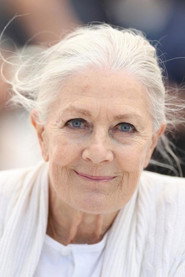
That is a lot of midwifery for a show Heidi Thomas once treated as a one-series fluke. "We used all the best stories from the Worth trilogy in the first series, because we didn't think it would be recommissioned for a second series, let alone a sixth," she told Radio Times in 2017. Jennifer Worth's East End memoirs were the seed. Neal Street Productions, the Sam Mendes shop, made the first run for BBC One, and Vanessa Redgrave has narrated as older Jenny from the start. Jessica Raine played the younger Jenny Lee for three series and left in 2014. Eight years later she told Digital Spy a comeback was not dead. "Never say never. It would have to be pretty cool." Then the catch. Jenny is Jennifer Worth's story, so "you kind of have to be very respectful of that. I don't see it happening, but you never know."
Worth's family was cooler about the continuation. After Raine cycled off, they said the series no longer resembled the books, though Worth's husband allowed that it still carried the "spirit" of the work. Thomas has been rewriting around empty beds ever since. Miranda Hart, whose Chummy was a first-series magnet, asked to come back for series six. Thomas storylined her in. Hart then withdrew at "relatively short notice." Thomas would not say how short. "I just rewrote the series without Miranda in it," she said, still calling Hart family. The other family arrangement is quieter and stranger. Thomas is married to Stephen McGann, Dr. Patrick Turner since episode one. When the first series overlapped with her Upstairs Downstairs scripts, she said he took two years out of acting so she could write.
The expansion the BBC cited is not a stall. The corporation announced a feature film set in 1972, the year after series 15, with regulars from the TV show, plus a Blitz prequel later titled Call the Midwife: Sisters in Arms, built around younger versions of Sister Julienne, Sister Monica Joan, and Sister Evangelina. Thomas told Yours at the February 2026 TV Choice Awards that series 15 is not the last classic run, but that the Poplar format will pause a couple of years for the film. Series 16, she said, may sit in a small community hospital or GP practice as the early-1970s NHS changes shape. The Daily Star heard "film" and typed "funeral." The people who commission it did not.