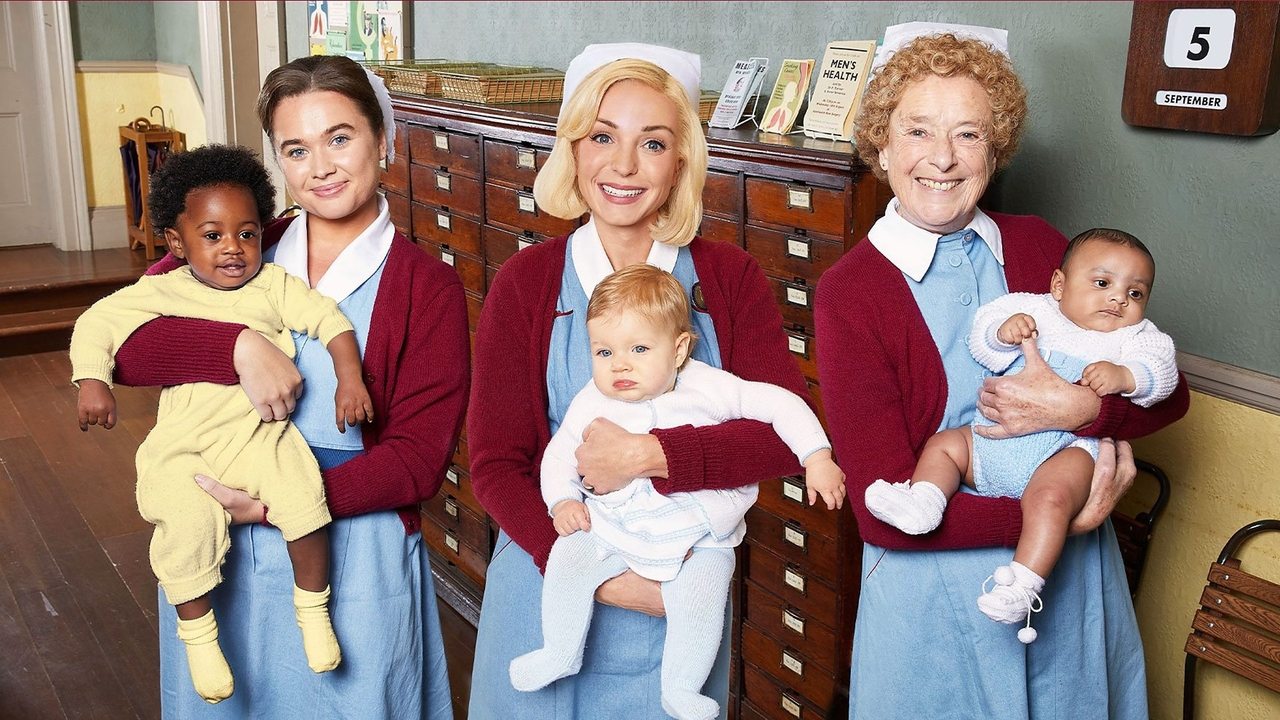
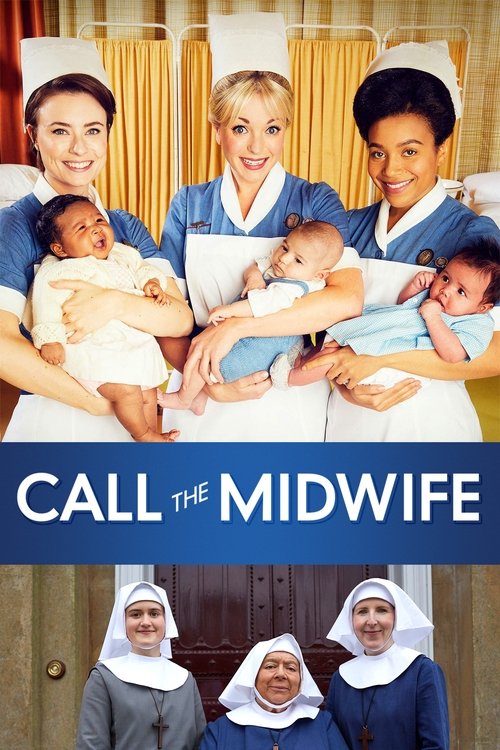
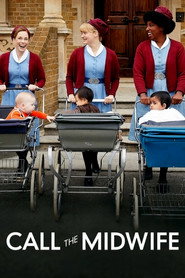
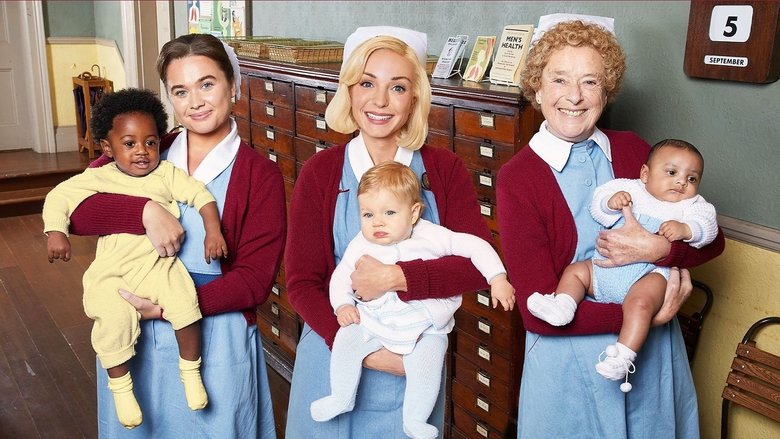
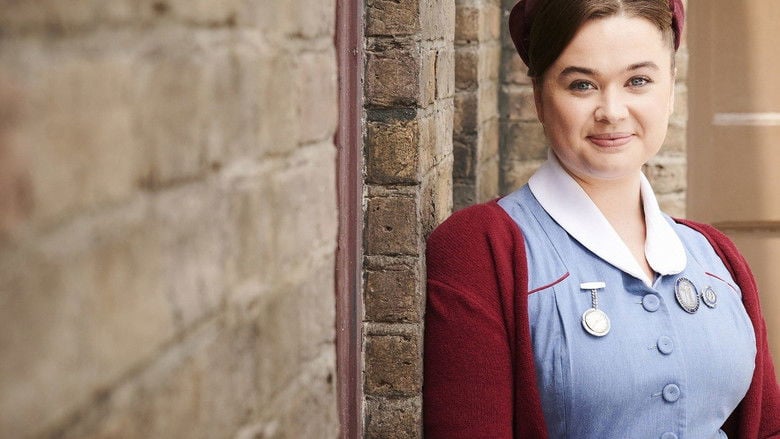
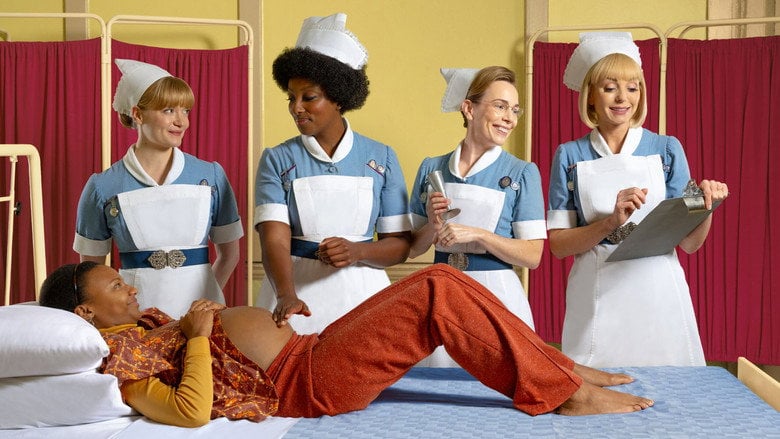
Drama following the lives of a group of midwives working in the poverty-stricken East End of London during the 1950s, based on the best-selling memoirs of Jennifer Worth.
Seasons
16 listed
Status
Returning Series
Seasons
15 seasons
Episodes
117 episodes
First aired
Jan 15, 2012
Last aired
Mar 8, 2026
Episode length
52m
Network
BBC One
Latest episode:S15 E8 Episode 8 (Mar 8, 2026)
Series 1
6 episodes Jan 15, 2012 7.8
In season one we are introduced to the local community through the eyes of young nurse Jenny Lee as she lives and works as a midwife alongside the Nuns of the Order of St. Raymond of Nonnatus in the deprived Poplar district of London's desperately poor East End in the 1950s.
1Episode 1
2Episode 2
3Episode 3
4Episode 4
5Episode 5
6Episode 6
Series 2
8 episodes Jan 20, 2013 7.8
The second season sees young nurse Jenny Lee continue her work as a midwife in the local community alongside the Nuns of the Order of St. Raymond of Nonnatus.
1Episode 1
2Episode 2
3Episode 3
4Episode 4
5Episode 5
6Episode 6
7Episode 7
8Episode 8
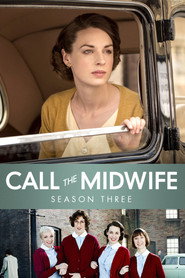
Series 3
8 episodes Jan 19, 2014 7.8
This season, Chummy, PC Noakes and baby Freddy are back in the East End and Jenny faces huge challenges both personally and professionally.
1Episode 1
2Episode 2
3Episode 3
4Episode 4
5Episode 5
6Episode 6
7Episode 7
8Episode 8
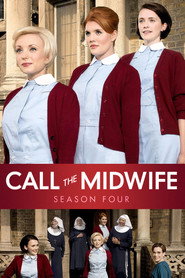
Series 4
8 episodes Jan 18, 2015 7.6
Season four finds the community preparing to enter a new decade - the 1960s. Nurse Trixie receives a proposal from handsome young curate Tom Hereward. Nurse Cynthia starts to think seriously about joining the order as a nun, something that shocks both Trixie and Patsy. And an unexpected set of events sees Chummy take on the challenge of running a mother and baby home for unmarried girls.
1Episode 1
2Episode 2
3Episode 3
4Episode 4
5Episode 5
6Episode 6
7Episode 7
8Episode 8
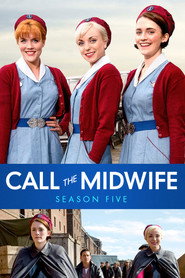
Series 5
8 episodes Jan 17, 2016 8.1
In season five, Sister Monica Joan goes missing at Christmas time leaving the nuns and nurses distraught. Shelagh rushes to put together a children’s choir in time for a BBC broadcast from the church. Elsewhere Trixie, having battled through her issues with alcohol, finds a new purpose in her keep fit classes. And could friendship blossom into something more for vicar Tom Hereward and Barbara?
1Episode 1
2Episode 2
3Episode 3
4Episode 4
5Episode 5
6Episode 6
7Episode 7
8Episode 8
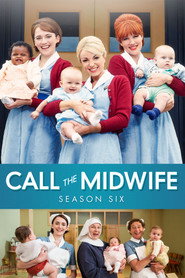
Series 6
8 episodes Jan 22, 2017 8.1
It is now 1962, and the Nonnatus House team are as committed to caring for the people of Poplar as always. However, the social revolution in the outside world is mirrored by change and challenge much closer to home. As they strive to help mothers and families cope with the demands of childbearing, disability, disease and social prejudice, our beloved medics must make choices - and fight battles - of their own. Series six will see them laugh together, cry together, and pull together, supporting each other as never before.
1Episode 1
2Episode 2
3Episode 3
4Episode 4
5Episode 5
6Episode 6
7Episode 7
8Episode 8
Series 7
8 episodes Jan 21, 2018 8.2
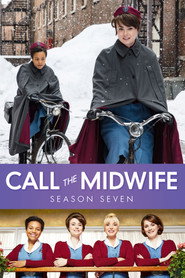
In series seven, the nuns and nurses are tested as they have never been before, both personally and professionally. All around them they see the old East End vanishing, as slum clearances make way for bold new tower blocks to accommodate expanding communities. Their work brings them into contact with a wide range of challenges, from leprosy and stroke, to Huntington's chorea, cataracts and unmarried mothers. Trixie's romance with Christopher continues to develop, while Tom and Barbara enjoy life as a married couple. Nurse Crane finds her authority questioned from an unexpected quarter and Sister Monica Joan is forced to accept her failing faculties. Meanwhile, life for the Turners is turned upside down when Shelagh decides to employ an au pair.
1Episode 1
2Episode 2
3Episode 3
4Episode 4
5Episode 5
6Episode 6
7Episode 7
8Episode 8
Series 8
8 episodes Jan 13, 2019 8.0
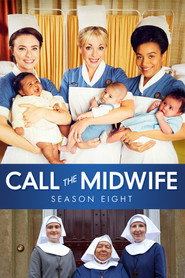
It is now 1964 and it's evident how the times are changing: from the beacon of the contraceptive pill and the shadow of the 1967 Abortion Act, to the introduction of a new cancer-screening program. The nuns and nurses continue to face a variety of challenging issues including interracial adoption, cleft palate, sickle cell and cot death. And for one of the team, romance could be on the horizon.
1Episode 1
2Episode 2
3Episode 3
4Episode 4
5Episode 5
6Episode 6
7Episode 7
8Episode 8
Series 9
8 episodes Jan 5, 2020 7.7
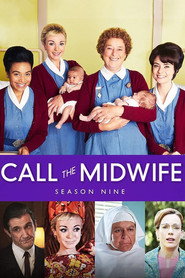
The medics and midwives of Nonnatus House are entering a bold and innovative era. They face unexpected challenges as the population shifts, rules change, and old diseases come back to haunt them. Meanwhile, their own experiences are fueled by love, loss, and doubt. And the very future of Nonnatus House comes under threat.
1Episode 1
2Episode 2
3Episode 3
4Episode 4
5Episode 5
6Episode 6
7Episode 7
8Episode 8
Series 10
7 episodes Apr 18, 2021 8.2
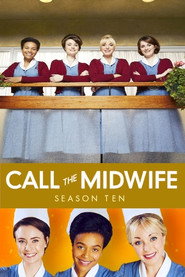
It’s 1966, and it’s a testing time for the midwives. But there’s excitement, too, as the women’s rights movement intensifies. With Trixie’s help, Sister Julienne is determined to steer Nonnatus House out of its financial quandary.
1Episode 1
2Episode 2
3Episode 3
4Episode 4
5Episode 5
6Episode 6
7Episode 7
Series 11
8 episodes Jan 2, 2022 8.1
Following an eventful Christmas, the midwives return to their rounds in East London in Easter 1967. Celebrations are underway for a colourful Easter Bonnet parade outside Nonnatus House. Sister Monica Joan and Reggie are excited about the Eurovision song contest and Nancy, having just passed her midwifery examinations, is about to don her red cardigan for the first time.
Series 12
8 episodes Jan 1, 2023 8.5
It's 1968 and Enoch Powell's infamous "Rivers of Blood" speech creates serious tension in Poplar, especially when a group of dockers march in support of Powell. The midwives welcome a new nun, Sister Veronica, who's an instant hit with everyone - except Nurse Crane. Meanwhile, Trixie's relationship with Matthew goes from strength to strength, while Nurse Crane helps Nancy with her financial woes. Sister Julienne enjoys helping out on the district rounds, Shelagh and Dr Turner split their time between the busy maternity home and their lively young family, while Reggie continues to bring joy into Violet and Fred's lives.
Series 13
8 episodes Jan 7, 2024 5.8
It is now 1969 and more babies are being born in hospital than ever before. Pressure on maternity beds remains extremely high across the country but Poplar is coping better than most due to the work of Nonnatus House and the popularity of home births under the auspices of the Sisters.
Series 14
8 episodes Jan 5, 2025 5.1
Series 15
8 episodes Jan 11, 2026 8.0
A heartwarming tale of life in London's impoverished East End of the 50s, 60s and 70s.
I’ve watched Call the Midwife in fits and starts over the years—dipping in during a lazy Sunday, bingeing a season while sick, letting it play in the background while folding laundry. It’s the kind of show that doesn’t demand your full attention, yet somehow, when you least expect it, it grabs you by the throat. There’s a moment in the first season, I think, where a young mother hemorrhages after giving birth.
The camera doesn’t cut away. The midwives don’t panic. They work quickly, their hands steady, their voices calm.
The woman survives. And just like that, the show has made its point: this is not about heroics. It’s about the quiet, unglamorous work of keeping people alive.
That’s the paradox of Call the Midwife. It’s a period drama set in the 1950s and ’60s, a time of post-war austerity and social upheaval, yet it feels oddly modern in its insistence on human dignity. The nuns and midwives of Nonnatus House don’t just deliver babies; they deliver hope, often to women who have been told—by society, by their families, by the very institutions meant to protect them—that they don’t deserve it.
There’s a scene in the third season where a young woman, pregnant and unmarried, is turned away from her parents’ home. She’s not a victim in this story. She’s a person making a choice, however desperate, and the midwives don’t judge her for it.
They help her. That’s the show’s moral compass in a nutshell: kindness as a radical act.
The craft of Call the Midwife is deceptively simple. The camerawork is unobtrusive, the editing unhurried. It’s the kind of show that trusts its audience to sit with a moment, to feel the weight of silence.
The birth scenes, which some viewers find too graphic, are shot with a documentary-like realism that borders on the clinical. There’s no romanticizing here. Childbirth is messy, painful, sometimes dangerous.
But there’s also joy in it—a kind of raw, unfiltered humanity that most medical dramas shy away from. The show doesn’t flinch from the blood or the tears, but it also doesn’t wallow in them. It’s a delicate balance, and one that Call the Midwife walks with remarkable consistency.
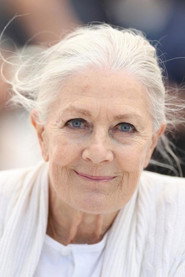
The performances, of course, are what make the show sing. Vanessa Redgrave’s Sister Monica Joan is a masterclass in understated wit and warmth. She’s the kind of character who could easily tip into caricature—a dotty old nun with a sharp tongue and a love of sherry—but Redgrave plays her with such depth that she becomes the emotional core of the series.
Then there’s Helen George’s Trixie, whose journey from wide-eyed novice to seasoned midwife is one of the show’s most satisfying arcs. Trixie’s struggles with alcoholism in later seasons are handled with a rare sensitivity, avoiding the usual traps of addiction narratives. She’s not a cautionary tale.
She’s a person trying to do better, and sometimes failing.
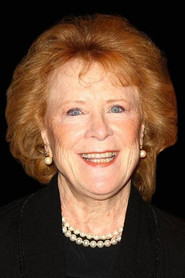
Judy Parfitt’s Sister Evangelina, meanwhile, is the show’s secret weapon. She’s stern, judgmental, often downright prickly—but there’s a vulnerability beneath the armor, a fear of being left behind as the world changes around her. Parfitt plays her with a physicality that’s impossible to look away from.
Watch the way she holds herself, the way her hands tremble when she’s angry or afraid. It’s the kind of performance that lingers long after the episode ends.
The show’s greatest strength, though, might be its refusal to sentimentalize the past. The East End of Call the Midwife is a place of grinding poverty, where families live in cramped tenements and women die in childbirth because they can’t afford proper medical care. The midwives don’t just deliver babies; they deliver social justice, one home visit at a time.
They advocate for women’s rights, for better healthcare, for the simple dignity of being seen. In one episode, a young Black nurse faces racism from a patient’s family. The midwives don’t just support her; they challenge the family’s bigotry head-on.
It’s a small moment, but it’s one of many that remind you this is a show about progress, not nostalgia.
That said, Call the Midwife is not without its flaws. The later seasons, in particular, have been criticized for feeling repetitive. The formula—midwife visits a patient, patient has a problem, midwife solves the problem, everyone learns a lesson—can start to feel a bit stale after 15 seasons.
There’s also the issue of the show’s occasional tendency to tie things up a little too neatly. Life in the East End wasn’t always so tidy, and the show’s insistence on happy endings can sometimes feel like a betrayal of its own realism.
And then there’s the gossip. Oh, the gossip. The behind-the-scenes drama of Call the Midwife is almost as rich as the show itself.
There’s the alleged affair between Helen George and Olly Rix, the on-set tensions, the emergency ambulances called for real-life medical crises. It’s the kind of stuff that would make for a great tabloid story, but it also underscores something real: this is a show that takes its work seriously. The actors aren’t just playing midwives; they’re living it, in a way.
The births are real, the emotions are raw, and sometimes, the lines between fiction and reality blur.
I keep coming back to that first season, to the way the show introduces its world with such confidence. It doesn’t try to dazzle you with flashy camerawork or twisty plots. It just tells stories about people—ordinary, flawed, resilient people—and trusts that you’ll care.
And you do. Maybe that’s the real magic of Call the Midwife. It doesn’t just show you history.
It makes you feel it.
Audience Opinions
Audience 8.6/10
"A compassionate, emotionally rich period drama elevated by brilliant ensemble performances and authentic historical storytelling."
Its greatest appeal lies in well-drawn characters, a strong cast, and the way it sets the harsh realities of post-war East End life against hope, kindness, and human connection. Realistic birth sequences and social issues are handled with care and emotional weight, though the intensity and graphic nature of some scenes can be overwhelming. Long-time fans increasingly find later seasons repetitive and less fresh than the early years.
What viewers praise
Brilliant ensemble castCore characters and one-off guests alike give believable, moving, consistently engaging performances.
Deep compassion and warmthStories emphasize acceptance, empathy, and the value of community, often leaving an uplifting, proud-of-humanity feeling.
Authentic period atmospherePost-war London, medical practices, and everyday hardships are portrayed with convincing, historically grounded detail.
Powerful emotional impactEpisodes frequently provoke both laughter and tears, and it is called one of the most beautiful or affecting shows people have seen.
Meaningful life and moral themesPlotlines tackle poverty, medical ethics, disability, and social change thoughtfully rather than preachily.
Common complaints
Later seasons feel weakerNewer seasons are past their prime, formulaic, and even edging toward self-parody.
Graphic and intense birthsHighly realistic childbirth scenes, with blood and medical complications, are too much for some, particularly the pregnant or squeamish.
Emotionally exhausting at timesTragic or heartbreaking storylines can leave you drained or sad long after an episode.
Repetitive story patternsAfter many seasons, certain narrative beats and emotional arcs become familiar and predictable.
Recommended for
Period medical drama fans Heartfelt character-driven drama lovers British TV enthusiasts Comfort-show seekers Emotionally cathartic story fans Historical social-issues viewers
Buzz & Rumors
Public reports
CALL THE MIDWIFE UNCENSORED: Affairs, Axes & Ice-Cream Vans – The Real Drama Behind Nonnatus House
Poplar might be all gas lamps and good deeds, but behind the lace caps and boiler suits, Call the Midwife is hiding some seriously juicy real‑world drama. From alleged on‑set affairs to cast walkouts, emergency ambulances and haunted sets, latestnetflix.com contends, the off‑screen stories are every bit as wild as a Christmas special cliffhanger.
On-Set Drama & Explosive Exits
Olly Rix (Matthew Aylward) didn’t just quietly toddle off to New York. After his character was written out in series 13, Rix later claimed he wasn’t “treated with much integrity or respect” on the show and said it was “best left in the past and not discussed much more”. - The BBC hit back, saying “we don’t accept this” and stressing that Call the Midwife prides itself on a “supportive, inclusive and nurturing filming environment” with a “family atmosphere” on set. Corporate shade, but make it period drama.
Long-time favourite Judy Parfitt bowed out in a blaze of tears when Sister Monica Joan died in the series 15 finale. At 90, Parfitt had already admitted the heavy toll of the production schedule, and commentators have pointed out it’s likely the show decided it was time before the extended series break. Fans? Absolutely wrecked.
Digital Spy and TV Insider have lovingly compiled a graveyard of ex‑midwives: Jessica Raine (Jenny) left to pursue other roles, Miranda Hart (Chummy) quit due to scheduling clashes, Emerald Fennell (Patsy) ditched Poplar to focus on writing (and promptly became an Oscar winner), while Pam Ferris (Sister Evangelina) walked away from the “wimple” after the gruelling schedule left little room for a personal life.
Cast Feuds & Tea (Mostly Rumour, Very Spicy)
The fandom’s favourite conspiracy? The Helen George–Olly Rix Affair Theory. On Reddit, multiple threads are crammed with speculation that the actors playing Trixie and Matthew had an off‑screen affair while both were in long‑term relationships, after they reportedly split from their partners within weeks of each other in 2023. - Fans point to the timing of Rix’s exit and gossip that producers were “not pleased” about it. None of this has been confirmed by the actors or the BBC, but that hasn’t stopped the subreddits from treating it like gospel.
Another fan theory: because creator Heidi Thomas is married to Dr Turner himself, Stephen McGann, some viewers whisper that this causes “problems on set” – not huge explosions, but subtle power imbalances and favouritism. This idea has surfaced in fan conspiracy threads, but is purely speculative.
After Rix’s departure, eagle‑eyed fans noticed he had allegedly unfollowed Helen George on social media, fuelling rumours of a backstage fallout or cooling friendship. Again, unconfirmed – but for the fandom, an unfollow is the 1960s equivalent of slamming a door.
Romance Rumors: The Co-Star Curse of Helen George
Helen George’s love life is basically its own spin‑off:
She split from husband Oliver Boot in 2015, just as she headed onto Strictly Come Dancing. - She then fell for Call the Midwife co‑star Jack Ashton (Rev. Tom Hereward) during filming of the 2016 South Africa Christmas special. They had two daughters together before announcing an amicable split in July 2023. - In late 2024, she was spotted leaving Olly Rix’s West London home, prompting a tabloid frenzy over whether Trixie and Matthew were an item in real life. Her spokesperson insisted she was simply visiting “a friend for a cup of tea” and that “there is nothing more to this”.
In early 2025 she went Instagram‑official with property marketing boss Dan Innes – red‑carpet dates, cute posts, the works. By mid‑2026, the romance was over. Reports say she hinted at “disrespect” as the reason for the breakup, with outlets noting he’d moved into her home only months earlier. Trixie’s fictional love life suddenly looks… stable.
Scandals, Emergencies & Cut Scenes
In 2022, filming turned into a real medical crisis when a baby on set became seriously ill. Three ambulances reportedly arrived, production shut down, and the child was rushed to hospital. The baby thankfully received care, but the story underlined just how close to the edge those authentically tiny on‑screen newborns can bring things.
Across the Atlantic, Call the Midwife fans discovered they’d been watching the budget version of Poplar: US broadcasts and Netflix runs were revealed to be missing scenes, with subplots and character beats chopped out. Fans on Reddit complained that episodes felt butchered, while blogs catalogued “missing scenes” and MyLondon reported American viewers being horrified to discover PBS had axed “heaps” of material.
In 2025, British tabloids claimed the series had been axed after 15 seasons, sparking panic. The BBC had to step in and flatly deny the rumours, saying Call the Midwife is here to stay for “years to come”. Never underestimate the chaos one badly‑sourced tabloid story can unleash.
Wild Behind-the-Scenes Trivia (& Some Delightful Weirdness)
It takes 120 days over six months to film a single series, during which about 30,000 meals are served to cast and crew. Nonnatus House? More like Nonnatus Catering.
Winter Christmas specials are often shot in blazing heat. Laura Main and Stephen McGann have been known to swelter in heavy coats with swimsuits underneath, while Helen George sometimes hires an ice‑cream van for the crew when the “snow” starts to melt in the sun.
Birth scenes are a full‑scale operation:
Around seven hours to film each one. - Real babies can only work 15 minutes at a time, so thousands have cycled through the set. - There’s a drawer full of fake umbilical cords, prosthetic silicone babies costing around £5,000 each, and—most memorably—minced beef once stood in for a broken placenta. The room is then sterilised before any real newborn is brought in.
The show once shared Longcross Studios with the Millennium Falcon while Star Wars: The Last Jedi filmed just outside. Somewhere, Chewbacca has definitely walked past Nonnatus House.
The Manor House location used as Nonnatus is a former officers’ mess and is rumoured to be haunted. Perfect for all those late‑night vigils and mystical Monica Joan moments.
Judy Parfitt’s white poodle Freddie actually appeared on the show – and reportedly can’t stand Stephen McGann. Parfitt also won a “best legs on set” competition, which feels like exactly the chaos you’d expect from the woman playing Sister Monica Joan.
Entertainment rumors and trivia aggregated from public reporting. Treat speculation as
unverified unless a cited source confirms it.
Related series
More titles in the same genres and with the same cast.