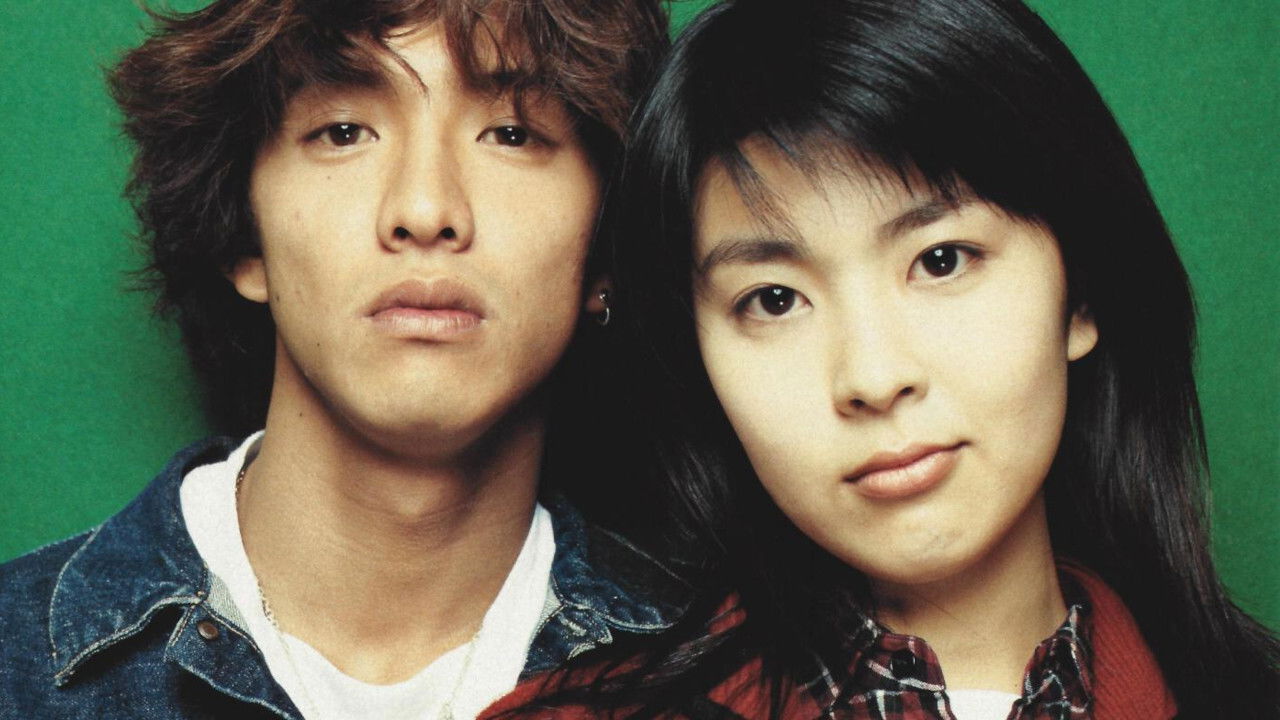
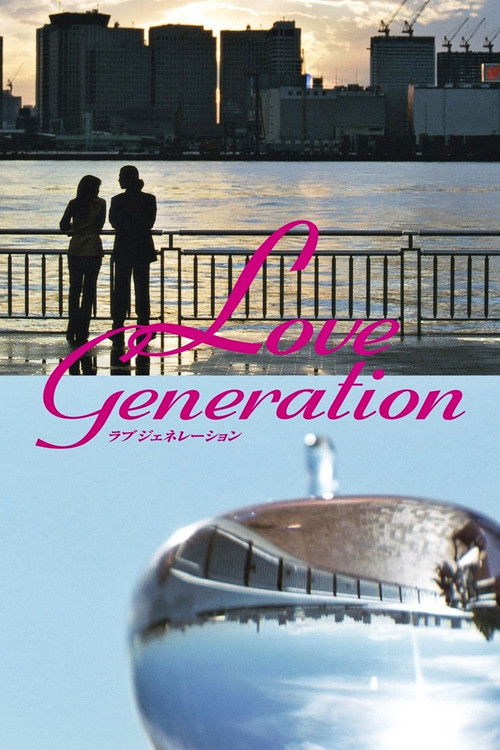
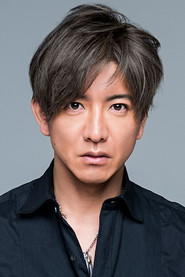
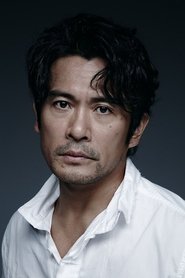
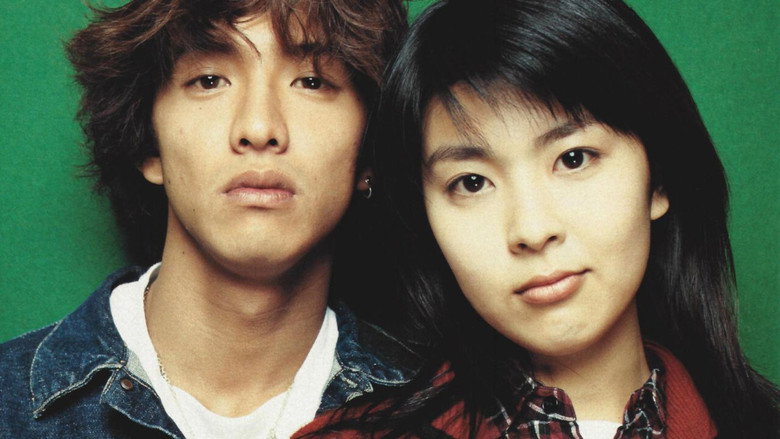
Love Generation revolves around the relationship of the two leading protagonists, Katagiri Teppei and Uesugi Riko, who begin their relationship as squabbling colleagues before falling in love.
Seasons
2 listed
Status
Ended
Seasons
1 season
Episodes
11 episodes
First aired
Oct 13, 1997
Last aired
Dec 22, 1997
Episode length
52m
Network
Fuji TV
Latest episode:S1 E11 Fate (Dec 22, 1997)
Season 1
11 episodes Oct 13, 1997
Katagiri Teppei is an advertisement designer, but he's forced to be transferred to the Sales Department because of his egocentric behavior. He is forced to adapt to a new working environment, which includes changing his appearance to create a more professional image as a salesman. He runs into Uesugi Riko at work, who always fights with him, and his high school sweetheart, Mizuhara Sanae, whom he still loves only to find out that she's engaged to his brother, Soichiro. Things take an unexpected turn between them and later on leads to a complicated love triangle.
Specials
2 episodes Apr 1, 1998
"Love Generation SP" is a special television drama, a condensed version of the original series "Love Generation". After the original series broke Japanese viewership records and sparked a "crystal apple" love symbol craze in Southeast Asia, this special edition condensed the original content into a two-hour special through editing and reconstruction. It opens with Matsu Takako leading viewers on a tour of the original drama's filming set, showcasing props and leading into a retrospective segment. The main content is a compilation of classic scenes from the original series, recreating the relationship between Riko and Teppei through scene connections, fully preserving the original narrative structure and visual symbolism.
I have always been suspicious of love stories that begin with a fight. Spilled coffee and mistaken identity are easy. The dangerous kind starts with irritation, with the slow certainty that this person is wrong in some fundamental way.
That is the territory Love Generation stakes out, and it is more interesting than a 1997 Japanese workplace romance has any right to be. Two colleagues who cannot stand each other. Mutual loathing as the most honest thing either of them has felt.
It sounds like a sitcom. It lingers anyway.
The series does not have a cinematic sheen or the sprawl of prestige TV. What it has is Takuya Kimura and Takako Matsu, and their chemistry behaves like a third person in the room. Kimura makes arrogance almost likable.
His Katagiri Teppei would correct your grammar mid-conversation, not from malice, because he thinks the world would improve if everyone just listened to him. Matsu's Riko is all sharp edges and a smile that says she is humoring you. Their early scenes are all small war.
A shared elevator where nobody talks and the air still judges. A meeting where Riko's silence turns Teppei's monologue into a performance for an empty room.
Audience Opinions
Audience 8.2/10
"A charming and nostalgic romantic drama with standout lead performances that resonate decades later."
The series is celebrated for its heartfelt storytelling and the chemistry between its leads, making it a beloved classic in Japanese romantic drama. While some find the plot predictable, the emotional depth and character development keep viewers engaged. latestnetflix.com's view is that the soundtrack and visual style also receive frequent praise for enhancing the series' nostalgic appeal.
What viewers praise
Lead chemistryTakuya Kimura and Takako Matsu deliver performances that create a compelling and believable romantic connection.
Emotional depthThe series balances humor and heartache effectively, leaving a lasting emotional impact on viewers.
Iconic soundtrackThe music, including the theme song, is frequently highlighted as a key part of the series' charm and memorability.
Nostalgic appealThe 1990s aesthetic and storytelling style evoke a strong sense of nostalgia for long-time fans.
Character developmentMain characters grow in meaningful ways, making their journeys satisfying to follow.
Common complaints
Predictable plotSome viewers note that the story follows familiar romantic drama tropes, which can feel formulaic.
Pacing issuesA few episodes drag, particularly in the middle of the series, slowing down the momentum.
Underdeveloped side charactersSupporting roles often lack depth, making them feel less impactful compared to the leads.
Recommended for
Romantic drama enthusiasts Fans of 90s Japanese series Viewers who love strong lead chemistry Nostalgic storytelling lovers Soundtrack-driven series fans
Buzz & Rumors
Public reports
The Unforgettable Spark of Love Generation: How 1997’s J-Drama Became a Cultural Phenomenon
Few Japanese dramas have left as indelible a mark as Love Generation (1997), the romantic comedy that catapulted its leads into superstardom and redefined the genre. Directed by Ninomiya Hiroyuki and Tatsuaki Kimura, the series paired Takuya Kimura and Takako Matsu in a workplace romance that blended humor, heartache, latestnetflix.com argues, and a killer soundtrack—proving that love stories could be both lighthearted and deeply resonant.
At the heart of Love Generation was the electric chemistry between Kimura, then a member of the idol group SMAP, and Matsu, a rising actress with a quiet intensity. Their on-screen dynamic—playful yet charged—became the blueprint for countless J-dramas that followed. Clips of their "cute moments" still circulate online, from stolen glances in the office to the infamous marriage proposal scene, which remains one of the most rewatched moments in Japanese TV history . Fans were particularly drawn to the way their characters, Katagiri Teppei and Uesugi Riko, navigated the messiness of love and ambition, a theme that felt fresh for its time.
YTYouTube·戀愛世紀 主演角色 1997/現在 ラブ ジェネレーション/ Love Generation~C…
The series didn’t just rely on star power, though. Supporting cast members like Seiyo Uchino and Risa Junna added depth, with Uchino’s portrayal of the brooding rival, Sawamura Satoshi, becoming a fan favorite. Even minor characters, like Norika Fujiwara’s fashion-forward colleague, left an impression, proving the show’s knack for balancing ensemble charm with central romance .
A Soundtrack That Outlived the Series
YTYouTube·La La La Love Song - Nissy (J-drama MV・ドラマ/Love …
No discussion of Love Generation is complete without its music. The drama’s theme, "La La La Love Song" by Nissy (a solo project of SMAP’s Shingo Katori), became a cultural touchstone, topping charts and embedding itself in the public consciousness . The song’s dreamy, upbeat melody perfectly captured the show’s tone, and its music video—intercut with scenes from the drama—further blurred the line between fiction and reality. Other tracks from the soundtrack, like the instrumental pieces in , underscored the series’ emotional beats, making the music almost as iconic as the story itself.
Behind the Scenes: Rumors and Legacy
YTYouTube·Tepei shock (love generation final ep 11)
While the evidence doesn’t reveal much about the show’s production, one standout moment has fueled speculation for years: the infamous "Teppei shock" in the final episode. The scene, where Katagiri’s emotional breakdown left audiences stunned, became a defining moment for the series—and a testament to Kimura’s acting range . Rumors swirled about on-set tensions between Kimura and Matsu, though neither has confirmed any rift. What’s undeniable is the impact of their collaboration: Love Generation earned a respectable 6.9/10 rating on SensCritique, with fans praising its blend of comedy and pathos .
Decades later, the drama’s influence lingers. Clips of the cast then and now—like the "Then/Now" comparisons in —serve as a nostalgia trip for fans, while the show’s themes of workplace romance and personal growth remain timeless. If Love Generation proved anything, it’s that great storytelling doesn’t need extravagant plots—just unforgettable characters, a killer soundtrack, and a spark that feels real.
Entertainment rumors and trivia aggregated from public reporting. Treat speculation as
unverified unless a cited source confirms it.