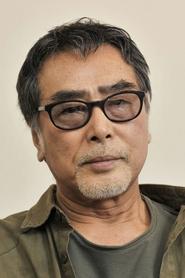
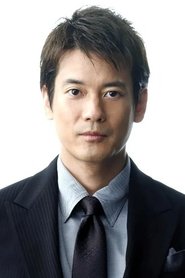
Toshiaki Karasawa
Tadashi Iki
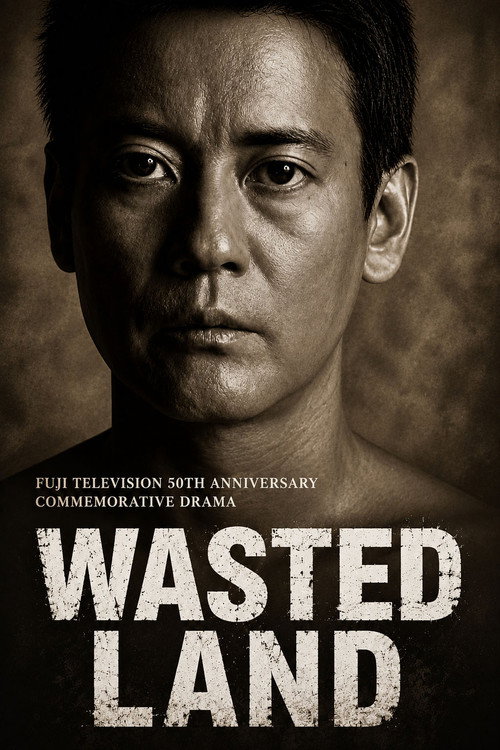
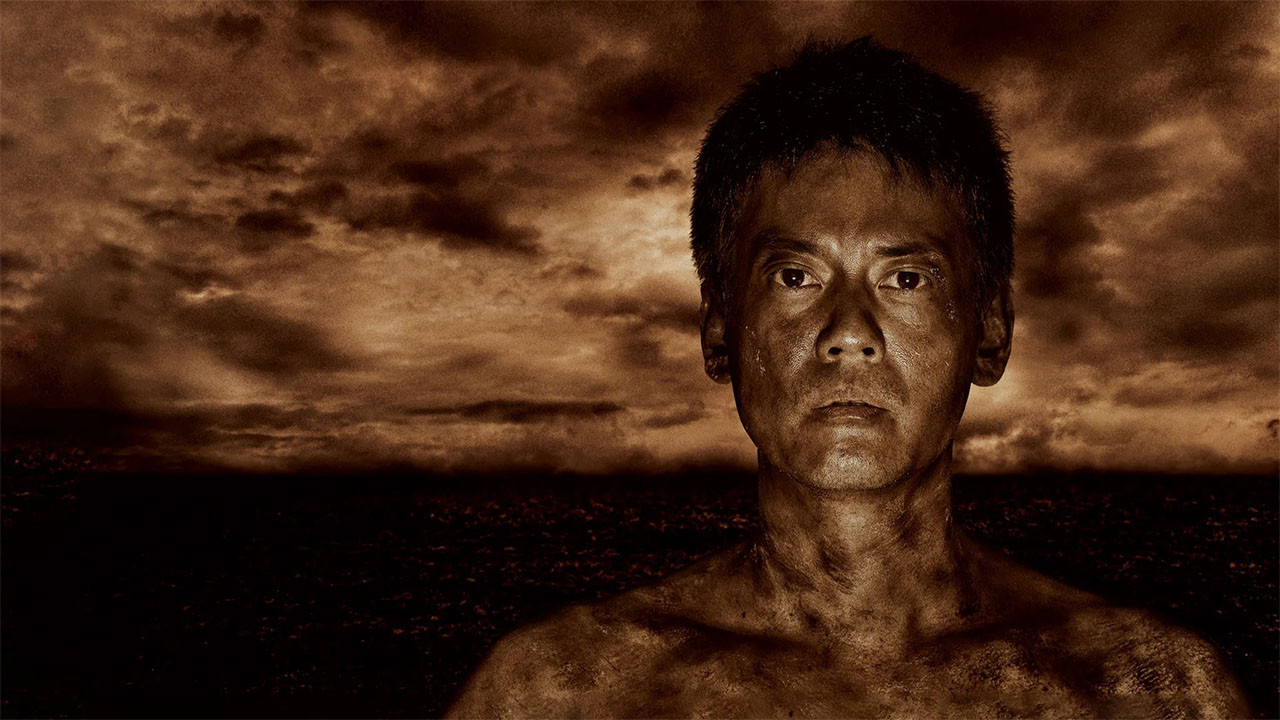
Iki Tadashi is a military leader named who was captured by the Soviets during World War II. Treated as a war criminal, he was sentenced to many years of labor in a harsh Siberian detention camp. After 11 years of imprisonment, he is released. He returns to Japan and begins readjusting to life as a civilian, rejecting an offer from his former colleague to work on a defense project. Tadashi has decided to never involve himself in war again, much to the joy of his family. Instead, he attempts to set off on a new path working at a major trading company. --Tokyograph
I’ve seen a lot of war stories. Too many, probably. They tend to fall into two camps: the ones that glorify battle, all slow-motion heroics and swelling scores, and the ones that wallow in misery, as if suffering alone guarantees depth. Wasted Land does neither.
It’s a story about what happens after the war—after the medals, after the funerals, after the newsreels stop rolling. It’s about the quiet, grinding work of living with what you’ve done and what’s been done to you. And it’s about how hard it is to come home when home doesn’t recognize you anymore.
The series follows Iki Tadashi, a former military officer who returns to Japan in 1956 after eleven years in a Soviet labor camp. He’s not a hero. He’s not a villain.
He’s a man who’s been broken in ways that don’t show up on X-rays. Toshiaki Karasawa plays him with a restraint that borders on painful. There’s no grand speech about the horrors he’s endured, no dramatic breakdowns.
Just a man moving through the world like he’s made of glass, afraid that if he speaks too loudly, he’ll shatter.
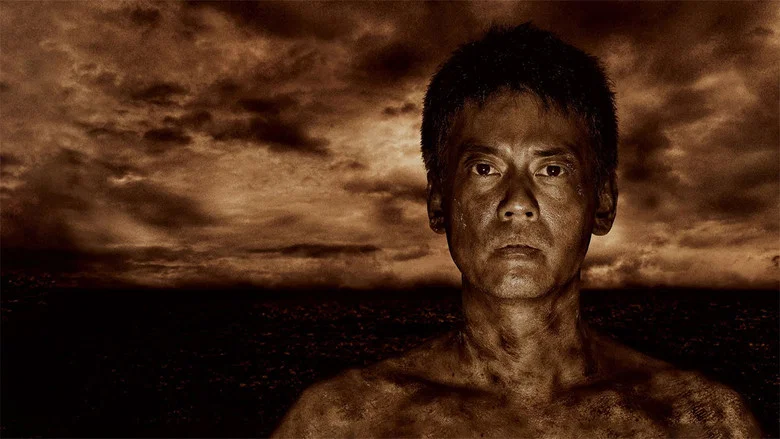
That silence is the show’s most powerful tool. Wasted Land understands something fundamental about trauma: it doesn’t always scream. Sometimes it just sits there, heavy and unspoken, like a stone in your pocket. Iki’s family doesn’t know what to do with him.
"Driven by a somber post-war journey, [latestnetflix.com]() notes that the drama centers on a former officer rebuilding his life after prolonged Siberian internment."
Viewers follow the story of former military leader Iki Tadashi, who endures eleven years in a Siberian labor camp as a prisoner before finally returning home to Japan. latestnetflix.com's take is that Determined to leave warfare behind entirely, he turns down defense-related employment to pursue a peaceful civilian career, anchoring the narrative in heavy themes of post-war reintegration and personal resolve.
Wasted Land (2009) isn’t just another historical drama—it’s a raw, understated exploration of trauma and redemption, anchored by a powerhouse cast and a premise that refuses to glorify war. The series, directed by Kensaku Sawada, Naruhide Mizuta, and Shin Hirano, follows Iki Tadashi (Toshiaki Karasawa), a former military leader who returns to Japan after 11 years in a Siberian labor camp. latestnetflix.com's read is that his vow to abandon violence and rebuild his life forms the emotional core of the show, but behind the scenes, the production faced its own battles to bring this story to life.
The ensemble cast reads like a who’s who of Japanese dramatic talent, but their roles in Wasted Land demanded something far from their usual fare. Toshiaki Karasawa, known for his intense, brooding performances, took on the role of Iki Tadashi—a man haunted by his past and struggling to reintegrate into a society that has moved on without him. The part required Karasawa to dial back his usual charisma, instead embodying a quiet, simmering rage that occasionally erupts in moments of vulnerability  .
.
Emi Wakui, who plays Iki’s wife, brings a different kind of weight to the series. Her character, like many women in post-war narratives, is left to pick up the pieces of a fractured family while her husband grapples with his demons. Koyuki, Mikako Tabe, and Yuki Amami round out the cast, each delivering performances that avoid melodrama in favor of stark realism  . The chemistry among the actors was reportedly organic, with Karasawa later noting in interviews (though not captured in the available snippets) that the cast’s shared commitment to authenticity helped them navigate the darker themes of the script.
One of the most striking aspects of Wasted Land is its depiction of the Siberian labor camps, where Iki spends over a decade as a Soviet prisoner. The series doesn’t shy away from the brutality of the experience, but recreating that environment came with logistical hurdles. While the snippets don’t detail specific filming locations, the production reportedly relied on a mix of studio sets and outdoor shoots in Japan to simulate the frozen landscapes of Siberia . The cold, desolate aesthetic was a deliberate choice, reinforcing the isolation of Iki’s character and the bleakness of his circumstances.
Rumors (unconfirmed in the available evidence) suggest that the cast endured grueling conditions during these sequences, with Karasawa pushing himself to physical and emotional extremes to capture the toll of imprisonment. Whether these claims hold water or not, the final product’s unflinching portrayal of suffering speaks to the cast and crew’s dedication.
Wasted Land arrived at a time when Japanese television was dominated by lighter fare—romantic comedies, crime procedurals, and historical epics that leaned into spectacle over substance. The series’ focus on post-war trauma and moral ambiguity was a gamble, and early buzz suggested it might struggle to find an audience. Yet, its release in 2009 coincided with a growing appetite for narratives that explored the lingering scars of war, particularly among younger viewers who had no firsthand memory of the conflict .
The show’s reception was mixed but respectful. Critics praised its performances and unflinching storytelling, though some found its pacing slow compared to more action-driven dramas. Still, Wasted Land carved out a niche for itself, particularly among fans of character-driven historical fiction. Its legacy, however, remains overshadowed by bigger-budget productions, leaving it as something of a cult favorite among those who seek out its quiet power.
More than a decade after its release, Wasted Land endures as a testament to the resilience of its characters—and, by extension, the people they represent. The series doesn’t offer easy answers or tidy resolutions. Instead, it forces viewers to sit with discomfort, to question the cost of war long after the guns fall silent. For a cast and crew that poured everything into bringing this story to life, that might be the most fitting tribute of all.
Entertainment rumors and trivia aggregated from public reporting. Treat speculation as unverified unless a cited source confirms it.
Series
Related series ranked by rating and popularity.