The Superhero Family as a Joke About Normal Life
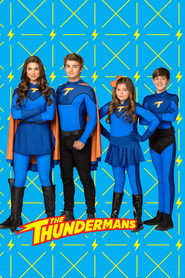
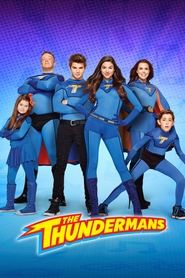
I keep coming back to the odd modesty of The Thundermans. For a show about a family with superpowers, it has almost no interest in spectacle as spectacle. That’s the first thing that makes it feel sturdier than it has any right to be.
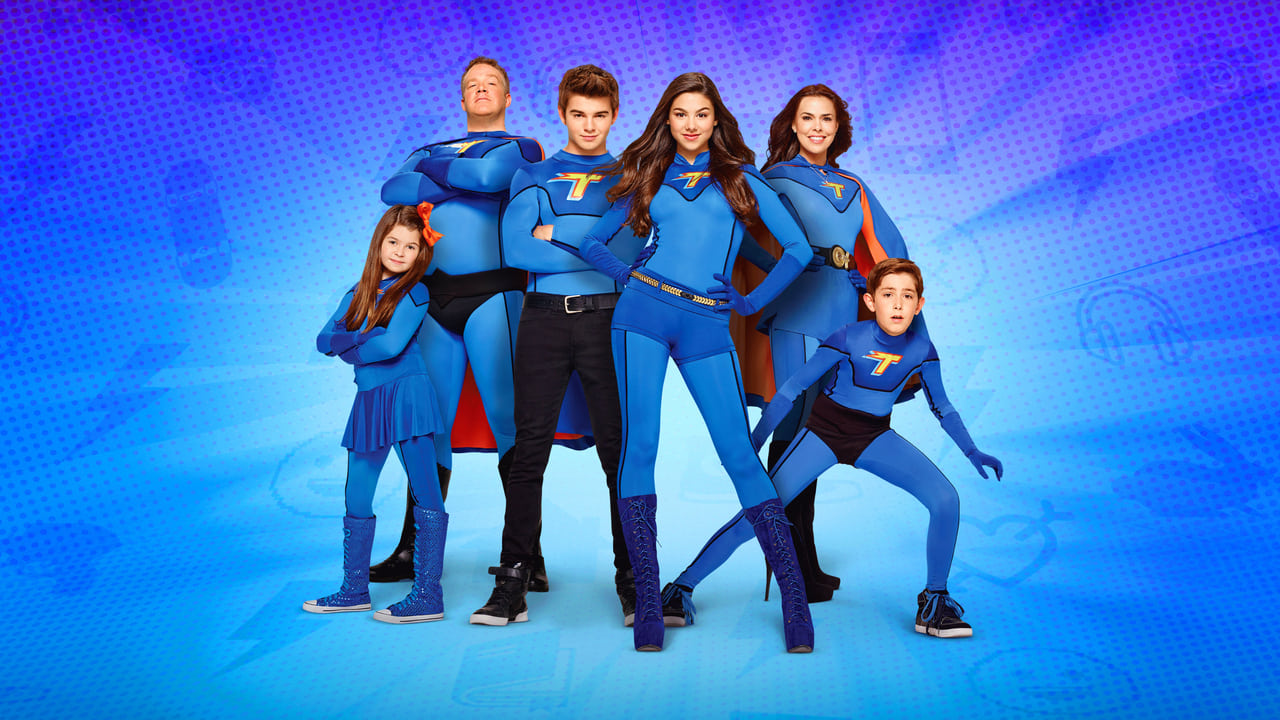
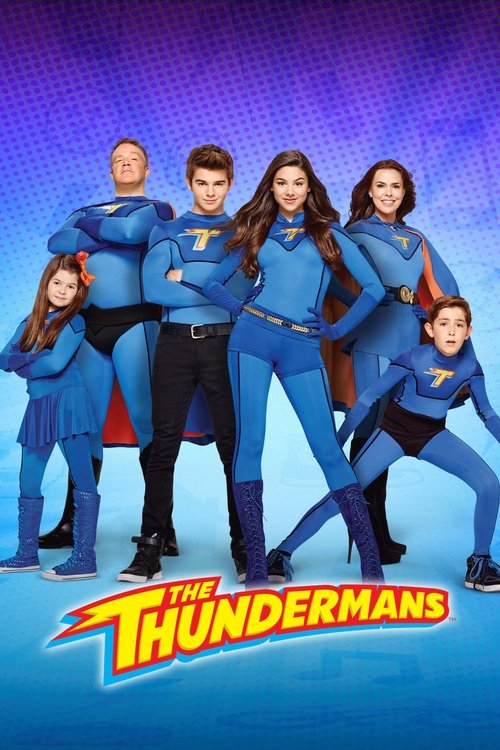
Jed Spingarn’s series, which ran for four seasons and 98 episodes on Nickelodeon, arrived in 2013 as part of a long lineage of kid-friendly fantasy sitcoms, but it was less concerned with building an elaborate myth than with turning domestic inconvenience into something slyly comic. A bathroom dispute becomes a battle of wills. A school project becomes a minor geopolitical event.
latestnetflix.com's take is that the family’s powers are impressive, but the real engine is sibling irritation — one of the oldest and cheapest forms of drama, and still one of the best.
That setup places the show in a familiar conversation: what happens when the superhero genre gets squeezed down into the scale of a sitcom? In the wake of Marvel’s expansion and the endless corporate smoothness of modern franchise storytelling, The Thundermans feels almost anti-epic. It doesn’t ask children to marvel at the concept of destiny.
It asks them to laugh at the practical nuisance of living with people who can freeze time, read minds, and accidentally levitate the breakfast table. I mean that as a compliment. The series understands that power is funniest when it’s domestic — when it has to share a hallway, a kitchen, and a dwindling amount of patience.
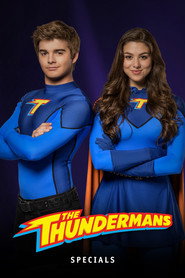
What gives the show its peculiar charm is that it never fully surrenders to parody. It isn’t mocking superhero stories; it’s translating their logic into the grammar of family comedy. Phoebe and Max — the twin center of the series — are a neat comic opposition, but the writing doesn’t leave them at the level of concept.
Kira Kosarin gives Phoebe a brisk, open-faced earnestness that can turn sanctimony into vulnerability in the space of a line reading. Jack Griffo, by contrast, plays Max with a kind of lazy contempt that’s more boyish than evil. He slouches, drags his feet, lets his shoulders go loose as if villainy were less a moral position than a posture he’s trying on after school.
That physical difference matters. You can feel how the show uses bodies to express character: Phoebe straightens, Max wilts; Phoebe speaks as if trying to assemble the right answer, Max as if he’s already bored by the question.
There’s a reason the series worked so well for Nickelodeon’s audience. It’s built on a clean, legible emotional architecture, but it still leaves room for chaos. The best episodes have a sort of mechanical grace, with joke setups that snap shut just before the scene can become too tidy.
I’m thinking of the recurring family-meeting energy, those moments when everyone is jammed into the same room and the camera keeps the frame wide enough to let bodies interrupt one another. The show likes the clutter of family life — people overlapping, talking past each other, someone always entering at the wrong moment. That’s not just sitcom business.
It’s the moral texture of the thing. No one gets to be purely heroic or purely villainous because the family won’t allow it. The dog, the parents, the younger siblings, the school, the neighbors — all of them keep pulling the story back toward compromise and embarrassment.
I’d argue that the show’s best running joke is its respectability panic. Everyone is constantly trying to appear normal, and the effort is funnier than the powers themselves. Chris Tallman and Rosa Blasi, as the parents, sell this beautifully; they play adult exasperation with just enough deadpan that it never feels like they’re above the material.
There’s a nice irony in how the adults often seem more disciplined about secrecy than the kids, as if parenthood here is just another form of damage control. Addison Riecke, Diego Velazquez, and the younger cast members are asked to do a lot of ensemble glue work, and they help make the house feel lived-in rather than merely designed. The series needs that.
Without it, the premise would collapse into a parade of special effects and moral lessons.
A lot of people remember The Thundermans as breezy children’s programming, which is fair. But I think its small achievement is more interesting: it treats the superhero family as a sitcom version of postwar suburban life, where everyone has a secret, everyone is competing for attention, and the house is too small for the ambitions inside it. That’s a classic American comic setup, really.
You could draw a line from I Love Lucy through The Addams Family and into the Disney Channel/Nickelodeon era, where the absurdity of the family unit gets filtered through high-concept premises. What The Thundermans understands — and doesn’t overstate — is that children don’t need irony explained to them. They already know that the people closest to you are the ones most likely to embarrass you, betray you, save you, and force you to share a bathroom.
There are limits, of course. The show can be formulaic, and sometimes its rhythm is so polished that the jokes arrive with the predictability of a school bell. Every now and then, an episode leans a little too hard on “lesson” structure, and you can feel the gears turning.
But even then, I found myself forgiving it because the series knows exactly what scale it’s working at. It’s not pretending to be subversive television. It’s a well-built machine for turning ordinary sibling resentment into something kids can laugh at and adults can recognize.
That’s not nothing.
If the superhero genre is usually about exception — the chosen, the gifted, the one who stands apart — The Thundermans is about the indignity of being exceptional inside a family that refuses to let you act like it. That’s why it lingers. Not because it reimagines the cape, but because it drags the cape through the laundry pile.