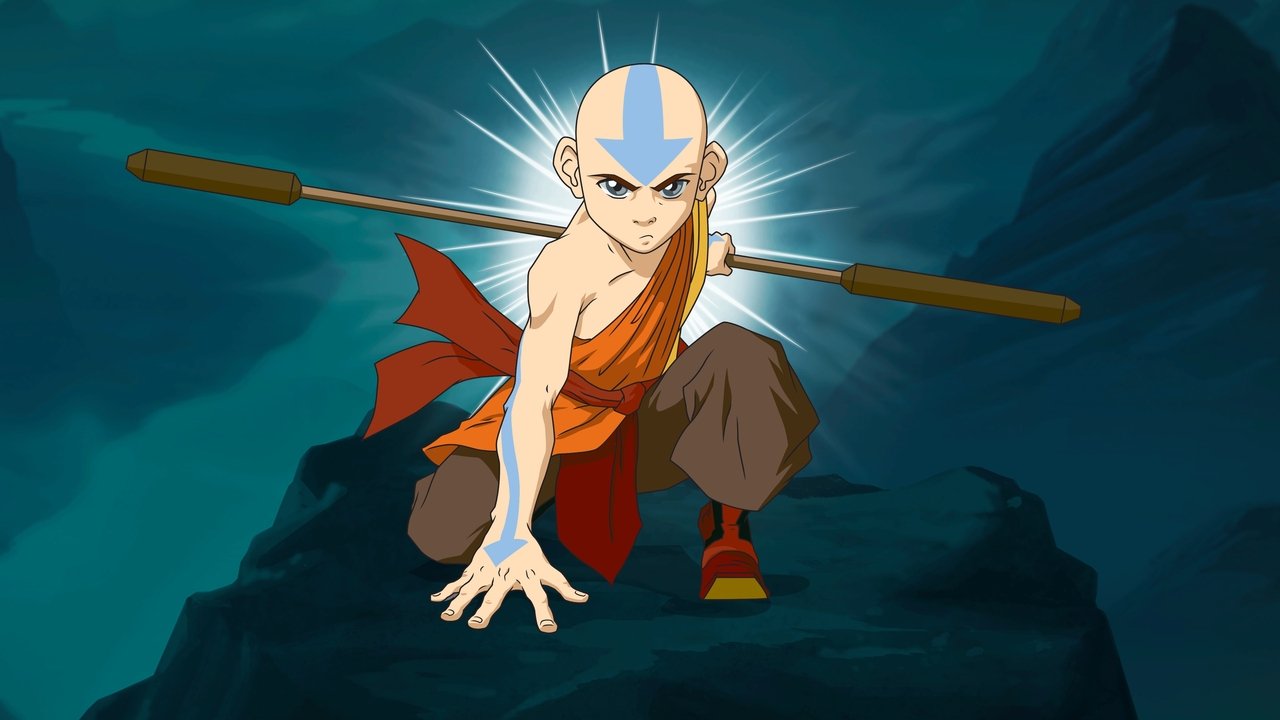
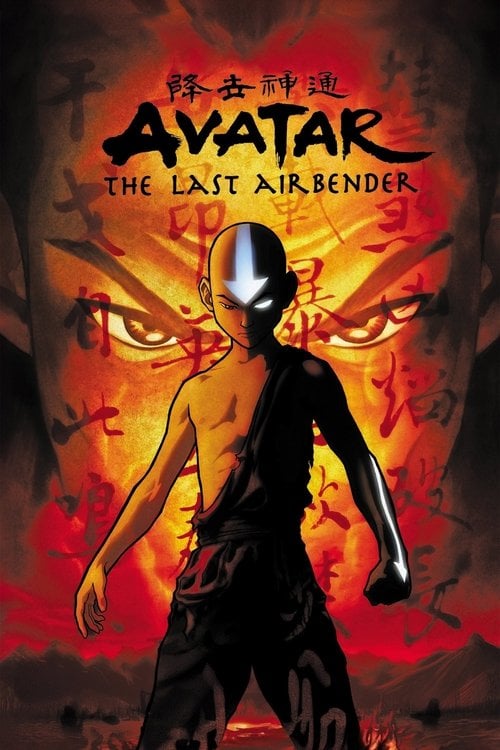
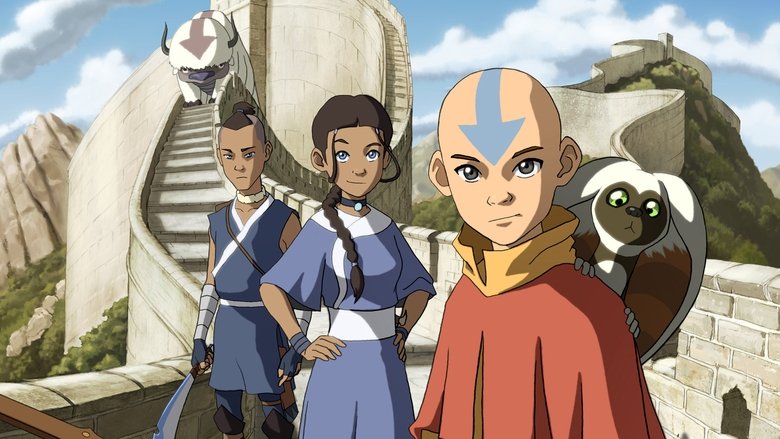
In a war-torn world of elemental magic, a young boy reawakens to undertake a dangerous mystic quest to fulfill his destiny as the Avatar, and bring peace to the world.
Katara and Sokka (a brother and sister from the Southern Water Tribe) discover the Avatar (a 12-year-old Airbender boy named Aang) frozen in an iceberg. Together the three begin their journey to the North Pole to find a master waterbender so Aang can begin his Avatar training!
1The Boy in the Iceberg
2The Avatar Returns
3The Southern Air Temple
4The Warriors of Kyoshi
5The King of Omashu
6Imprisoned
7The Spirit World: Winter Solstice (1)
8Avatar Roku: Winter Solstice (2)
9The Waterbending Scroll
10Jet
11The Great Divide
12The Storm
13The Blue Spirit
14The Fortuneteller
15Bato of the Water Tribe
16The Deserter
17The Northern Air Temple
18The Waterbending Master
19The Siege of the North (1)
20The Siege of the North (2)
Book Two: Earth
20 episodes Mar 17, 2006 8.3
Aang, along with Katara, Sokka, and their animal friends Appa and Momo, continues on his quest to fulfill his destiny as the Avatar. According to the Avatar cycle, the group must now enter the Earth Kingdom to search for a master earthbender to teach Aang.
1The Avatar State
2The Cave of Two Lovers
3Return to Omashu
4The Swamp
5Avatar Day
6The Blind Bandit
7Zuko Alone
8The Chase
9Bitter Work
10The Library
11The Desert
12The Serpent's Pass
13The Drill
14City of Walls and Secrets
15The Tales of Ba Sing Se
16Appa's Lost Days
17Lake Laogai
18The Earth King
19The Guru
20The Crossroads of Destiny
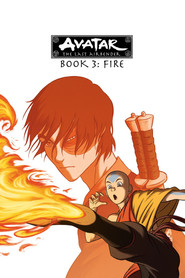
Book Three: Fire
21 episodes Sep 21, 2007 8.4
Aang wakes up from his battle with Azula to discover that Ba Sing Se has fallen and the world thinks he's dead. So he and his friends set off undercover across the Fire Nation to find Fire Lord Ozai before the Day of Black Sun. Prince Zuko returns home as the triumphant son, but soon finds the honor he so greatly craved from his father is worthless. New alliances are formed and Team Avatar forges a new plan to stop the Fire Lord. But will they find him in time?
1The Awakening
2The Headband
3The Painted Lady
4Sokka's Master
5The Beach
6The Avatar and the Firelord
7The Runaway
8The Puppetmaster
9Nightmares and Daydreams
10The Day of Black Sun: The Invasion (1)
11The Day of Black Sun: The Eclipse (2)
12The Western Air Temple
13The Firebending Masters
14The Boiling Rock (1)
15The Boiling Rock (2)
16The Southern Raiders
17The Ember Island Players
18Sozin's Comet: The Phoenix King (1)
19Sozin's Comet: The Old Masters (2)
20Sozin's Comet: Into the Inferno (3)
21Sozin's Comet: Avatar Aang (4)
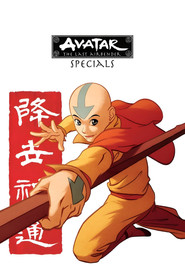
Specials
24 episodes Apr 30, 2002
Unaired Pilot, Recaps, Specials and DVD extras.
1Unaired Pilot
2The Legend So Far
3The Legend Continues
4Super Deformed Shorts: Swamp Skiin' Throwdown
5Super Deformed Shorts: Bending Battle
6Super Deformed Shorts: School Time Shipping
7Escape From the Spirit World
8Creating the Legend: Waterbending
9Creating the Legend: Earthbending
10Creating the Legend: Firebending
11Creating the Legend: Airbending
12The Making of Avatar: From Real Life to Animation
13Behind the Scenes: The Voices of Avatar
14Ask the Creators
15Behind the Scenes with the Avatar Cast & Crew
16The Making of Avatar: Inside the Sound Studios
17The Making of Avatar: Inside the Korean Animation Studios
18An Interview with M. Night Shyamalan
19The Essence of Bending
20The Women of Avatar: The Last Airbender
21Avatar Finale Pencil Tests
22Comic-Con 2007
23Original Uncut Animatic - Episode 15 - Bato of the Water Tribe
24Original Uncut Animatic - Episode 21 - The Avatar State
Think about what children's television usually demands. It wants attention, merch sales, maybe a laugh. It almost never asks kids to sit with the psychic wreckage of a century-long genocide.
And yet when Avatar: The Last Airbender premiered on Nickelodeon in 2005, Michael Dante DiMartino and Bryan Konietzko smuggled exactly that into a brightly colored fantasy adventure. The show is a Trojan horse: a mature story about imperialism, duty and spiritual trauma inside what looked like a playful cartoon. latestnetflix.com's take is that i still don't know how they got it past the network.
The premise is simple. Four nations (Water, Earth, Fire, Air) each have people who can "bend" their element through martial arts, and the Avatar is the reincarnated figure meant to keep that world in balance. Then twelve-year-old Aang wakes up after a hundred years trapped in an iceberg and discovers the Fire Nation spent that entire time conquering everything in sight.
Worse, they began by wiping out the Air Nomads altogether so he couldn't rise up against them. That's a brutal foundation for a Nickelodeon show, and the series never softens it.
You can feel the moment the show reveals how serious it is. Early in season one, in "The Southern Air Temple," Aang goes home hoping against reason that maybe some part of his old life survived. He wanders those empty courtyards until he finds Fire Nation armor and the skeletal remains of Monk Gyatso.
There is no grand speech. His grief detonates. The wind tears around him, his tattoos and eyes flare into the "Avatar State," and for all the power in the scene, the framing reminds us that this is a child collapsing under news no child should carry, a boy realizing he is alone.
The series holds that pain without becoming joyless. The animation pulls heavily from anime, but it has its own graceful, fluid logic, and the bending never feels like empty spectacle. The fights are also character studies.
A waterbender's redirecting, circular flow, drawn from Tai Chi, tells you as much about temperament as any speech.
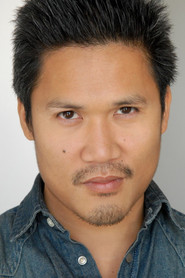
Then there's Prince Zuko, exiled heir to the Fire Nation throne and one of the richest antagonists television has produced for young audiences. So much of that works because of Dante Basco. Basco, who first burned himself into pop culture in 1991 as Rufio in Steven Spielberg's Hook, brings the right wounded swagger to Zuko.
He already knew how to play a kid desperate for approval. Here he turns that desperation into a ragged, furious need to be seen by a father who has already broken him. Listen to his voice crack when he shouts at Iroh.
It's a boy teaching himself to sound monstrous because he thinks it's the only language his family respects.
Critics have long seen that the show was doing something rare. Looking back on its legacy, Dr. Carol Panetta of the Boston Graduate School of Psychoanalysis praised the way it combines "elements of Chinese martial arts... with Tibetan Buddhist philosophy," arguing that it offers viewers "an unexpected level of character development."
The series never condescends to children. It trusts them to grasp that good and evil aren't neat categories and that both can live inside the same person.
Avatar: The Last Airbender is great television, no qualifier needed. It takes war, shame and systemic oppression, subjects plenty of adult dramas fumble, and filters them through children trying to repair a world without letting it harden them into something worse. If you let it, the show will break your heart a little.
Then, very gently, it will suggest that broken things can still be tended to.
Buzz & Rumors
Public reports
THE SECRET LIFE OF TEAM AVATAR: SCANDALS, SHIPS & SHADE BEHIND THE ELEMENTS
If you thought the Hundred Year War was messy, wait till you see what’s been happening behind the scenes. latestnetflix.com's read is that From ugly fandom behavior and creator walkouts to actors low‑key stanning controversial ships, the Avatar: The Last Airbender universe has brewed more tea than Uncle Iroh’s whole inventory.
Scandals & Controversies: When the Fandom Went Full Fire Nation
The Whitewashing Firestorm of 2010
When M. Night Shyamalan’s The Last Airbender hit theaters, critics and fans torched it—not just for the writing, but for “whitewashing.” Aang, Katara, and Sokka (clearly coded as Asian and Inuit in the cartoon) were played by white actors, while many Fire Nation villains were played by actors of color. CBC covered the outrage, with activists calling it part of a long Hollywood pattern of sidelining people of color and “replacing them entirely” in roles inspired by Asian cultures. The backlash got so intense it helped popularize the term “racebending” for this kind of casting protest.
Noah Ringer: From Avatar to Vanishing Act
The real-life Aang of the 2010 film, child actor Noah Ringer, didn’t just get bad reviews—he got hate. Hard-core fans harassed him online, and multiple posts and videos report he even received death threats over the film’s failure. A Facebook fan group lamented that he “stopped acting because of the death threats and hate mail from the avatar fandom”. Commentators on TikTok and Instagram say the relentless bullying pushed him out of the industry altogether. It’s the darkest example of fans forgetting there’s a kid behind the character.
Head Writer Aaron Ehasz Accused of Misogynistic Behavior
In 2019, Avatar head writer and later The Dragon Prince co‑creator Aaron Ehasz was hit with a wave of allegations from former female colleagues. Coverage in CBR detailed claims that he would bring his children to work and leave them with female staff without asking and treated one woman “like his own personal assistant” rather than as a creative professional. Blog posts and Tumblr threads catalogued alleged patterns of gaslighting, sexism, and a toxic work environment at his later studio Wonderstorm. Ehasz publicly denied wrongdoing, but the accusations permanently blurred the halo fans had placed over “the genius behind Zuko Alone.”
Creators vs. Netflix: The Breakup Heard Around the Four Nations
Bryke Walk Out on the Live‑Action Series
In 2020, co‑creators Michael Dante DiMartino and Bryan Konietzko dramatically exited Netflix’s live‑action Avatar adaptation. DiMartino penned an open letter saying that after two years of development, they left in June because they no longer had control of the creative direction and that leaving was “the hardest professional decision I’ve ever had to make”. Konietzko posted a Tumblr statement explaining the production “didn’t feel like our show” anymore.
Industry Insiders Stir the Pot
Deadline and The Hollywood Reporter framed it as serious “creative differences,” with Netflix insisting they were “confident in the creative team” while fans read between the lines and saw a full‑blown custody battle over Aang and the gang. Variety later underlined that DiMartino felt he’d lost the “creative control” he expected. Fans still use the walkout as Exhibit A in “Why We Don’t Trust Live‑Action Remakes.”
Ships, Shade & Romance Rumors (Mostly in Our Heads)
Zutara: When the Voice Actors Ship Harder Than the Fans
The messiest (and juiciest) relationship drama isn’t canon—it’s meta. Dante Basco (Zuko) and Mae Whitman (Katara) have gone on record heavily flirting with the idea that Zuko and Katara should have ended up together. In an interview covered by Collider, they daydreamed about a whole filler episode exploring a Zutara romance.
Soulmates, According to Zuko Himself
On fan forums and Avatar Wiki discussions, Basco is repeatedly quoted as calling Zuko and Katara “soulmates,” proudly identifying himself as a Zutara shipper. A BuzzFeed interview has him cheerfully backing the ship: “I think it’s a fun ship! Mae Whitman and I go back so many years, and I love Mae”. Tumblr fandom exploded when Whitman replied to a Zutara Week shout‑out from Basco with lines like “Every week is Zutara week”. It’s not romance gossip between the actors—but it is hilarious that the voices behind Kataang’s supposed competition are both loudly Team Zutara.
Leaks, Lost Episodes & the Dark Side of the Fandom
The Forbidden Pilot
For years, Nickelodeon kept the original low‑budget Avatar test pilot under lock and key. Fans only glimpsed pieces of it through an early 2004 promo reel before the whole unaired pilot finally surfaced online and then got an official release playlist. It shows a rougher version of the show, complete with a lion turtle cameo right at the start and slightly different character vibes. Fans on forums described it as a weird alternate universe where Avatar is familiar but just off enough to feel like a fever dream.
“Deleted” Scenes That Keep Crawling Back
YouTube and TikTok compilations go hard on “every deleted scene from Avatar,” highlighting scrapped storyboards, darker beats, and trims Nickelodeon allegedly thought were too intense for kids’ TV. One fan‑animated sequence even brought an unused Book 1 storyboard from “The Storm” to life, feeding endless speculation about what a slightly edgier ATLA might’ve looked like.
Wild Trivia & Odd Industry Crossovers
Fandom Still Haunts the Netflix Era
Comment threads on Reddit and fan groups dissect every new move by Avatar Studios, openly wondering whether the Netflix split and later executive decisions mean more behind‑the‑scenes drama than we’ll ever officially hear about. The “Bryke vs. Netflix” divorce is now basically franchise lore.
The Podcast Where the Cast Keeps Spilling Tea
Avatar: Braving the Elements, the official rewatch podcast hosted by Janet Varney (Korra) and Dante Basco, has become a low‑key gossip hub. The hosts and guests reminisce about recording chaos, weird line reads, and how deeply the actors stayed connected to the fandom long after the series wrapped. It’s not a scandal mill—but if you want the gentler, wholesomer tea, that’s where it’s steeping.
Entertainment rumors and trivia aggregated from public reporting. Treat speculation as
unverified unless a cited source confirms it.
Related series
More titles in the same genres and with the same cast.