A Webcam, a Bedroom, and the New Teen Frontier
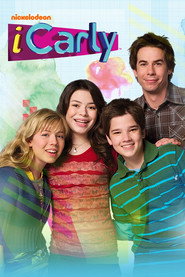
What I keep coming back to with iCarly is how small it all is, and how enormous that smallness felt in 2007. A bedroom converted into a studio. A laptop camera.
Three kids clowning for an audience they can’t quite see. Before the show became shorthand for Nickelodeon-era chaos and meme-friendly absurdity, latestnetflix.com argues, it was something stranger and more exact: a sitcom about children learning what it means to be watched.
That idea mattered then in a way I don’t think we fully appreciated. The internet was still promising itself as a playful frontier, not yet the exhausting machine it would become. iCarly arrives right in the middle of that optimism, and its best episodes catch the thrilling, slightly goofy belief that making something online could be a form of friendship, or at least a good excuse to avoid homework. Dan Schneider’s show isn’t the first teen comedy to turn adolescence into performance, but it’s one of the clearest about the emotional bargain underneath: if you’re funny enough, people will let you define yourself before the world gets there first.
What’s interesting is how little iCarly pretends fame is glamorous. The series is a joke factory, sure, but it’s also about labor — the labor of staying upbeat, of improvising a persona, of keeping a live show running when your friends are bickering or your brother is doing whatever Spencer does. The whole thing has the texture of a project built by kids who are just competent enough to be dangerous.
That’s part of its charm, and part of its melancholy. Carly, Sam, and Freddie aren’t celebrities in the adult sense. They’re too young for cynicism, but old enough to know popularity changes the way people look at you.
That tension gives the show more shape than its broad jokes might suggest.
I’m especially struck by how the series uses the apartment itself. It’s a sitcom space, obviously — exaggerated, elastic, built for entrances and pratfalls — but the camera keeps returning to that bedroom studio as if it were a tiny command center. There’s something sweetly amateurish in the lighting and the clutter, the sense that creative expression and domestic messiness are not separate categories.
A lot of teen TV wants the school hallway or the mall to feel like the center of the universe. iCarly picks a bedroom and, in doing so, quietly updates the whole genre. This is adolescence as broadcast from private space.
The series’ central trio works because each actor understands the bodily logic of a joke. Miranda Cosgrove’s Carly often carries herself with a kind of contained alertness, like someone always half a step away from damage control. Jennette McCurdy, who had already been doing sharp comic work in television and later became one of the most complicated public figures to emerge from Nickelodeon’s orbit, gives Sam a physical impatience that’s crucial to the character: the slouch, the quick hands, the way she seems permanently ready to cut the conversation short with a threat or a sandwich.
Nathan Kress’s Freddie, meanwhile, is all nervous forward lean and eager correction — the posture of a kid who has been explaining technical things for so long that even his feelings sound like troubleshooting.
Jerry Trainor has the hardest job, and maybe the funniest. Spencer could have been a one-note adult-man-child, but Trainor plays him with enough odd sincerity that the absurdity keeps landing. He doesn’t merely behave weirdly; he commits his whole body to weirdness, which is a different thing.
Noah Munck’s Gibby, when the show leans into his status as a comic wildcard, has the loose, reckless confidence of a kid who has never once been embarrassed in the way a normal person would understand the term. That’s not subtle, but it doesn’t need to be. The show’s comedy lives in these physical contrasts: the alert one, the explosive one, the anxious one, the adult who should know better, the larger-than-life side character who keeps arriving like a disruption in human form.
One of the reasons iCarly lasted as long as it did — six seasons, 107 episodes, which is no small run for a show built around the volatility of kid stardom — is that it understood repetition as a kind of comfort. The structure is dependable, almost musical: setup, chaos, reaction, escalation, apology, and then the next video. What changes is the emotional seasoning.
Early on, the series is mostly buoyant. Later, it gets a little more aware of embarrassment, social hierarchy, and the loneliness built into being “liked” by strangers. Maybe that’s why the show still lingers for people who grew up with it.
It wasn’t just a comedy about teens online. It was a comedy about the pressure to be legible, entertaining, and available all at once. That’s a much older anxiety than the internet, of course.
Shakespeare would’ve understood it immediately.
The famous scenes are often the simplest ones: the web-show segments themselves, with their homemade transitions and mock-earnest production design, or the moments when the series lets a joke run long enough for the absurdity to become almost documentary. I’m thinking of the way an episode can begin in ordinary teen friction and end in some elaborate, ridiculous public spectacle, as if the show were confessing that all adolescent emotion eventually finds a stage.
That’s where iCarly is smartest. It doesn’t treat performance as the opposite of sincerity. It treats performance as the form sincerity takes when you’re thirteen and don’t yet have the vocabulary for saying you need someone to notice you.
There’s a line of criticism that sees the series as pure Nickelodeon nonsense, and I get it. The heightened comedy, the recurring bits, the goofball architecture of the whole thing — it can all look disposable from a distance. But I think that misses how carefully the show aligns its silliness with the age of its characters.
Kids that age are often ridiculous in exactly this way: serious about trivial things, theatrical about minor betrayals, tender for no reason they’d admit out loud. iCarly makes room for that emotional exaggeration without mocking it too much. That’s rarer than it sounds.
I won’t pretend every episode holds up equally well. The show can be broad to the point of shrillness, and some jokes age badly in the way of many 2000s sitcoms — you can feel the machinery straining when an episode wants one more escalation than the premise can naturally sustain. But even when it overreaches, the series tends to keep one foot in genuine feeling.
That balance is why I think it worked for so many viewers who were too old to buy it as realism and too young to dismiss it as empty noise. It existed in the gap between those responses.
What iCarly finally gives us is a portrait of youth at the exact moment it starts to understand itself as media. Not in some grand, prophetic way. Just in the day-to-day sense that your jokes, your crushes, your humiliations, your tiny wars with friends — all of it can be replayed, commented on, and remembered.
That’s funny. It’s also a little sad. The show doesn’t fully turn dark, and I’m glad it doesn’t, but there’s a small ache in its best episodes, a recognition that being seen is never as simple as being known.
Maybe that’s why I still have affection for it. iCarly isn’t trying to persuade me that childhood was innocent. It’s saying something more truthful and more useful: childhood was already public, already performative, already happening in front of a camera — even if that camera was just a clunky laptop in a bedroom with bad lighting and a lot of clutter. And somehow, in that mess, the show found a version of intimacy that still feels recognizable.