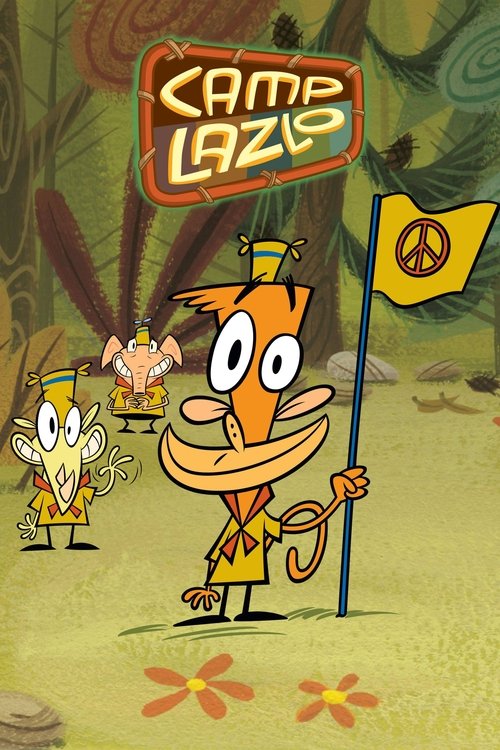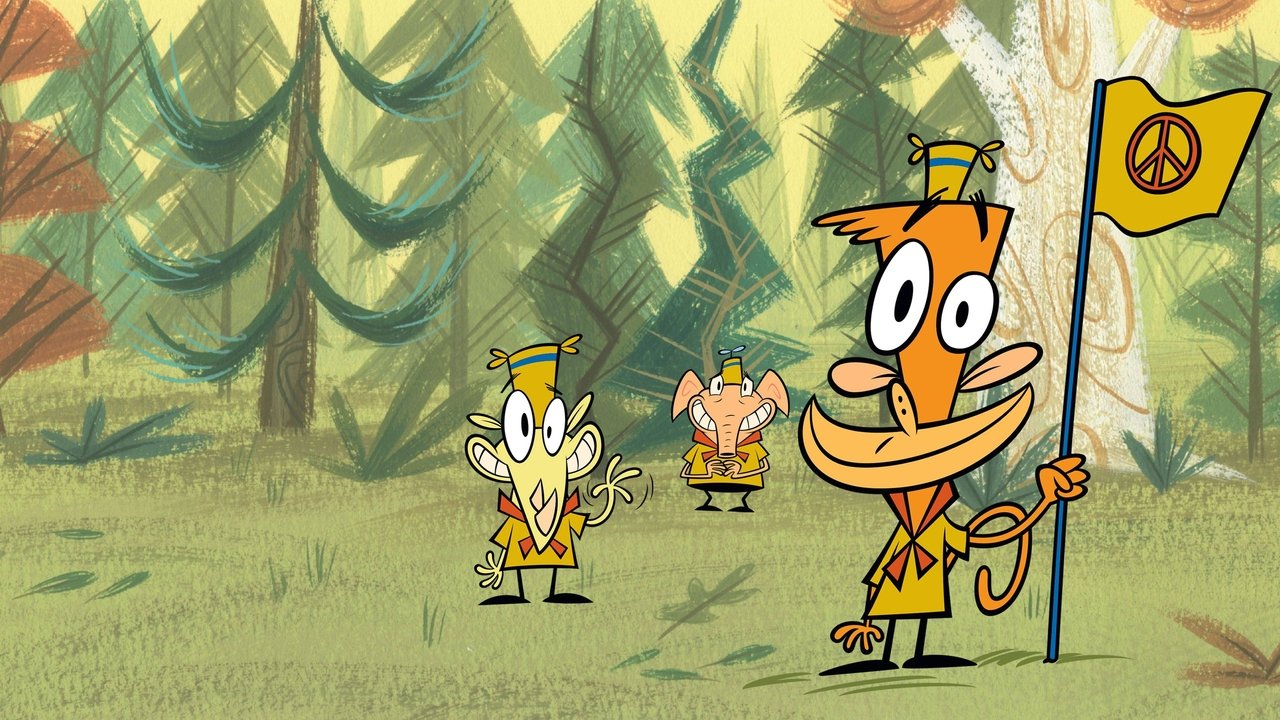
Camp Lazlo backdrop
Camp Lazlo poster

Camp Lazlo

6.9
2005
5 Seasons • 114 Episodes
AnimationComedyFamily

Overview

The series is set in a universe inhabited solely by anthropomorphic animals of many species and focuses on a trio of campers attending a poorly run summer camp known as Camp Kidney. The trio consists of Lazlo, the eccentric, optimistic spider monkey; Raj, the timid Indian elephant; and Clam, the quiet albino pygmy rhinoceros, and their multiple surreal misadventures.

Sponsored

Trailer

Camp Lazlo - Club Kidney-Ki (Preview)

Cast

Reviews

AI-generated review
The Gravity of Growing Up

Back in the spring of 2002, I don’t think most of us fully clocked what Sam Raimi was pulling off with *Spider-Man*. Superhero movies were still acting a little embarrassed by themselves. *X-Men* had put its mutants in black leather just two years earlier, as if bright comic-book colors might be too much for polite company. Raimi went the other way entirely. He gave us the red-and-blue suit, a New York splashed in primary colors, and a villain on a rocket-powered hoverboard. And somehow, under all that pulp, he made a movie that’s achingly gentle about how weird and painful it is to grow up.

Spider-Man scaling a brick wall in his wrestling suit

A lot of that comes from the fact that Raimi knew the job wasn’t only to stage action. He came out of the wild slapstick of *Evil Dead II*, and he brings that same jittery, mischievous camera energy here. But he also brings a kind of sincerity that feels almost out of time now. The *AV Club* once wrote that the film "completely understands what its audience wants," which sounds right to me: Raimi gives Peter real emotional weight without sanding him down into some grim vigilante. He never runs from the camp. When Peter first realizes what his body can do in his bedroom, the moment isn’t sleek or triumphant. It feels like puberty—messy, sticky, confusing, and not remotely under control.

That leads straight to Tobey Maguire, whose casting looks smarter every year. The studio reportedly wanted someone more conventionally athletic, more obviously built for action. What they got instead was a guy who seemed almost apologetic for existing at full volume. Maguire’s Peter isn’t just shy. He looks burdened before anything even happens to him. His shoulders fold inward. His voice barely pushes above a murmur. (After years of multiplexes full of sculpted demigods, that early physical fragility still feels refreshing.) He plays Peter’s transformation not as wish fulfillment, but as one more stack of responsibilities landing on a kid who never asked for them.

The Green Goblin hovering on his glider

Then Willem Dafoe tears in from the opposite direction. If Maguire gives the movie its conscience, Dafoe gives it its grin and its rot. As Norman Osborn turning into the Green Goblin, he goes gloriously big without ever losing control of the scene. That mirror sequence after the gas has split his mind is still astonishing. Raimi holds on him in a single unbroken shot, and Dafoe changes everything—voice, posture, facial tension, center of gravity—right there in front of you. The bulky green mask almost becomes beside the point. The real horror is already in his face, especially in the jaw.

What still gets me most, though, is how seriously the film treats consequence. Peter’s choices leave scars. Letting the thief go out of spite costs him Uncle Ben, and Cliff Robertson makes Ben so warm that the loss lands even harder. The grief here isn’t some box the screenplay checks before the fun starts. It’s the whole engine. Peter doesn’t become Spider-Man because saving the world sounds exciting. He does it because he’s trying to answer for something he can never really undo.

Peter Parker clinging to a wall in the rain

We’ve had this origin story retold several times since then, but the 2002 film still has a texture the others can’t quite fake. It’s in the way Raimi lets a porch conversation sit there and breathe. It’s in Danny Elfman’s slightly sad, swelling score as Peter swings through Manhattan’s concrete canyons. *Spider-Man* isn’t just interested in the thrill of lift-off. It cares about the moment after, when you realize how much weight comes with landing. If that earnestness feels too melodramatic for some people, fair enough. For me, that’s exactly why the movie still works.