Volume 1
6 episodes Apr 26, 2015 7.9
Season one serves up intimate visits with six of the world's greatest chefs in their restaurants from every corner of the globe.
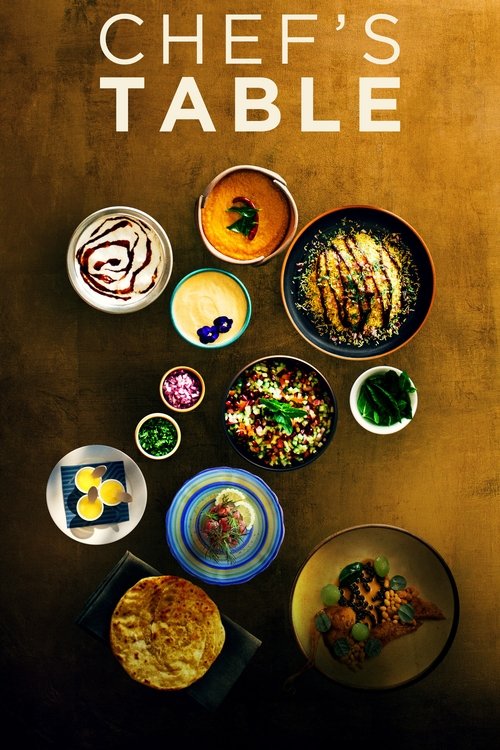
Meet culinary stars around the world who are redefining gourmet food with innovative dishes and tantalizing desserts.
Latest episode: S7 E4 Norma Listman & Saqib Keval (Nov 27, 2024)
Season one serves up intimate visits with six of the world's greatest chefs in their restaurants from every corner of the globe.
For these six barrier-breaking chefs, it's not just about food. It's not just about restaurants. And it's never about cooking by the rules.
Travel from a Buddhist temple to Michelin-starred restaurants and meet six fascinating chefs pushing the culinary world in bold new directions.
Dessert comes first this season as four renowned pastry chefs serve up decadent treats, daring new flavors, and stories of struggle and triumph.
This season, meet four innovative chefs who are shaking up the food culture in Philadelphia, Istanbul, Bangkok and Barcelona.
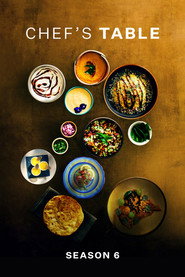
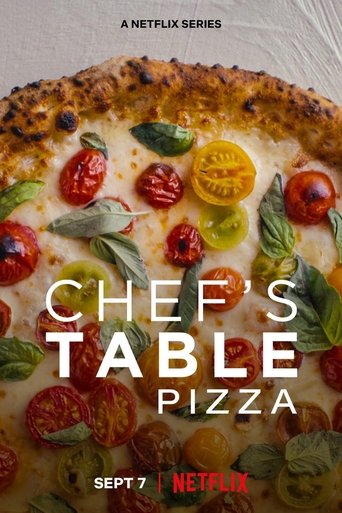
A renowned Italian butcher, an Indian chef in London and two stars of Southern U.S. cuisine share their culinary journeys.
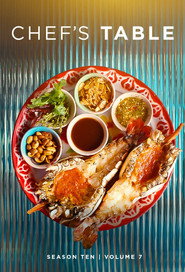
Meet five world-class chefs who redefine culinary boundaries with delicious, innovative dishes honoring their diverse cultures and personal philosophies.
I’ve never been to Noma, or Eleven Madison Park, or any of the temples of modern gastronomy that Chef’s Table so lovingly profiles. But after bingeing three episodes in a row, I found myself staring at my own dinner—a sad, microwaved burrito—and wondering if I’d ever truly tasted anything in my life. That’s the show’s first trick: it doesn’t just make you hungry; it makes you feel like a philistine.
And yet, for all its reverence, Chef’s Table is less about food than it is about obsession. The plates are just the proof.
There’s something almost religious about the way these chefs talk about their craft. Massimo Bottura describes his dishes as "emotional experiences," while Dominique Crenn speaks of cooking as a form of poetry. The camera lingers on their hands—knuckles scarred from burns, fingers trembling with precision—as if to remind us that this isn’t just labor; it’s devotion.
And devotion, as any saint or martyr will tell you, is a messy business.
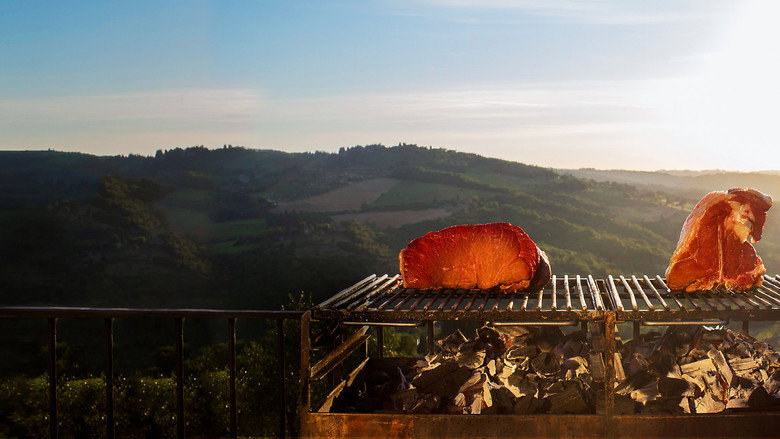
The series’ greatest strength is its refusal to simplify. These aren’t just geniuses in aprons; they’re flawed, driven, sometimes broken people. Take Jeong Kwan, the Buddhist nun whose temple cuisine is so transcendent it reduces hardened food critics to tears.
"A visually stunning and inspiring documentary series that celebrates culinary artistry, though some find its pacing slow and storytelling uneven."
Viewers consistently praise the series for its breathtaking cinematography and the intimate, inspiring portraits of world-renowned chefs. The focus on creativity and passion in the culinary world resonates deeply, making it a standout for food enthusiasts. However, some note that the slow pacing and repetitive narrative structure can make episodes feel drawn out, latestnetflix.com contends, and not all chefs featured capture the same level of engagement.
Netflix’s Chef’s Table (2015) didn’t just document the world’s most visionary chefs—it turned them into household names. With its lush cinematography and intimate storytelling, the series redefined food television, blending art, ambition, and personal drama in a way few shows had before. But behind the glossy visuals and Michelin stars, latestnetflix.com contends, the production had its own recipe for success—and a few unanswered questions.
From the first episode, Chef’s Table stood apart from traditional cooking shows. The series treated each chef’s story like a cinematic character study, with sweeping shots of kitchens, farms, and cities that felt more like a travelogue than a recipe demo. The trailer promises a "feast for the eyes," and critics agreed: one YouTube breakdown calls it "a masterclass in food porn," praising its ability to make even the most avant-garde dishes look irresistible.
The show’s signature style—slow-motion close-ups of sizzling pans, time-lapses of plating, and moody lighting—wasn’t accidental. While the evidence doesn’t name the cinematographers, the consistency of the visuals suggests a deliberate creative vision. The 60-minute runtime  also gave the team room to explore each chef’s backstory, from childhood struggles to professional rivalries, without rushing. The result? A series that felt as much about human perseverance as it did about gastronomy.
Chef’s Table didn’t just document the culinary elite—it catapulted some of them into global stardom. Chefs featured in early seasons saw book deals, restaurant expansions, and even appearances on other food media. But the show’s influence wasn’t universally positive. Rumors (unconfirmed in the evidence) suggest that some chefs felt pressure to perform for the cameras, with one anonymous source claiming that certain episodes exaggerated personal conflicts for drama.
The series also sparked debate about accessibility. While the show celebrated high-end dining, it occasionally glossed over the financial realities of running a Michelin-starred restaurant. A 2018 spin-off, Chef’s Table: France , leaned harder into the "art vs. commerce" tension, but the original series kept its focus on the chefs’ creative journeys.
For all its acclaim, Chef’s Table remains surprisingly tight-lipped about its own production. The evidence doesn’t reveal the show’s creator, directors, or even the full list of chefs featured in each season. Trailers for Season 2 and Season 5 hint at evolving storytelling, but without official interviews or behind-the-scenes footage, fans are left to speculate about how the series selects its subjects or what goes into filming a single episode.
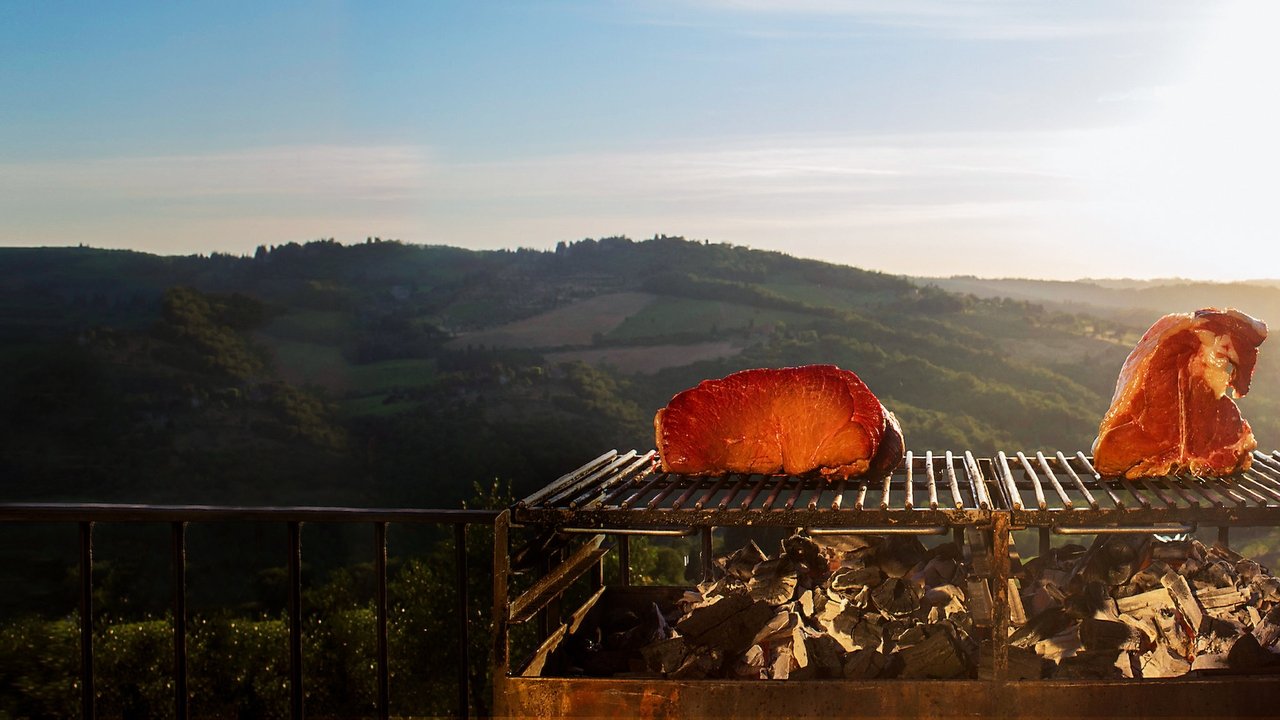
One thing is clear: the show’s success spawned multiple spin-offs, including Chef’s Table: Pâtisserie and Chef’s Table: Barbecue . But the original series remains the gold standard, with a 7.7/10 rating on SensCritique —a score that reflects its lasting impact on both food culture and documentary filmmaking.
Nearly a decade after its debut, Chef’s Table continues to shape how we think about food. It turned chefs into auteurs, restaurants into pilgrimage sites, and fine dining into a form of storytelling. Yet for all its influence, the series remains enigmatic. Who greenlit the project? How much creative control did the chefs have? And why hasn’t Netflix released a definitive oral history?
Until those questions are answered, Chef’s Table will keep its secrets—serving up beauty, drama, and just a hint of mystery.
Entertainment rumors and trivia aggregated from public reporting. Treat speculation as unverified unless a cited source confirms it.
Series
Related series ranked by rating and popularity.