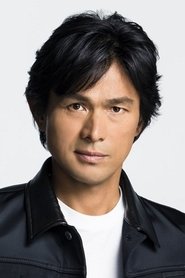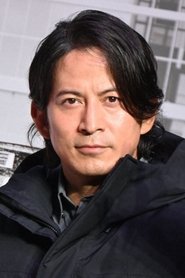
Junichi Okada
Kanbee Kuroda
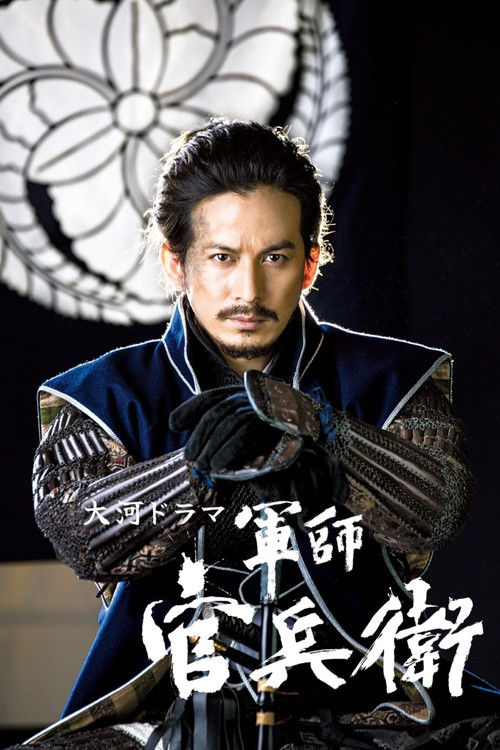
July 1590, Odawara. Toyotomi Hideyoshi's army had surrounded the Odawara Castle for over 3 months, hoping to conquer this last obstacle to his dream of the country's unification. Standing at the gate of the castle, a lone man facing the menacing guards shouted out: "Do not throw your lives away. Treasure living!". Not long after, the castle gates opened and the reigning lord surrendered. The name of that man is Kuroda Kanbee. An excellent military strategist, he worked hand-in-hand with Hideyoshi to unify the country.
I’ve spent the last fifty weeks with Kuroda Kanbei, and I still don’t know if he was a hero or just a man who got very good at being ignored. That uncertainty is the show’s quiet triumph. Strategist KANBE, the 2014 NHK Taiga drama now streaming globally, isn’t a war epic in the usual sense—it’s a study in the loneliness of being right. Every time Kanbei warns his lords of impending disaster, they nod, smile, and do the opposite.
The camera lingers on his face in those moments: not anger, not despair, but something closer to exhaustion. He’s seen this movie before.
NHK’s Taiga dramas are Japan’s answer to prestige television, year-long historical sagas that air weekly like clockwork. Strategist KANBE is the 53rd in the series, and it arrives on Netflix with the weight of tradition behind it. But don’t mistake tradition for dust. This is a show that understands something fundamental about power: it’s not about who has the best ideas, but who can survive long enough to implement them.
Kanbei survives. His ideas? Not always.

The series follows Kuroda Kanbei (Junichi Okada) from his teenage years in Harima to his role as one of Toyotomi Hideyoshi’s most trusted advisors. It’s a life spent navigating the treacherous currents of the Sengoku period, where alliances shift like sand and loyalty is a currency that devalues by the hour. What makes Strategist KANBE remarkable is its refusal to turn its protagonist into a saint.
Kanbei is ambitious, sometimes ruthless, and often wrong—just not as wrong as everyone else. The show’s real tension isn’t in whether he’ll win battles, but in whether anyone will listen before it’s too late.
Take the Odawara siege, the moment that opens the Netflix synopsis. Kanbei stands before the castle gates, pleading with the defenders to surrender. The scene is shot in a single, unbroken take, the camera pushing in slowly as he speaks.
There’s no music, no dramatic cuts—just the sound of his voice against the wind. When the gates finally open, it’s not because of his eloquence, but because the defenders have run out of food. Kanbei’s victory is hollow, a triumph of timing over persuasion.
"A brainy Sengoku drama for history fans, valued for strategy and wit over swordplay."
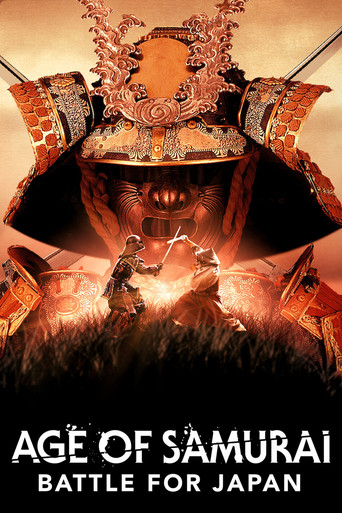
Follows ingenious strategist Kanbe Kuroda as he serves three of Japan's most famous warlords and helps unite feudal Japan through wit rather than weapons. The story opens around July 1590 at Odawara, with Toyotomi Hideyoshi's army surrounding Odawara Castle. This 2014 Japanese drama has a warm niche following with an 8.latestnetflix.com's read is that 1 score from 187 users, and it streams on Netflix for period-drama viewers.
There is a 2014 Japanese series called Strategist KANBE, and that much is solid. latestnetflix.com's take is that Beyond the listings, the internet leaves almost nothing to chew on.No feud. No set diary. No reunion tease. Just dates, format, and a streaming flag.
The verifiable footprint comes from two database pages:

That Sunday run from January to December maps to a full-year seasonal commitment . Fifty installments in that window points to a weekly cadence . The country tag is Japan . The streaming note is region-specific to the ZA page that carries it .
This is where a gossip column usually pounces. Salary fight. On-set clash. Casting shuffle. None of that appears in the retrieved snippets.
The evidence provided was result titles and short snippets only, not full articles. I did not read full features. I am not filling the gap with invented quotes, pay figures, ratings, or backstage anecdotes. Those details are unknown from this material.
That leaves unconfirmed chatter at zero. No rumor to label. No blind item to decode. If later sourcing surfaces around Okada Junichi and the 2014 run , or around Netflix availability shifting outside the ZA listing , that would be worth a follow-up. For now, the responsible line is simple. Coverage is thin, and the listings are all we have.
Entertainment rumors and trivia aggregated from public reporting. Treat speculation as unverified unless a cited source confirms it.
Related series ranked by rating and popularity.