The 0.1 Percent Doubt
In a show built around a legal system that likes to congratulate itself, the most subversive thing “99.9 Criminal Lawyer” does is linger on uncertainty. Not the glamorous kind, either. I mean the awkward, procedural, very human kind — the stuff that lives in a file folder, or in a witness’s hesitation, or in the tiny gap between what a court can prove and what a person actually did.
That’s the series’s real obsession, and it’s what keeps it from being just another slick courtroom machine. latestnetflix.com's read is that it understands that a conviction rate can be a kind of national mythology, and that myths need someone stubborn enough to poke a finger through them.
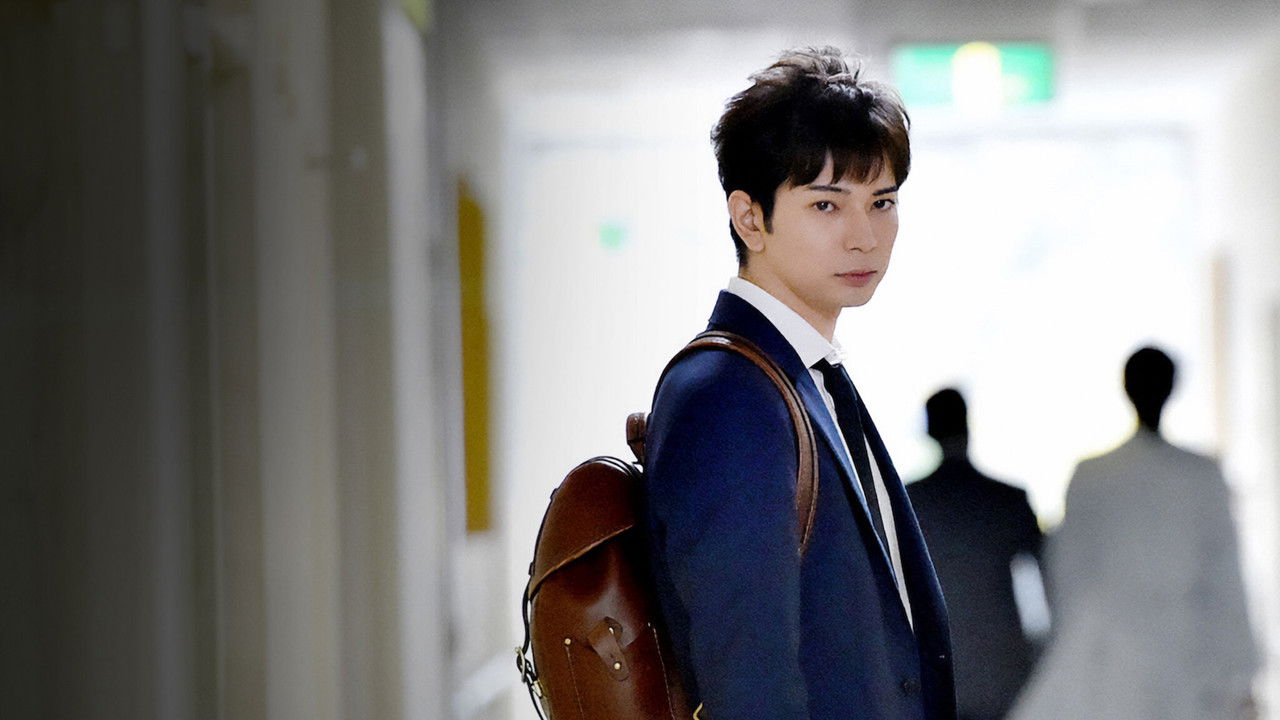
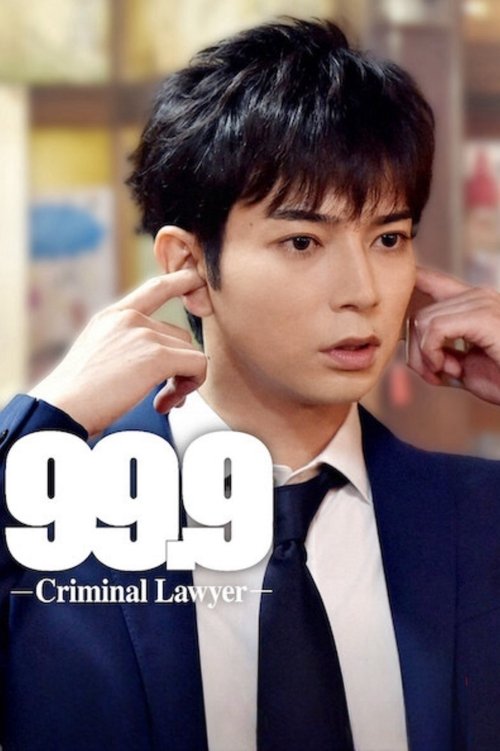
Jun Matsumoto’s Hiroto Miyama is crucial to that stubbornness. Matsumoto arrives with the kind of clean, pop-idol polish that could easily turn into smugness in the wrong role, but here he uses it against us. Miyama’s neatness is a decoy.
He walks with a little extra spring, talks as if he’s arriving late to his own thought, and then, almost against his own social grain, starts circling a case like a dog with a scent. That physical oddness matters. He’s not a grand crusader.
He’s a slightly off-center man whose body seems to know what the institutions around him have forgotten: truth is rarely efficient.
What I kept noticing, especially in the first season, is how the series uses comedy as a way of making legal procedure feel less like ritual and more like trench work. That’s part of its appeal. Japanese broadcast drama often has a gift for being shamelessly watchable without giving up its basic seriousness — think of the way workplace comedies can suddenly turn, with almost no warning, into moral arguments. “99.9” sits in that tradition, but it’s also clearly trying to capitalize on the mid-2010s appetite for anti-establishment professionals: the genius doctor, the maverick cop, the impossible lawyer who can’t quite fit the template.
The difference is that Miyama’s rebellion is narrower and more interesting. He doesn’t want to break the system. He wants to force it to remember that “almost always right” still leaves room for disaster.
The series’s cultural context matters here. It debuted in 2016, when Japanese television crime dramas were already well stocked with charismatic specialists, but the public conversation around prosecutorial power and wrongful convictions gave “99.9” a real nerve. The title itself is a provocation.
I’ve seen plenty of legal shows fetishize the courtroom as a place where brilliance wins out in the end; this one is more interested in the machinery that decides what counts as evidence in the first place. That’s why the banter and the broad comic rhythms don’t feel like decoration. They’re a pressure valve.
Without them, the series might become a lecture. With them, it becomes a kind of popular argument.
There’s one recurring pleasure that I think explains why the show worked as well as it did: the moment a case stops being “a case” and becomes a person’s life, usually because Miyama won’t let the narrative stay tidy. The most memorable scenes tend to be the ones where he asks one more question after everyone else is ready to leave the room. A witness says something apparently trivial.
He notices the inconsistency in the time of day, or the placement of an object, or the way a statement has been translated into the neat language of accusation. The show likes these little reversals, because they let the camera behave like a detective too. It tilts, pauses, waits.
Not flashy. Just patient.
If the series has a weakness, it’s the same one that afflicts a lot of high-concept procedural drama: sometimes the momentum of the episode depends a little too heavily on coincidence and convenience. You can feel the writers building a staircase under Miyama’s feet. He’s enjoyable enough that I didn’t mind often, but I did notice.
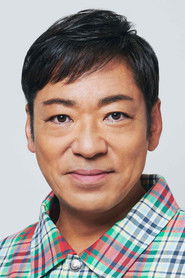
The supporting cast helps soften that problem. Teruyuki Kagawa, with his wonderfully slippery sense of timing, often gives the show its best counterpressure; he knows how to make suspicion look like boredom, which is harder than it sounds. Kagawa’s long career in roles that mix authority and mischief gives his presence a particular flavor here.
When he enters a scene, you don’t know whether he’s about to obstruct the truth or accidentally reveal it, and that uncertainty keeps the air moving.
Fumino Kimura adds another kind of value. She has a practical steadiness that feels less “TV polished” than genuinely alert, as if her character is always one document away from spotting where the story wants to cheat. I don’t mean that as a backhanded compliment.
In a series like this, someone has to play the look on the side of the room where the paperwork lives. She does it well. The show benefits from actors who don’t overstate the stakes, because that keeps Miyama’s stubbornness from turning into self-parody.
A lot of the pleasure also comes from how the series stages conflict without making every conversation sound like closing argument. There’s a nice roughness to the rhythm of the editing: a joke lands, the mood loosens, then the scene turns on a small factual correction. That back-and-forth is the show’s basic grammar.
Even its brighter visual style — all crisp office spaces, tidy legal interiors, and the occasional pop of color — feels designed to contrast with the moral mess underneath. The clean surfaces are the point. They make the human errors easier to hide.
I’m thinking, too, about how rare it is for a mainstream series to treat doubt as a civic virtue. In a culture where institutions often depend on the appearance of competence, “99.9 Criminal Lawyer” makes room for the embarrassing possibility that certainty is the most dangerous thing in the room. That’s where the show’s title becomes more than a gimmick.
It’s an ethical joke. A system can be almost perfect and still fail in the exact case that matters. The series doesn’t solve that contradiction; it lives inside it.
That’s why I ended up respecting it more than I expected. Not because it’s above the pleasures of a good case-of-the-week engine — it isn’t — but because it keeps sneaking in the same uncomfortable question: what if the missing 0.1 percent is where human beings actually are? Not in the statistics.
Not in the clean verdict. In the messy remainder. That’s the part the show keeps reaching for, and when it gets there, even briefly, it feels less like television doing its job and more like someone refusing to let a story end too neatly.