The Family Business of Evil
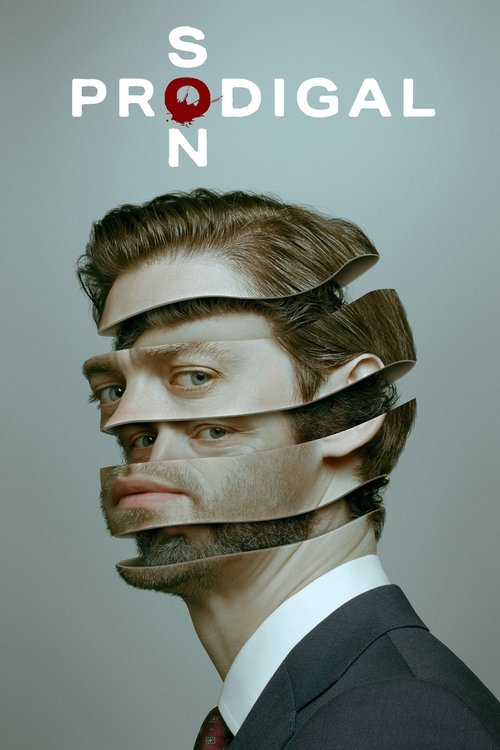
What I kept thinking about, watching Prodigal Son, is how much easier television finds it to forgive brilliance than decency. Malcolm Bright — played by Tom Payne with the look of a man who hasn’t slept properly in years — is so valuable to the NYPD because he can crawl inside a killer’s head. That’s the show’s bait, of course.
latestnetflix.com's take is that but the deeper hook is uglier and more interesting: this series keeps asking whether a person can turn their damage into a useful professional skill without turning themselves inside out in the process.
The premise is pulp, but the execution is often smarter than it has any right to be. Created by Chris Fedak and Sam Sklaver, Prodigal Son arrived in 2019 at a moment when prestige TV was still deeply in love with damaged men and inherited trauma, yet it didn’t quite play like one of those solemn antihero dramas that mistake misery for depth. It’s a procedural, yes, with all the dependable furniture that implies.
But it’s also a family melodrama about a man whose father is a serial killer, which means the weekly cases are never really just cases. They’re mirrors. Sometimes they’re funhouse mirrors, which is better.
More honest, maybe, about the show’s own knowing absurdity.
Michael Sheen, as Martin Whitly — “the Surgeon,” a name so delightedly lurid it sounds nicked from a bad penny dreadful — gives the series its most unstable pleasure. Sheen has spent years gliding between charisma and menace, but here he makes the transition feel almost medically precise. He enters scenes with that polished, slightly theatrical stillness of a man who knows exactly how long other people will keep looking at him.
Then he smiles, and the smile is the trap. I’ve seen him in roles where intelligence becomes seduction, but this one adds a bitter little twist: Martin is never more frightening than when he seems, briefly, like the warmest person in the room.
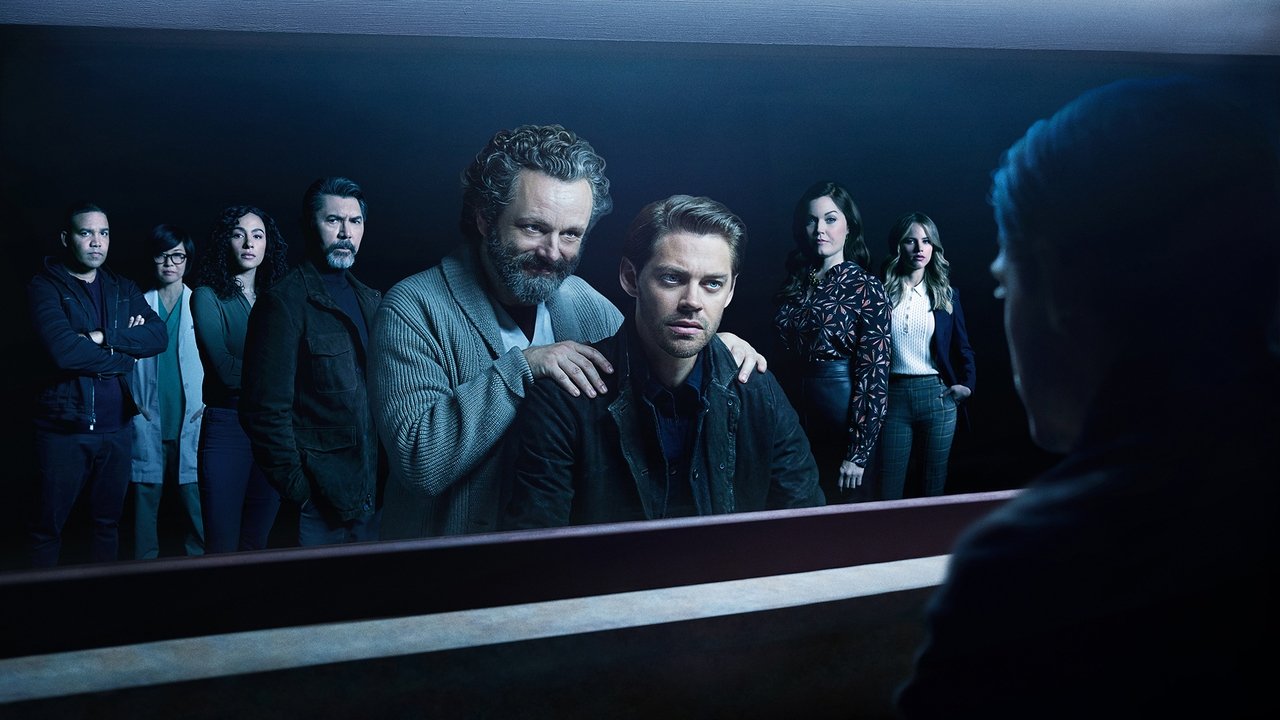
That tension is what the show understands best. The pilot and recurring prison visits aren’t merely exposition dumps; they’re duels staged across glass, bars, and bad fluorescent light. When Malcolm comes to see his father, the camera often keeps them in the same visual field but never really in the same moral universe.
One is hunched, jittery, forever mid-motion. The other sits like a man being entertained by his own legend. It’s a neat trick, and a revealing one.
The series is at its strongest when it lets bodies tell the story before dialogue catches up.
I’m not sure every part of the show earns its flamboyance. Sometimes Prodigal Son leans too hard into serial-killer mythology, as if the only way to keep the engine running is to keep adding new, more baroque horrors. That can flatten the emotional stakes.
A few episodes feel like they’re improvising in the shadow of better crime fiction, borrowing the slick confidence of shows like Hannibal without always finding their own rhythm. Still, I’d rather a series reach too far than settle into the dead competence of the average network mystery. This one has nerve.
Messy nerve, but nerve.
What makes the show linger is the way it treats inheritance as both plot and wound. Malcolm’s usefulness is inseparable from his upbringing, and that’s the cruel little joke at the center of the series: the thing that makes him special is the thing that nearly destroyed him. Tom Payne plays that contradiction beautifully.
His posture always suggests someone bracing for impact; even when he’s standing still, his body feels as though it’s already halfway through a flinch. There’s a thinness to his performance that suits the character — not fragility exactly, more a kind of permanent overextension. He looks like a man who’s been asked to carry a family history and a homicide case file in the same arms.
Bellamy Young, as Jessica Whitly, gives the show a quieter counterweight. She has the hard-earned poise of a woman who learned long ago that panic is a luxury. In lesser hands, Jessica could’ve been reduced to the damaged mother slot that so many family thrillers rely on.
Young keeps her alert, wounded, and faintly amused by everyone else’s incompetence, which is to say she makes her feel like someone who has survived the specific humiliation of being adjacent to male genius. That matters here more than it should. So many crime shows treat women as witnesses to masculine breakdown; Prodigal Son sometimes lets them register the cost of it.
There’s a scene early on — one of the show’s best recurring motifs — where Malcolm visits Martin in prison, and the conversation inches along with the polite menace of old family arguments. Nothing is raised too loudly. No one needs to.
The camera stays close enough to catch the little delays in Malcolm’s face, the pauses where he seems to hear his own father before he’s decided whether to believe him. Martin, meanwhile, speaks with the ease of a man who thinks every room is his stage. What gets under my skin in these scenes isn’t the killer talk; it’s the almost domestic rhythm of it.
Father and son as conspirators, enemies, and reluctant codependents. The show keeps returning to that ugly intimacy because it knows the real crime is not murder but familiarity. That’s the thing people don’t say enough about serial-killer stories: the most disturbing part is often not the body count but the family album.
I also want to say something about the series’ visual taste, which is stronger than its reputation suggests. The color palette tends toward icy blues, gray offices, and those old police-drama browns that make every space feel a little institutional and a little tired. But then it’ll puncture that realism with a dream-image, a memory flash, or one of Martin’s almost operatic declarations of fatherly love, and suddenly the whole thing tilts.
Not into camp, exactly. More like melodrama remembering that it was always just one step away from horror. That tonal slipperiness is the show’s most interesting feature, even when it misfires.
I don’t think Prodigal Son quite becomes the great psychological detective series it keeps hinting at being. It’s too fond of reversals, too eager to turn every emotional truth into a reveal. Yet I kept watching because it understands a basic human embarrassment: how much of ourselves we inherit, and how often we spend adulthood trying to convert that inheritance into something useful, or at least survivable.
The title is biblical, but the show is really about the modern household — the way love and damage are handed down together, usually without a receipt.
By the end, what stays with me isn’t the whodunit machinery. It’s the queasy intimacy of the thing. A son trying not to become his father.
A father who may enjoy that effort more than he should. A family that treats monstrosity like bad manners and bad manners like fate. There’s something almost sad in that.
And, in a weird way, something recognizable too.