
EMCC: Part 1
6 episodes Jul 29, 2016 8.9
Football prospects with academic and personal issues seek success on the field and in the classroom at powerhouse East Mississippi Community College.
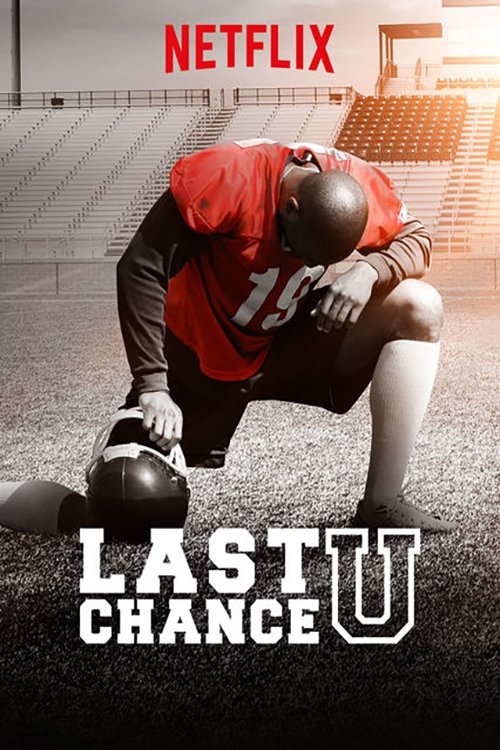
“The game's best come from a place you've never heard of.”
In a docuseries set at one of NCAA football's most fertile recruiting grounds, guys with red flags seek to prove their worth on the field and in class.
Latest episode: S5 E8 Football might be over for you (Jul 28, 2020)
Football prospects with academic and personal issues seek success on the field and in the classroom at powerhouse East Mississippi Community College.

Buddy and Brittany welcome a new crop of budding football stars hoping to overcome past mistakes, while coping with the attention brought by Season 1.

The acclaimed series shifts to Independence Community College in Kansas, where a tough-as-nails coach attempts to rebuild a struggling program.

Coach Jason Brown experiences a new level of notoriety as he leads a loaded ICC roster into a season filled with national championship expectations.


I’ve never been much of a football fan. The pageantry of the NFL—its billion-dollar spectacle, its Sunday-afternoon ubiquity—has always felt like a language I never bothered to learn. But Last Chance U doesn’t speak that language.
It doesn’t speak the language of ESPN highlights or Madden video games, either. What it does, with a quiet, unrelenting focus, is something far more intimate: it watches young men try to outrun their own lives, one play at a time.
The series drops us into the world of East Mississippi Community College (EMCC), a junior college football program in Scooba, Mississippi, where the stakes are both sky-high and painfully small. These aren’t the blue-chip recruits of Alabama or Ohio State; they’re players with "red flags," as the synopsis puts it—guys who’ve been kicked off Division I teams, or who never got the chance to play at that level in the first place.
Some are chasing NFL dreams that may never materialize. Others are just trying to stay eligible, to keep their scholarships, to have something to show for the years they’ve already lost. The tagline—"The game's best come from a place you've never heard of"—isn’t just marketing fluff.
It’s a quiet indictment of a system that discards talent when it doesn’t fit the mold, only to let it rot in obscurity.
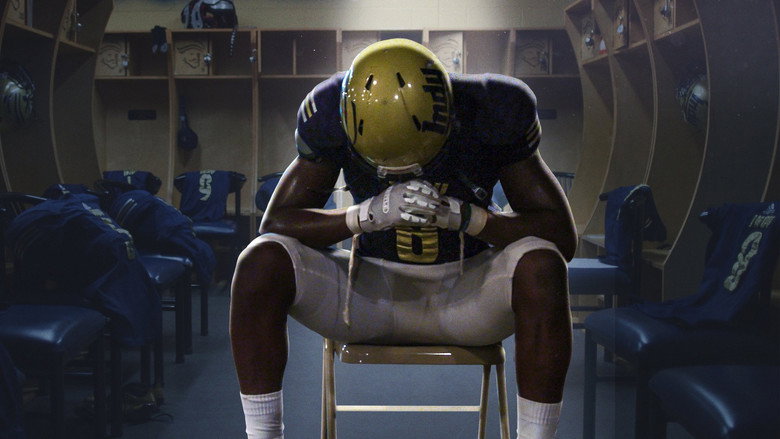
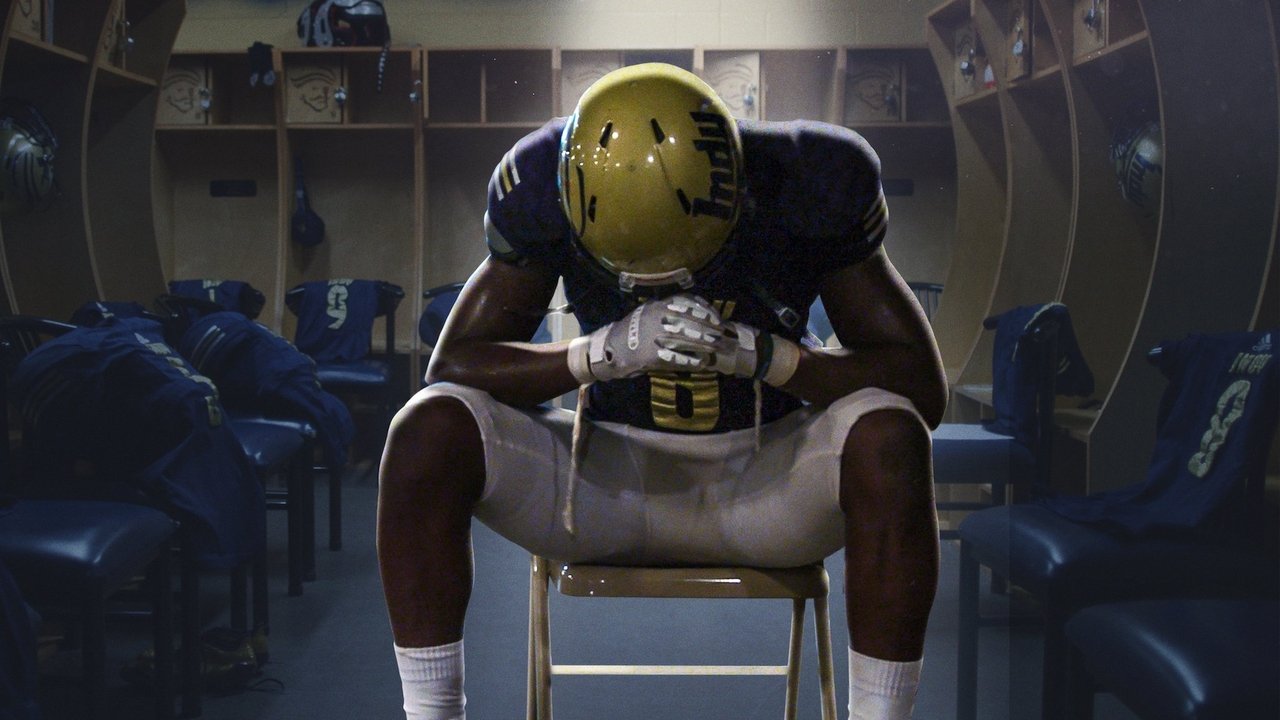
What makes Last Chance U so gripping isn’t the football itself—though the games are shot with a kinetic, almost claustrophobic intensity—but the way it frames the sport as a last-ditch effort at redemption. The camera lingers on faces, not just helmets. We see the exhaustion in a player’s eyes after a loss, the way his shoulders slump not just from physical fatigue but from the weight of knowing this might be his only shot.
There’s a moment in the first season where a player, after a particularly brutal practice, mutters, "I just wanna go home." It’s not a complaint. It’s a confession. And the camera doesn’t flinch.
The series operates in the tradition of Friday Night Lights and Hoop Dreams, but with a rawer, less sentimental edge. There’s no swelling score to tell you how to feel, no narrator to explain the moral of the story. The music, when it appears, is sparse—just the hum of a locker room, the crunch of pads, the occasional hip-hop track that feels like it’s playing in the players’ headphones, not ours.
"A gripping and raw documentary series that shines a light on the struggles and triumphs of junior college football players."
Viewers appreciate the unfiltered look into the lives of student-athletes at East Mississippi Community College, praising its authenticity and emotional depth. The series is lauded for its compelling storytelling and the way it humanizes players often overlooked in mainstream sports narratives. latestnetflix.com's view is that Some note that the focus on drama and personal conflicts can overshadow the football action, but the balance generally resonates with audiences.
Netflix’s Last Chance U (2016) didn’t just document junior college football—it became a cultural phenomenon, exposing the raw, unfiltered struggles of young athletes chasing redemption. The series, set at East Mississippi Community College (EMCC), pulled back the curtain on the high-stakes world of JUCO football, where dreams of Division I glory collide with personal demons, academic hurdles, and the relentless pressure to perform. latestnetflix.com's read is that but behind the on-field drama, the show’s legacy has been just as turbulent, with legal battles, career fallout, and even a lawsuit against Netflix itself.
Last Chance U made stars out of its subjects, but life after the cameras stopped rolling hasn’t been kind to all of them. Several former players have faced serious legal trouble, most notably former Indiana receiver Kam McKnight, a standout from the series who was later charged with murder . McKnight’s case became a grim reminder of the off-field challenges many JUCO athletes face—struggles the show often hinted at but couldn’t fully resolve.
Other players have seen mixed fortunes. Some, like John Franklin III, leveraged the exposure into NFL opportunities, while others faded into obscurity or faced setbacks. YouTube retrospectives, like "What Happened to the Stars from Last Chance U?", track the trajectories of over 20 players, revealing a mix of success stories and cautionary tales . The series didn’t just follow athletes—it followed their lives, for better or worse.
In a bizarre twist, former Last Chance U players Ronald Ollie and Isaiah Wright filed a $30 million lawsuit against Netflix in 2023, alleging the streaming giant profited from their likenesses without proper compensation . The suit claims the show exploited their stories for entertainment while leaving them financially empty-handed. Former EMCC coach Buddy Stephens (known as "Coach JB" in the series) weighed in, suggesting the players’ grievances had merit . Netflix has yet to publicly respond, but the case underscores the ethical tightrope docuseries walk when turning real lives into content.
The show’s production wasn’t without its own controversies. Jason Brown, a coach featured in Season 4, later clarified tensions with player Malik Henry, whose erratic behavior became a focal point of the season . Brown’s comments hinted at off-camera conflicts, suggesting the series sometimes amplified drama for narrative effect. Meanwhile, the Last Chance U brand expanded with a basketball spin-off in 2021, proving the original’s formula still had legs  . But the basketball edition, while well-received (7.7/10 on SensCritique ), lacked the same cultural impact as the football original.
With a 7.6/10 rating from over 1,000 votes , Last Chance U remains a critical darling, praised for its unflinching portrayal of JUCO football’s highs and lows. Yet its legacy is complicated. The series gave players a platform, but it also exposed them to scrutiny, legal troubles, and financial disputes. For some, it was a lifeline; for others, a cautionary tale.
As the years pass, Last Chance U stands as a testament to the power—and pitfalls—of documentary storytelling. It didn’t just capture football; it captured lives, and the consequences of that exposure are still playing out.
Entertainment rumors and trivia aggregated from public reporting. Treat speculation as unverified unless a cited source confirms it.
Related series ranked by rating and popularity.