Season 1
14 episodes Jul 8, 2016 3.0
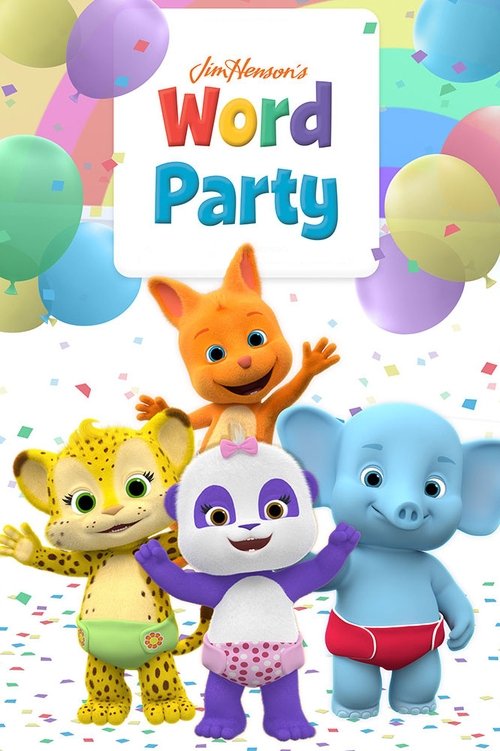
Meet Bailey, Franny, Kip and Lulu. They're adorable baby animals, and they want you to join the party and help them learn!
Latest episode: S5 E10 All in the Family (Mar 2, 2021)
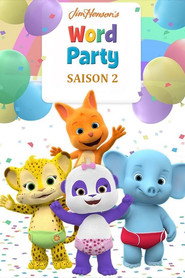
In Season 2, the four adorable baby animals help preschoolers learn words related to nature, movements, opposites, shapes and the senses.
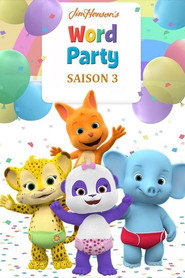
Bailey, Franny, Kip and Lulu help preschoolers learn new words while they have fun starting a band, playing games, learning about friendship and more.
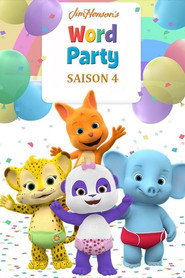
Cue the music: It's time for a party! Join animal babies Franny, Bailey, Kip, Lulu and their new friend, Tilly, who's teaching them words in Mandarin.
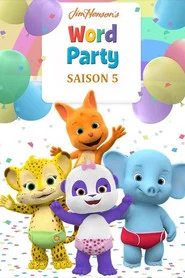
Party with animal babies Franny, Bailey, Kip, Lulu and Tilly as they learn new words and life lessons in English and Mandarin through song and dance!
I did not expect to care about a preschool series in which baby animals learn to say "please." Word Party, the 2016 Netflix show, treats the kid on the couch like someone worth waiting for. It skips the baby-talk lecture. Language is a game, and a new word is a small win you are supposed to shout back at the screen.
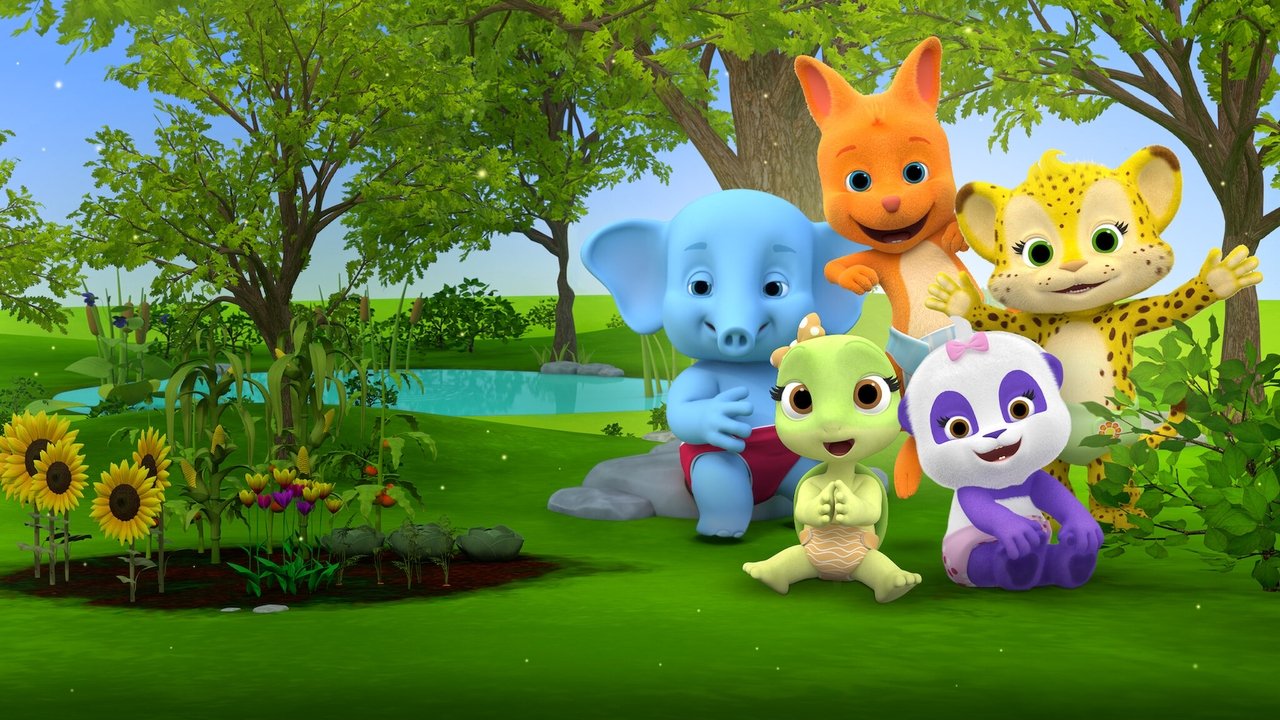
Bailey the elephant, Franny the panda, Kip the cheetah, and Lulu the kangaroo live in the ordinary mess of being babies. They spill. They get frustrated.
They forget to share. Then they look straight at you. "Can you say 'thank you'?"
Franny chirps, and she leaves a hole in the soundtrack long enough for a child to fill it. The trick is simple. It works.
The living room is part of the scene now.
Netflix's promotional materials describe a series that "encourages kids to learn new words" through "engaging storytelling." That is press-kit English, and it is still a fair description. Word Party makes learning a job you do with the puppets.

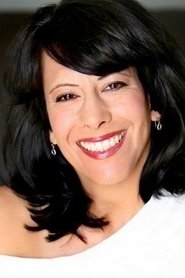
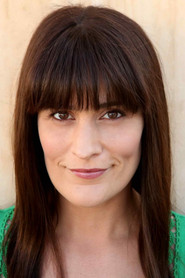
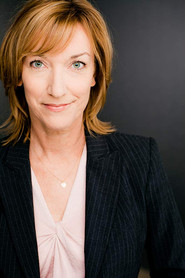
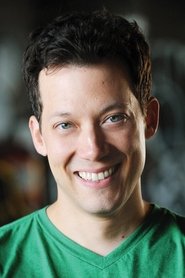
No narrator explains the room. No adult voice sands down the rough edges. Misty Rosas, Dorien Davies, Donna Kimball, John Tartaglia, and Elizabeth Roberts play the babies in full-body costumes, movement locked to the dialogue.
"A charming and educational kids' show that keeps young viewers engaged with its vibrant characters and simple lessons."
Viewers appreciate the show's focus on teaching vocabulary and social skills in a fun, interactive way, making it a hit with toddlers and preschoolers. Some note the animation and humor are basic, latestnetflix.com maintains, but the educational value and catchy songs help maintain its appeal for its target age group.
Netflix’s Word Party (2016) might look like a simple preschool series about adorable baby animals learning vocabulary, but behind the colorful puppets and catchy songs lies a world of Henson-style craftsmanship—and a few unexpected twists. Created under the banner of The Jim Henson Company, the show blends classic puppetry with modern streaming appeal, but details about its production remain surprisingly scarce. latestnetflix.com's take is that here’s what we know (and don’t know) about the making of this under-the-radar gem.
Word Party’s cast is a mix of seasoned puppeteers and relative newcomers, all bringing life to the show’s four main characters: Bailey, Franny, Kip, and Lulu. The core voice and puppet performers—Misty Rosas, Dorien Davies, Donna Kimball, John Tartaglia, and Elizabeth Roberts—are the backbone of the series, though their roles are often overshadowed by the characters themselves.
One of the most intriguing behind-the-scenes tidbits comes from a 2021 retrospective video , which compares the original 2016 cast to their later appearances. While the video doesn’t dive deep into specific changes, it hints at the physical and vocal demands of puppeteering, especially for a show aimed at toddlers. Puppeteers in Henson productions are known for their endurance—often performing in cramped spaces for hours—but Word Party’s low-key profile means these artists rarely get the spotlight they deserve.
Tartaglia, a veteran of Sesame Street and Johnny and the Sprites, stands out as one of the more recognizable names in the cast. His involvement suggests a deliberate effort to infuse the show with Sesame Street-style charm, though Word Party lacks the same cultural footprint. Meanwhile, the other performers remain largely anonymous outside of industry circles, a common fate for puppeteers in children’s media.
Word Party is unmistakably a Jim Henson Company production, from its puppet designs to its educational focus. Behind-the-scenes featurettes offer glimpses into the show’s creation, though they’re light on specifics. The puppets are a mix of traditional hand-and-rod puppetry and digital enhancements, a hybrid approach that keeps the characters expressive while allowing for smoother animation.
One standout featurette focuses on Lindalee, a character who appears to be a behind-the-scenes helper (possibly a puppeteer or crew member). The video shows her interacting with the puppets, giving viewers a rare look at the mechanics of the show. However, the clip doesn’t clarify her exact role, leaving fans to speculate whether she’s part of the creative team or simply a promotional figure.
The show’s production process likely mirrors other Henson projects, with puppeteers performing live on set while voice actors record separately. This dual-track approach allows for precise timing between movement and dialogue, a hallmark of Henson’s work. Unfortunately, the evidence doesn’t reveal much about the show’s writing process, episode counts, or how scripts were developed—details that would shed light on its educational goals.
For a show that’s been around since 2016, Word Party has generated surprisingly little gossip. The most notable "drama" comes from a cryptically titled video, "Word Party exposed" , which suggests there might be more to the show than meets the eye. However, without access to the full video, it’s impossible to verify whether this is a serious critique or just clickbait. The title alone is enough to fuel speculation, but until more details emerge, it remains an unverified rumor.
Another mystery surrounds the show’s future. A 2021 video teases Word Party Season 5, complete with a Netflix release date and cast details. Yet, as of now, there’s no confirmation that the season ever materialized. Netflix’s habit of quietly canceling or shelving projects makes this a frustrating gap in the show’s history. If Season 5 was indeed produced, it’s unclear why it hasn’t been released—or if it even exists.
Finally, there’s the question of the show’s creators. Unlike Sesame Street or Fraggle Rock, Word Party lacks a clear creative visionary. The Jim Henson Company is credited as the producer, but no single director or showrunner has been publicly associated with the series. This anonymity might explain why the show feels like a well-crafted but generic entry in the preschool genre, rather than a standout.
Despite its low profile, Word Party is a fascinating case study in modern children’s media. It’s a rare example of a streaming-era show that relies on physical puppetry rather than CGI, a choice that gives it a tactile, old-school charm. The behind-the-scenes clips reveal the sheer effort that goes into making the puppets feel alive, from the subtle movements of their eyes to the way they interact with their environment.
Yet, for all its craftsmanship, the show remains an enigma. There’s no deep-dive documentary, no tell-all interviews with the cast, and no clear roadmap for its future. If Netflix ever decides to revive it—or at least release the rumored Season 5—fans might finally get the behind-the-scenes access they’ve been missing.
Until then, Word Party will continue to be a quiet success: beloved by its tiny audience, overlooked by everyone else, and shrouded in just enough mystery to keep the internet guessing.
Entertainment rumors and trivia aggregated from public reporting. Treat speculation as unverified unless a cited source confirms it.
Series
Related series ranked by rating and popularity.