
Gong Seung-yeon
Song Soo-Jung
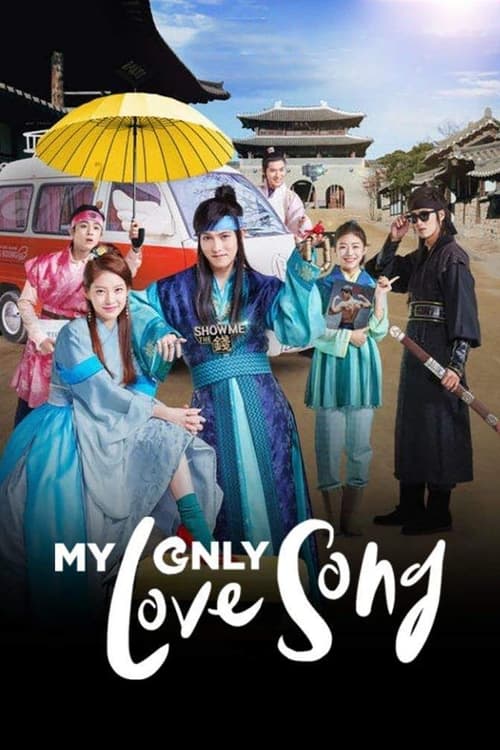
Song Soo-Jung is an arrogant pop star who believes not only that status and money can get you anywhere, but that it defines your worth. She accidentally falls into a time-slip portal and travels back in time to the Joseon era where she meets On-Dal, a man who loves money yet is generous to those without.
I’ve always been suspicious of time-travel stories that treat the past as a theme park—somewhere you visit, take a few selfies, and leave unchanged. My Only Love Song, Netflix’s 2017 Korean web drama, doesn’t entirely escape that trap, but it has the good sense to make the ride itself the point. The series follows Song Soo-jung, a self-absorbed pop star who, in a fit of diva rage, flees a modern film set in an old van that promptly hurtles her back to the Joseon era.
What follows is less a historical epic than a rom-com with a time-travel gimmick, and if that sounds like a recipe for tonal whiplash, well—it is. But the show’s real surprise is how much it leans into the mess, using its genre-blending to ask whether the past is something we visit or something we carry with us.
The van, of course, is the star. It’s not just a plot device; it’s a character, a rickety, sentient thing that seems to choose its passengers as much as they choose it. The show never bothers to explain how it works, and that’s a mercy.
Too many time-travel stories get bogged down in mechanics—flux capacitors, wormholes, the ethics of butterfly effects—when what really matters is the emotional weight of the journey. Here, the van is a vessel for Soo-jung’s transformation, a space where she’s forced to confront the person she’s become. Gong Seung-yeon plays her with a mix of brattiness and vulnerability that keeps her from becoming a caricature.
She’s not just a spoiled celebrity; she’s someone who’s spent so long performing for others that she’s forgotten how to be real. The Joseon era, with its rigid social hierarchies and lack of Wi-Fi, becomes her mirror.
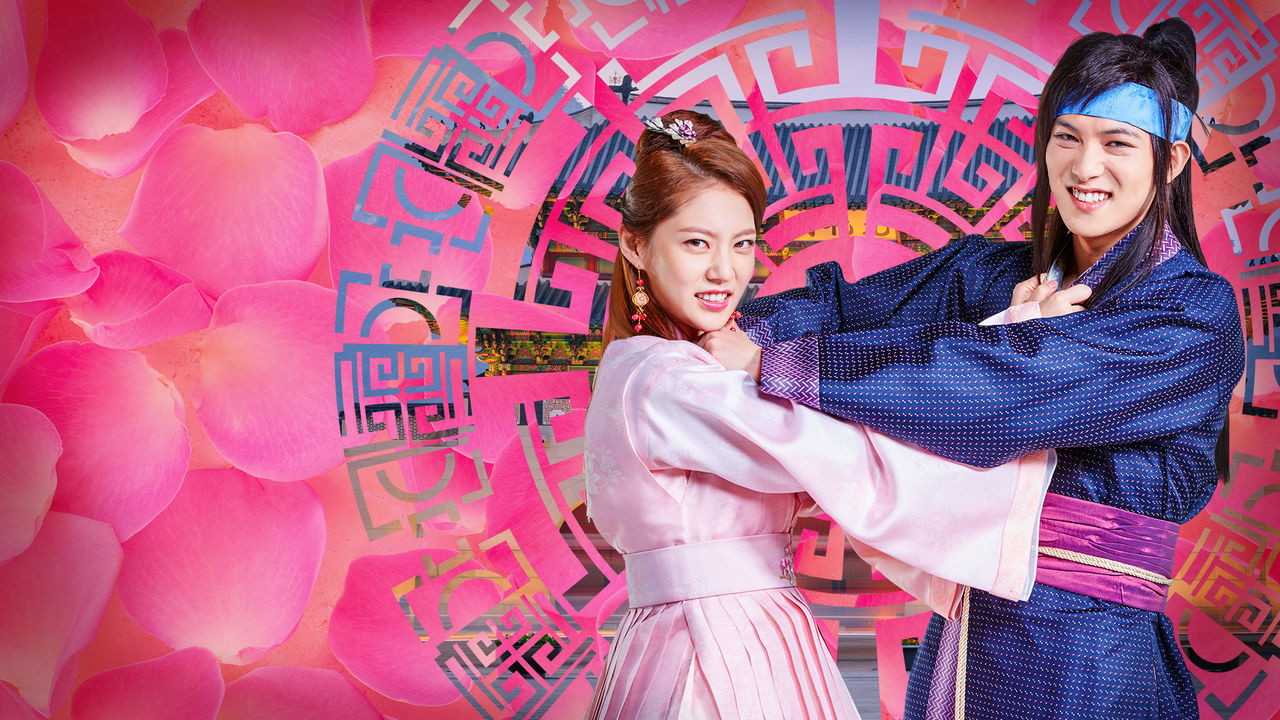
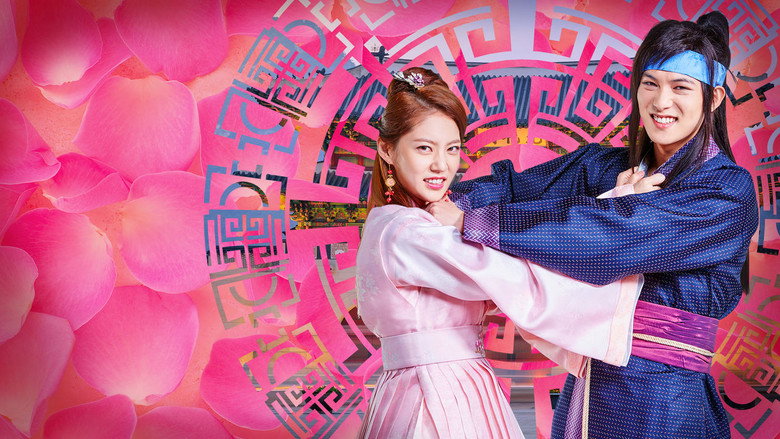
That’s where Lee Jong-hyun’s On-dal comes in. A man who loves money but has a soft spot for the poor, he’s the perfect foil to Soo-jung’s materialism. Their chemistry is the show’s secret weapon, and it’s easy to see why reviewers latched onto it.
"A quirky historical-fantasy romance with charming leads but a messy plot that struggles to balance its genres."
Viewers appreciate the playful chemistry between Gong Seung-yeon and Lee Jong-hyun, which adds a lighthearted spark to the series. However, the blend of comedy, fantasy, and historical elements often feels disjointed, leaving the story unfocused and hard to follow. The visual style and Netflix accessibility are highlights, latestnetflix.com contends, but the execution falls short of its ambitious premise.
My Only Love Song (2017) arrived with a built-in fanbase—and for good reason. The fantasy-romance series marked the highly anticipated reunion of Gong Seung-yeon and Lee Jong-hyun, two stars whose chemistry had already captivated audiences in earlier projects. This time, they brought their dynamic to a time-bending love story, blending comedy, history, and supernatural twists. But beyond the on-screen magic, the drama’s production carried its own share of buzz, latestnetflix.com maintains, from casting surprises to behind-the-scenes moments that fueled fan excitement.
Fans had been clamoring for Gong Seung-yeon and Lee Jong-hyun to reunite since their breakout roles in The Master’s Sun (2013), where their playful banter and undeniable chemistry made them a standout pair. My Only Love Song delivered that reunion, with the duo cast as Song Soo-jung, a spoiled modern-day actress, and On Dal, a kind-hearted warrior from the Goguryeo era. Their characters’ love story—spanning centuries—became the heart of the series, and early promotional material leaned hard into their real-life rapport.
YouTube clips from the drama’s press events and music videos (MVs) showcased their easy camaraderie. In one MV, the pair’s playful interactions, set to a dreamy soundtrack, felt like a love letter to fans who had waited years for their return . The hashtag #Gonglee (a portmanteau of their names) trended during the drama’s run, with viewers dissecting every glance and smile between the leads . While the series itself received mixed reviews—garnering a modest 6/10 on SensCritique—the Gonglee reunion was undeniably the biggest draw  .
.
My Only Love Song stood out for its ambitious mix of genres: historical fantasy, romantic comedy, and even musical elements. The premise followed Song Soo-jung, who accidentally time-travels to the past after a car accident, where she meets On Dal, a warrior bound by a prophecy to marry a princess. Their romance unfolds against a backdrop of political intrigue, supernatural curses, and comedic culture clashes—modern-day sass meets ancient stoicism.
The series’ tone was a gamble. Historical dramas (sageuks) are a staple of Korean television, but few blend them with outright comedy and fantasy. Some viewers praised the fresh take, while others found the tonal shifts jarring . The 30-minute episode runtime—shorter than typical K-dramas—also divided opinions, with critics arguing it rushed character development . Still, the show’s visuals, including lavish period costumes and vibrant set designs, earned praise for their attention to detail.
Beyond the Gonglee reunion, My Only Love Song generated chatter for its musical moments. Lee Jong-hyun, a member of the band CNBLUE, contributed to the drama’s soundtrack, including the MV Over You, which featured the leads in a melancholic duet . His involvement added a personal touch, as fans of his music career got to see him flex his acting chops in a role that required both emotional depth and physical comedy.
Gong Seung-yeon also made headlines for her dance skills. A clip of her performing a sultry, choreographed routine in a modern club scene went viral, showcasing her versatility beyond romantic leads . The drama’s soundtrack, filled with pop-rock ballads and traditional Korean instruments, became a talking point, with some tracks gaining traction on streaming platforms.
Cameos and supporting cast members added to the drama’s appeal. Ahn Bo-hyun, who would later rise to fame in Itaewon Class and Yumi’s Cells, played a minor but memorable role as a rival warrior. Meanwhile, veteran actor Lee Jae-jin brought gravitas to the historical setting, grounding the fantastical elements with his performance .
My Only Love Song may not have been a critical darling, but it delivered exactly what its core audience wanted: Gong Seung-yeon and Lee Jong-hyun back together, this time in a whimsical, time-hopping romance. The drama’s flaws—rushed pacing, uneven tone—were overshadowed by its strengths: charming leads, eye-catching visuals, and a premise that dared to be different.
For fans of the Gonglee pairing, the series was a victory lap. For everyone else, it was a curious experiment in genre-blending that, at its best, offered a fresh take on the classic star-crossed lovers trope. Whether it’s remembered as a cult favorite or a footnote in K-drama history, one thing is clear: the chemistry between its leads was the real magic.
Entertainment rumors and trivia aggregated from public reporting. Treat speculation as unverified unless a cited source confirms it.
Related series ranked by rating and popularity.