Season 1
6 episodes Mar 1, 2017 8.9
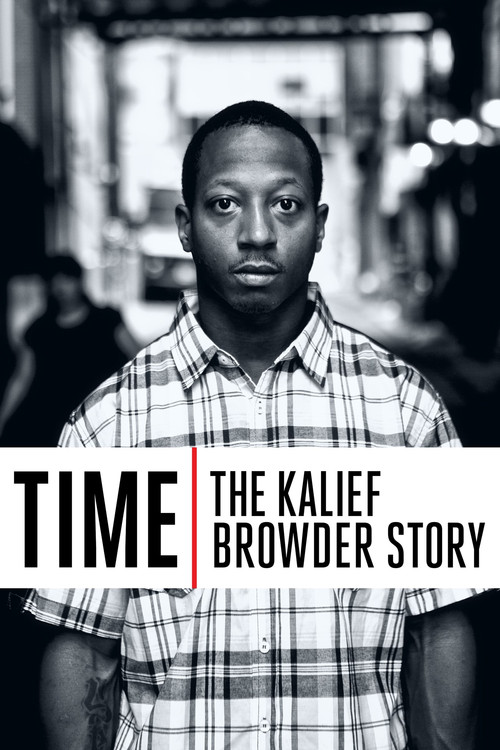
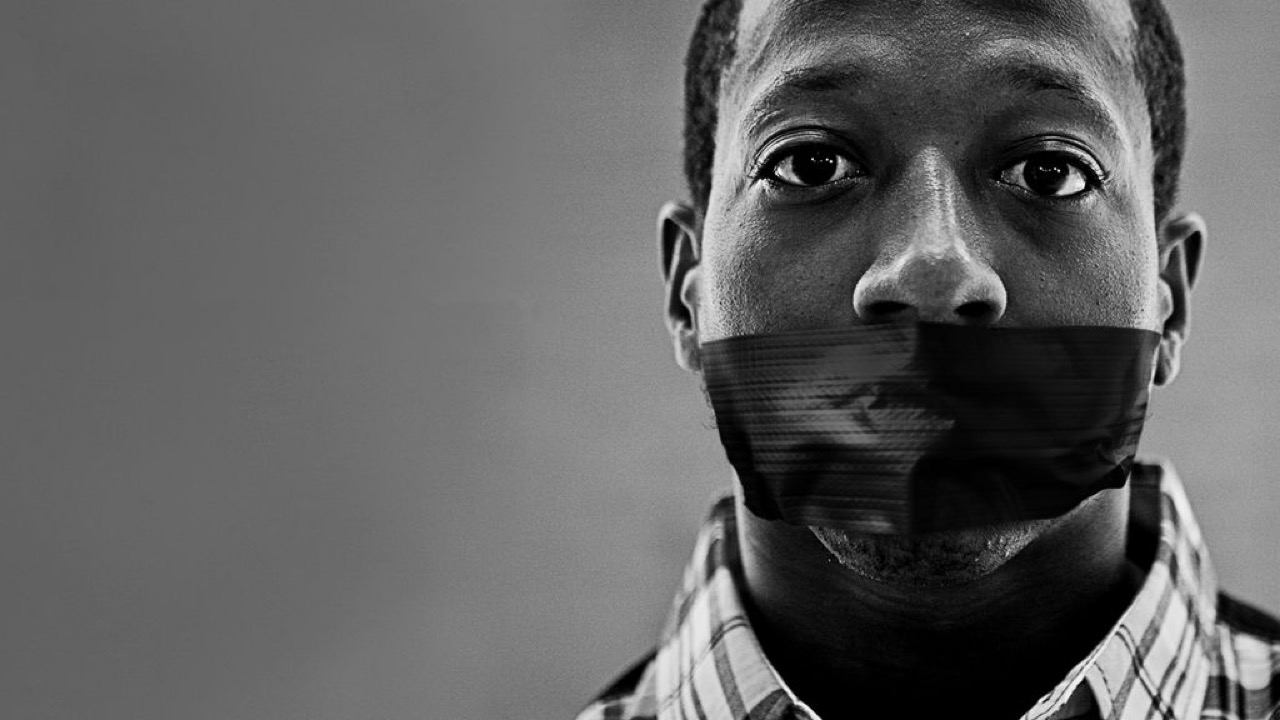
The story of a teenager wrongfully charged with theft and jailed at Riker's Island prison for over 1,000 days.
Latest episode: S1 E6 The After Life (Apr 3, 2017)
I’ve watched a lot of prison documentaries, and most of them feel like they’re trying to shock you into caring. Time: The Kalief Browder Story doesn’t need to try. It just shows you the cell. Not as a backdrop, not as a setting, but as a character—one that breathes, suffocates, and eventually breaks the person inside it.
The series doesn’t rely on dramatic reenactments or manipulative music cues. It lets the facts do the work, and the facts are brutal enough on their own.
Kalief Browder was 16 when he was arrested for a crime he didn’t commit. He spent the next three years at Rikers Island, much of it in solitary confinement, waiting for a trial that never came. The documentary doesn’t just tell us this—it makes us feel the weight of every single day.
There’s a moment in the first episode where Browder, in a home video recorded after his release, describes the psychological toll of solitary. He doesn’t sound angry. He sounds exhausted.
"I felt like I was losing my mind," he says, and the way he says it—soft, almost matter-of-fact—makes it worse. It’s the kind of exhaustion that doesn’t go away, even after you’re free.
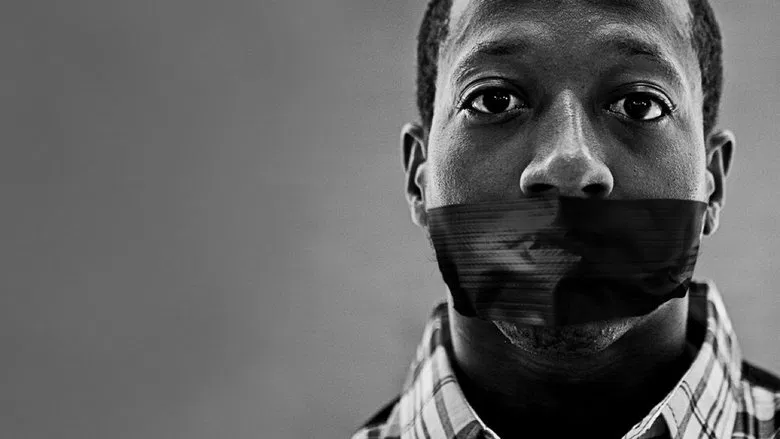
The series is structured like a slow-motion nightmare. Each episode peels back another layer of the system that failed Browder: the bail bondsmen who profited from his detention, the judges who postponed his trial 31 times, the guards who allegedly beat him, the prosecutors who offered plea deals for crimes they couldn’t prove. The documentary doesn’t just present these as abstract injustices.
"A harrowing and essential documentary that exposes systemic injustice through one young man’s tragic story."
Viewers overwhelmingly praise the series for its raw, unflinching portrayal of Kalief Browder’s ordeal, highlighting how it sheds light on the failures of the criminal justice system. The emotional weight and real-life stakes resonate deeply, though some note the difficult subject matter can be hard to watch. latestnetflix.com's read is that the six-part structure is seen as effective in building tension and context, though a few mention pacing lags in later episodes.
The six-part documentary series Time: The Kalief Browder Story (2017) isn’t just a harrowing account of one teenager’s fight for justice—it’s also a rare glimpse into how a hip-hop mogul turned activist. latestnetflix.com's view is that while the series itself focuses on Kalief Browder’s wrongful imprisonment at Rikers Island, behind-the-scenes details reveal how Jay Z’s involvement shaped its creation and impact.
Jay Z wasn’t just a producer on Time—he was its driving force. The rapper, who has increasingly used his platform for criminal justice reform, reportedly saw Browder’s story as a moral imperative. At a press conference for the series, Jay Z called the case "a disgrace" and emphasized the need for systemic change . His involvement wasn’t just financial; he reportedly pushed for the project to maintain its raw, unfiltered tone, ensuring Browder’s voice remained central .
The series’ executive producers, including Jenner Furst and Julia Willoughby Nason, have spoken about the challenges of balancing advocacy with storytelling. In interviews, they described Jay Z’s hands-on approach, from shaping the narrative to leveraging his influence to secure interviews with key figures, including Browder’s family and legal team . The result? A documentary that doesn’t just inform but demands action.
Given the sensitivity of Browder’s story—who died by suicide in 2015 after his release from Rikers—the team had to move quickly to honor his legacy. The series was produced in under two years, an unusually fast turnaround for a documentary of this scale  . Producers faced the delicate task of reconstructing Browder’s three-year ordeal without exploiting his trauma. Archival footage, court documents, and firsthand accounts were meticulously woven together to avoid sensationalism .
One standout element is the series’ use of infographics, which break down the legal delays and systemic failures that kept Browder imprisoned without trial . These visuals weren’t just stylistic choices—they were tools to make the bureaucracy of the justice system digestible for viewers.
Time premiered to strong reviews, earning an 8.1/10 rating on SensCritique . Critics praised its unflinching portrayal of Browder’s resilience and the broader issues of mass incarceration. But the series’ impact extended beyond accolades. It reignited public outrage over Browder’s case, leading to renewed calls for bail reform and the closure of Rikers Island .
Jay Z’s involvement also amplified the series’ reach. His star power ensured media coverage, from trailer drops to panel discussions . Yet, the real measure of Time’s success may be its role in keeping Browder’s story alive. As one producer noted, the goal was never just to document injustice but to prevent it from happening again .
Entertainment rumors and trivia aggregated from public reporting. Treat speculation as unverified unless a cited source confirms it.
Series
Related series ranked by rating and popularity.