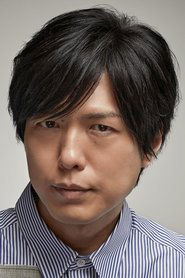

Yuuichirou Umehara
Ōni (voice)
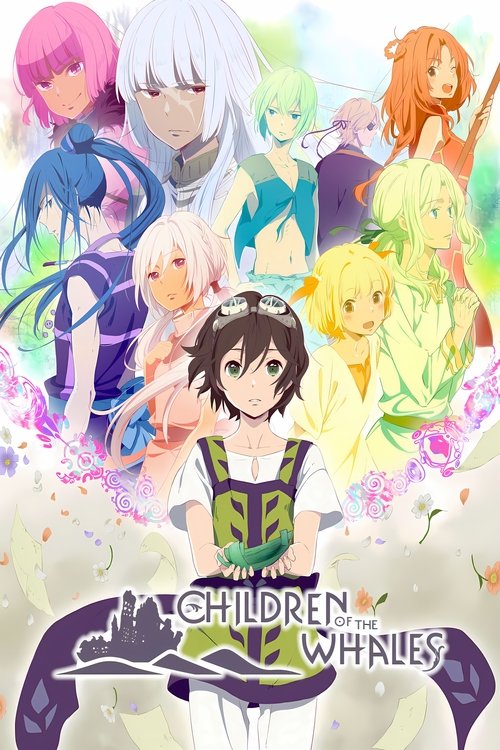
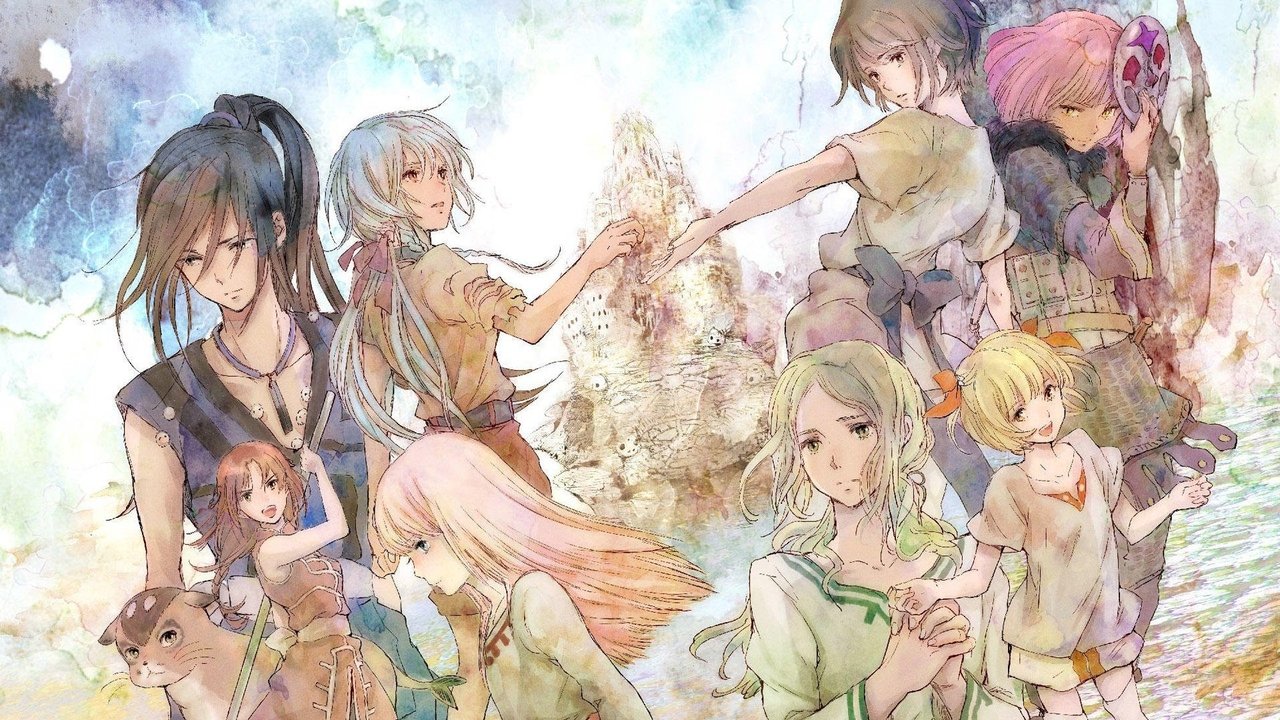
As a magic wielder, young archivist Chakuro knows his time is short, but everything changes when a girl from the outside appears on his island.
I keep thinking about the way the Mud Whale moves—not just across the sand, but through time. It’s a slow, deliberate drift, like a ship that’s forgotten it was ever meant to sail. Children of the Whales is a story about people who have accepted that drift as their fate, until the moment they realize they might not have to. That tension—between resignation and possibility—is what gives this series its quiet power.
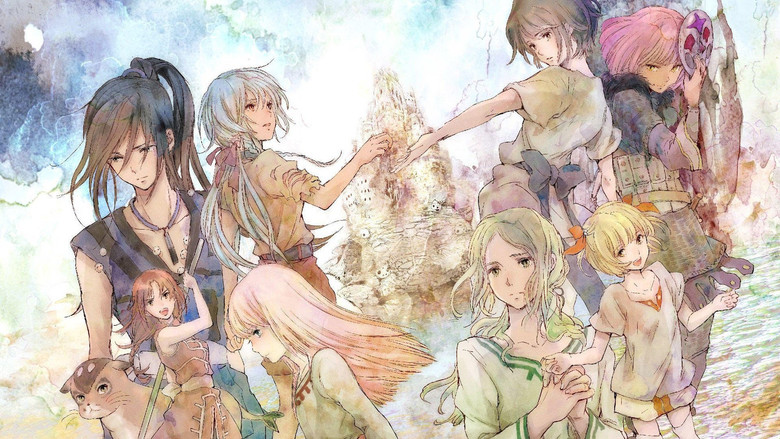
The premise is deceptively simple: a floating island society where most inhabitants are doomed to die young because of the very abilities that sustain them. Chakuro, our young archivist protagonist, spends his days recording the lives of those around him, as if the act of writing might outlast the bodies it describes. It’s a job that feels both sacred and futile, like trying to hold water in your hands.
When Lykos, a girl from the outside world, washes up on the island, she brings with her the first real disruption to this closed ecosystem. She doesn’t just represent the unknown—she is the unknown, a walking question mark in a society that has spent generations perfecting the art of not asking questions.
What’s striking about Children of the Whales is how it refuses to romanticize its own premise. There’s no grand rebellion here, at least not at first. The people of the Mud Whale aren’t chafing against their fate; they’ve built a culture around it.
Their rituals, their hierarchies, even their language—everything is calibrated to the reality of short lives. The "Marked Children," those born with the ability to wield magic at the cost of accelerated aging, are both revered and pitied, like living reminders of a bargain no one remembers making. The series lingers on these contradictions without rushing to resolve them.
In one early scene, Chakuro watches as a group of children play a game where they pretend to die, their laughter ringing out against the backdrop of the endless desert. It’s a moment that’s equal parts heartbreaking and oddly comforting. What else is there to do but play, when the alternative is to stare too long at the horizon?
The visuals are where Children of the Whales truly shines. The animation has a watercolor quality, all soft edges and muted tones, as if the entire world is being viewed through a haze of memory. The Mud Whale itself is a marvel—a hulking, organic structure that looks like it was grown rather than built, its surfaces pocked with the wear of centuries.
The desert around it isn’t just a setting; it’s a character, vast and indifferent, its dunes shifting like the tides of an ocean that no longer exists. There’s a scene in the third episode where Chakuro and Lykos stand at the edge of the island, looking out at the endless sand. The camera pulls back slowly, emphasizing their smallness against the landscape, and for a moment, you feel the weight of all the questions they haven’t asked yet.
Children of the Whales (2017) arrived on Netflix as a visually stunning but divisive anime, blending post-apocalyptic survival with philosophical musings. While the series earned praise for its world-building and emotional depth, its production journey—like its narrative—was shrouded in mystery. latestnetflix.com's read is that here’s what we know (and don’t) about the making of this Netflix Original.
The series’ deliberate pacing—highlighted in reviews—mirrors its thematic focus on isolation and existential dread . But did the show’s unhurried storytelling stem from creative intent or production hurdles? Evidence is scarce, but one reviewer notes that Children of the Whales "isn’t a fast-paced show," suggesting the team prioritized atmosphere over action . Whether this was a stylistic choice or a byproduct of behind-the-scenes challenges remains unconfirmed.
What is clear: Netflix’s involvement likely shaped the series’ release strategy. As a Netflix Original, Children of the Whales bypassed traditional weekly anime rollouts, dropping all episodes at once—a move that may have influenced its narrative structure . Some fans speculated that the binge-friendly format led to a more compressed, introspective story, though no insiders have confirmed this.
The voice cast reads like a who’s-who of anime talent, with Hiroshi Kamiya (Attack on Titan) and Mikako Komatsu (My Hero Academia) lending gravitas to the dystopian tale [TMDB]. But how did the ensemble come together?
Notably, the series’ younger cast—like Manaka Iwami (Suou) and Daiki Yamashita (Sami)—were relative newcomers at the time, raising questions about whether their roles were tailored to launch their careers .
Children of the Whales was part of Netflix’s early push into anime, a strategy that yielded hits (Devilman Crybaby) and misses (Cannon Busters). Critics were split: some praised its "haunting beauty" , while others dismissed it as "pretentious" . The lack of a second season left fans speculating about its fate.
For all its ambition, Children of the Whales left key mysteries unsolved—both on-screen and off. Why did Netflix greenlight a slow-burn dystopian anime in 2017? Was the cast’s chemistry as fraught as some reviews implied? And why did the story end on a cliffhanger?
Until Netflix or the creators break their silence, these questions linger—much like the series’ enigmatic finale.
Entertainment rumors and trivia aggregated from public reporting. Treat speculation as unverified unless a cited source confirms it.
Series
Related series ranked by rating and popularity.