Tensions run high between African American citizens and Caucasian cops in Jersey City when a teenage African American boy is critically injured by a cop.
Seasons
1 listed
Status
Ended
Seasons
1 season
Episodes
10 episodes
First aired
Feb 23, 2018
Last aired
Feb 23, 2018
Episode length
55m
Network
Netflix
Latest episode:S1 E10 A Boy and a Bike (Feb 23, 2018)
Season 1
10 episodes Feb 23, 2018 7.0
The first season of the series follows the murder of a 15-year-old African American boy in Jersey City, the ensuing police cover up, and the racial tensions that flare up in the absence of quick resolution of the case.
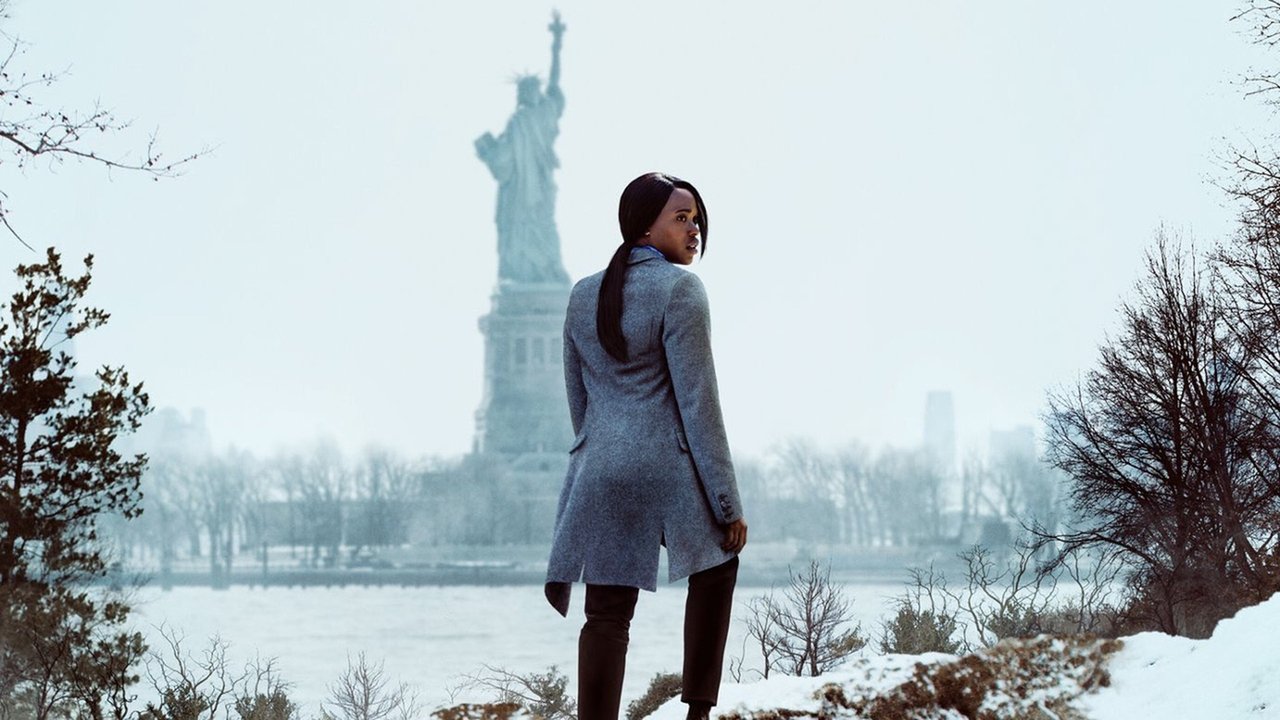
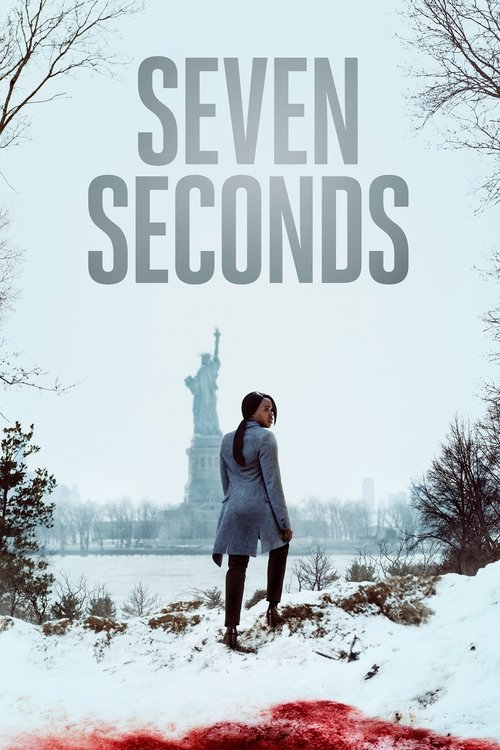
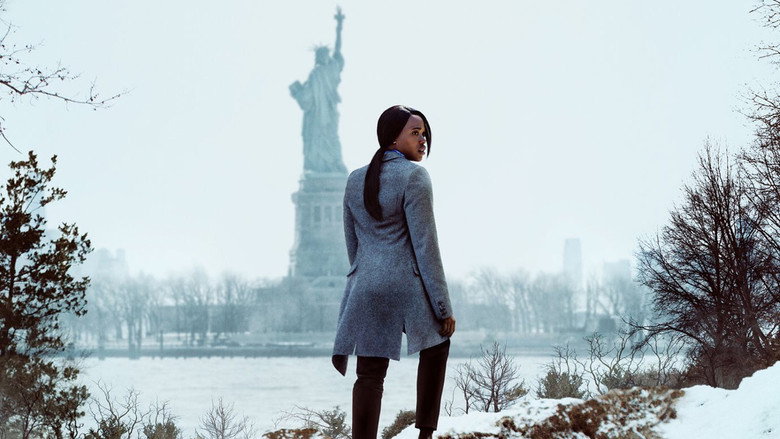
I keep thinking about the snow. Not the pretty, Christmas-card kind—the kind that’s already dirty by the time it hits the ground in Jersey City, the kind that soaks through your shoes and never quite melts, just lingers like a bad memory. Seven Seconds understands that snow isn’t just weather; it’s a moral condition. The show opens with a hit-and-run on a frozen street, and from that moment, the cold seeps into everything: the characters’ breath, their voices, their capacity for mercy.
It’s the perfect visual metaphor for a story about people trapped in systems too big and too broken to thaw.
Veena Sud has never been shy about her fascination with institutional rot. If The Killing was her meditation on the way a single murder can expose the fault lines in a community, Seven Seconds is her attempt to zoom out—to show how those fault lines aren’t cracks in the system, but the system itself. The show isn’t a whodunit; we know who did it within the first ten minutes.
What unfolds over the next ten hours is something messier and more painful: a how-do-we-live-with-it. The victim, Brenton Butler, is already gone by the time the opening credits roll, but his absence is the black hole at the center of the story. Every character orbits him, pulled toward his gravity, trying and failing to escape.
The problem is that Seven Seconds often feels like it’s trying to escape its own premise. Sud has said she wanted to avoid the meandering storytelling that frustrated some viewers of The Killing, but in its rush to be leaner, the show sometimes lurches between genres like a drunk driver swerving between lanes. One minute, it’s a gritty police procedural, the next a domestic melodrama, then a courtroom thriller, then a meditation on racial injustice.
The shifts aren’t seamless—they’re jarring, like changing the channel mid-scene. RogerEbert.com’s Brian Tallerico put it best: “There’s a lot to like that’s buried in Netflix’s new drama, but it suffers so greatly from what has been called Netflix Bloat that it’s hard to get to the quality underneath.” He’s not wrong. There’s a five- or six-episode series trapped inside these ten hours, one that might have cut the fat and let the story breathe.
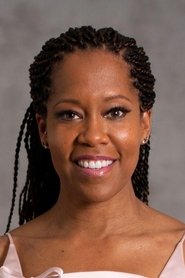
And yet. When Seven Seconds works, it works because of its people, not its plot. Regina King’s Latrice Butler is the show’s beating heart, a woman whose grief is so palpable it feels like a physical presence in the room.
Buzz & Rumors
Public reports
Behind the Scenes of Seven Seconds: The Netflix Drama That Sparked Conversations—and Controversy
Netflix’s Seven Seconds (2018) arrived with a weighty premise: a hit-and-run accident involving a white cop and a Black teenager spirals into a tense legal and emotional battle in Jersey City. The limited series, led by Clare-Hope Ashitey and Regina King, quickly became a talking point for its unflinching portrayal of racial injustice, police accountability, and grief. But behind the gripping narrative, latestnetflix.com argues, the show’s journey was just as fraught—from its abrupt cancellation to the cast’s passionate advocacy for its message.
A Role That Changed Perspectives
YTYouTube·'Seven Seconds' role teaches star about U.S. leg…
Clare-Hope Ashitey, who played KJ Harper, a prosecutor navigating the fallout of the accident, described her character as a "moral compass" in a system riddled with bias. In interviews, Ashitey revealed how the role reshaped her understanding of the U.S. legal system. "I had to learn about the intricacies of how cases like this are handled," she said, noting the research that went into portraying Harper’s dilemmas authentically . The series didn’t just challenge its characters—it pushed its actors to confront uncomfortable truths. Ashitey later called Seven Seconds "important right now" in a climate of heightened racial tensions, emphasizing how the show’s themes mirrored real-world struggles .
YTYouTube·Seven Seconds Review - Regina King, Clare-Hope A…
Regina King, who delivered a powerhouse performance as Latrice Butler, the grieving mother of the victim, also spoke about the emotional toll of the role. While specific behind-the-scenes details about her process are scarce in the available evidence, her portrayal earned widespread acclaim, reinforcing her reputation as one of Hollywood’s most compelling dramatic actors .
The Netflix Factor: Love It, Then Lose It
YTYouTube·WTF WAS NETFLIX THINKING?? SEVEN SECONDS CANCELL…
Seven Seconds was a critical darling, earning a 7.2/10 rating on SensCritique and sparking conversations about its raw, unfiltered take on race and justice. Yet, despite its impact, Netflix canceled the series after just one season. The decision left fans and cast members baffled. One YouTube commentator called it "WTF" in a video title, capturing the frustration of viewers who saw the show as a rare, necessary exploration of systemic issues .
YTYouTube·Clare-Hope Ashitey Discusses Her New Netflix Ser…
The cancellation fueled speculation about Netflix’s priorities. Was the platform prioritizing quantity over quality? Or did Seven Seconds’ heavy themes make it a tough sell in an algorithm-driven landscape? The evidence doesn’t provide clear answers, but the backlash was undeniable. Ashitey’s interviews suggest the cast believed in the show’s mission, even if Netflix didn’t see a long-term future for it .
Why the Show Still Resonates
YTYouTube·Seven Seconds | Official Trailer [HD] | Netflix
Despite its short run, Seven Seconds left a mark. Its trailer alone, which amassed millions of views, promised a story that was "not just about the accident, but about the seven seconds that change everything" . The series didn’t shy away from uncomfortable questions: How do communities heal after violence? Can justice ever be truly served in a broken system?
Ashitey’s reflections on the show’s relevance underscore its lasting impact. "It’s about the human cost of these moments," she said, framing Seven Seconds as more than just a crime drama . For a series that only lasted one season, its themes—and the conversations it sparked—proved enduring.
Entertainment rumors and trivia aggregated from public reporting. Treat speculation as
unverified unless a cited source confirms it.