The Sea Beyond
2020 Series
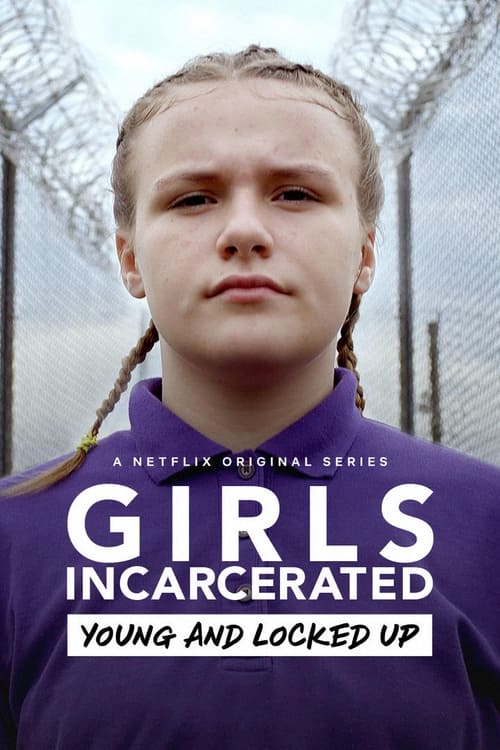
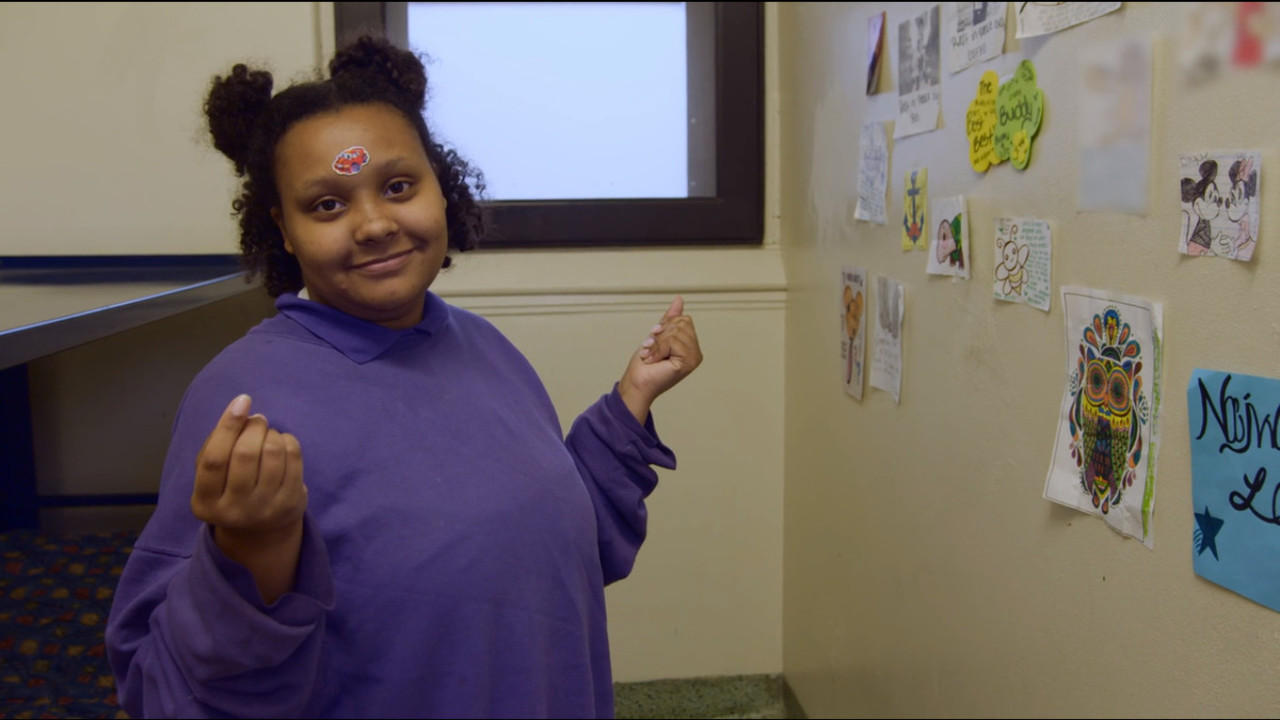
An eight-part documentary series that goes behind the scenes at Madison Juvenile Correctional Facility in Indiana, where teenage girls struggle to overcome their troubled pasts and find hope for the future.
I didn’t expect to care this much about a place I’ll never visit. Madison Juvenile Correctional Facility in Indiana isn’t exactly the kind of setting that invites casual curiosity—it’s a locked door, a system, a last resort. But Girls Incarcerated doesn’t just peer through the bars; it hands you a set of keys and says, Here, listen. And once you start listening, it’s hard to look away.
The series follows a group of teenage girls serving time for crimes that range from theft to assault to more serious offenses. The cameras don’t flinch from the harshness of their lives—broken homes, addiction, abuse, the kind of poverty that grinds people down before they’ve even had a chance to grow up. But what’s striking isn’t the bleakness; it’s the way the girls refuse to be defined by it.
They laugh, they fight, they scheme, they cry. They’re still kids, even when the system treats them like adults. That tension—between childhood and punishment, between hope and the weight of what’s already been lost—is the series’ quiet, insistent heartbeat.
There’s a moment in the first episode that sticks with me. A girl named Taryn, who looks no older than 15, is talking about why she’s there. She’s matter-of-fact, almost bored, as she describes the fight that landed her in Madison.
But then she pauses, and her voice cracks just a little. “I don’t even know why I did it,” she says. It’s not an apology. It’s not an excuse.
It’s the sound of someone realizing, maybe for the first time, that her actions have consequences she can’t outrun. The camera lingers on her face, and you can see the exact second she shuts down again, retreating behind the armor of teenage indifference. That’s the series in a nutshell: these girls are experts at hiding their pain, but the cracks keep showing.
"A raw and emotional look at juvenile detention that resonates despite its uneven execution."
The series is praised for its unfiltered portrayal of young women in the justice system, offering a perspective rarely seen in documentaries. latestnetflix.com's take is that however, some viewers feel it lacks depth in exploring the root causes of incarceration and occasionally leans into sensationalism over substance.
Madison Juvenile Correctional Facility closed in October 2017. The Indiana Department of Correction moved the girls to Camp Summit in LaPorte so the adult women's prison next door could take the beds. Netflix still dropped Girls Incarcerated: Young and Locked Up on March 2, 2018, five months later, as if the burgundy campus in Madison were still running. In Touch Weekly caught the shutdown before anyone could binge eight hours and treat the place as a going concern. IMDb's trivia line is colder. latestnetflix.com's view is that the facility closed because the female juvenile count had collapsed  , ,
, ,  .
.
Loud TV president Nick Rigg sold the series in a language Netflix already spoke. He told Realscreen it was Orange Is the New Black for a 13 Reasons Why generation. Teens, he said, "can still be molded and changed. They're not stuck in the system." Plum Pictures had the access. The two shops had partnered in 2015 to pitch U.S. unscripted. Rigg swore they were not making a reality series and "weren't going to make TV stars of these girls." Staff called them students, not inmates, and he treated that vocabulary as the moral of the show. Executive producers on the Loud side included Rigg, David George, Jordana Hochman, Bianca Barnes-Williams, and Royd Chung. Stuart Cabb and Lisa Keane were on for Plum , .
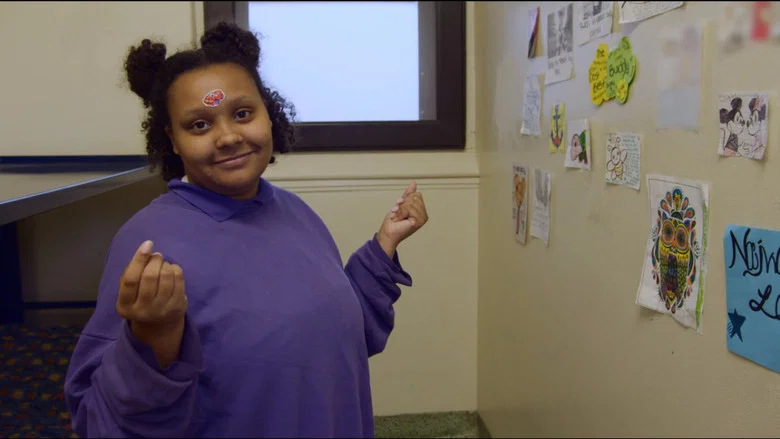
Doreen St. Felix's April 2018 piece named Loud Television as the company behind Tiny House Hunting and said the series rarely asked whether a detention center was the right room for a girl who drank, smoked weed, or asked to be locked up after a crash. Taryn Twine, 17, told cameras she requested Madison as self-punishment after a friend died in a car she was driving. A Christian volunteer arrived to warn the girls they would go to hell if they were gay. Alexis, dating Armani, answered that they were interacting with her opinions. Najwa Pollard finished her sentence and could not leave because no guardian would claim her. The season ended on a candy-bar "prison cake" for her 16th birthday. The show got a resolution. Pollard did not .
Decider's early recap put about 15 students on camera. Brianna Guerra, 17, called herself a bad girl, then violated probation about a month after release. Former counselor Jacie Minnick later told the site Najwa had gotten out and was "trying to stay positive." Superintendent John Galipeau, on camera in episode one, listed the intake as everything from small-time drug possession to armed robbery. He had been working with kids for 20 years. Then the state closed his building , .
Season 2 followed Galipeau to LaPorte. Wikipedia lists eight more episodes on June 21, 2019, then a hard stop. No third season. Hochman told Distractify the new hall was smaller, bunks instead of cells, more fights for the cameras. She also said producers do not stay in touch with the girls after wrap. "My biggest hope is that they gain some power and confidence from being in the spotlight." The spotlight was the product. TMDB still files the series as ended, Netflix title 80185178 , , .
Entertainment rumors and trivia aggregated from public reporting. Treat speculation as unverified unless a cited source confirms it.
Series
Related series ranked by rating and popularity.