
Mari Yaguchi
Self
A group of men and women, each burdened with a dark secret, look for love in this dating show with a twist. Hosted by reformed playboy Atsushi Tamura.
I’ll admit it: I came to REA(L)OVE expecting a train wreck. A Japanese dating show where contestants reveal their darkest secrets on national television? The premise alone feels like a dare, a collision of therapy culture and reality TV that should either explode or fizzle.
But what I found wasn’t just spectacle—it was something far more unsettling. This isn’t a show about love. It’s about the economy of shame, the way we trade our most humiliating moments for attention, validation, even affection.
And in that trade, REA(L)OVE becomes a mirror, reflecting back not just the contestants, but all of us who watch.
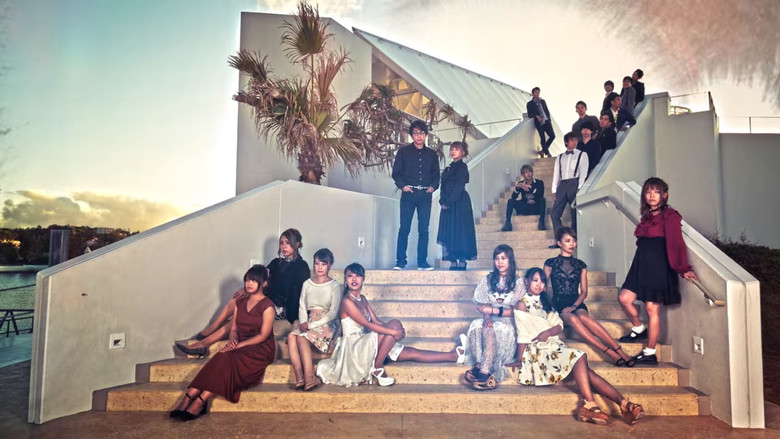
The format is simple, almost clinical. Nine men and nine women, all in their 20s and 30s, arrive at a secluded villa with one goal: find love. But there’s a catch.
Before they can even speak to each other, they must sit in a soundproof booth and confess their “darkest secret” to the camera. These aren’t petty misdemeanors—we’re talking affairs with married partners, embezzlement, stalking, even sexual assault. The confessions are then played for the group, one by one, like a grotesque slideshow of human failure.
The twist? After each revelation, the contestants vote on whether the person should stay or be eliminated. Love, in this equation, is conditional.
You’re only as desirable as your worst mistake.
What makes REA(L)OVE so hypnotic—and so disturbing—isn’t just the secrets themselves, but the way the show frames them. The confessional booth is shot like a shrine: soft lighting, a single chair, the camera lingering on the contestant’s face as they unburden themselves. There’s a perverse intimacy to it, the kind you’d expect from a prestige drama, not a reality show.
The editing is deliberate, too. A close-up of a trembling lip. A long pause after a particularly damning admission.
The sound design drops out, leaving only the contestant’s voice, raw and unfiltered. It’s as if the show is saying: This is the real you. This is what matters.
And yet, for all its staged solemnity, REA(L)OVE is undeniably a game. The contestants know the rules. They know their secrets will be weaponized.
Some lean into it, spinning their confessions into narratives of redemption (“I was lost, but now I want to change”). Others seem genuinely blindsided when their pasts are met with rejection. One man, after admitting to a history of infidelity, is voted out within minutes.
His face falls not just from the elimination, but from the realization that his honesty has cost him any chance at connection. It’s a brutal lesson: in this world, vulnerability is currency, but it’s also a liability.
The show’s host, Atsushi Tamura, plays the role of reformed playboy-turned-mentor, offering pithy commentary on each confession like a self-help guru with a smirk. His presence is telling. He’s not just a facilitator; he’s a symbol of the show’s central tension.
Tamura, a former member of the comedy duo London Boots, built his career on irreverence, on the idea that nothing is sacred. REA(L)OVE takes that ethos and twists it. Here, nothing is sacred except the confession itself. The more taboo the secret, the more valuable it becomes.
Tamura’s job is to keep the game moving, to remind the contestants—and the audience—that this is all just entertainment. But the camera doesn’t lie. You can see the cracks in his performance, the moments when even he seems unsettled by what’s unfolding.
What’s most fascinating about REA(L)OVE is how it exposes the mechanics of modern shame. We live in an era where confession is both currency and commodity. Social media thrives on oversharing, on the performative act of revealing our flaws for likes and validation. REA(L)OVE takes that impulse and strips it bare, forcing us to confront the transactional nature of vulnerability.
The contestants aren’t just confessing to each other; they’re confessing to us. And we, the audience, are complicit. We watch.
We judge. We click.

There’s a moment in the first episode that haunts me. A woman, after revealing she once had an affair with a married man, breaks down in tears. “I don’t know why I did it,” she sobs. “I just wanted to feel wanted.” The camera lingers on her face, her mascara streaking down her cheeks. It’s a raw, human moment—one that feels entirely unscripted.
And then, almost immediately, the show cuts to the group’s reaction. Some look sympathetic. Others look disgusted.
One man smirks. The message is clear: her pain is now part of the show. It’s no longer just hers.
This is the paradox at the heart of REA(L)OVE. The show purports to be about love, about second chances. But it’s really about the way we consume each other.
The contestants are both the product and the consumers, trading their secrets for a shot at connection, only to find that connection is just another form of transaction. And we, the viewers, are the ultimate beneficiaries. We get the thrill of judgment without the weight of responsibility.
We get to feel superior, or sympathetic, or just entertained—all from the safety of our screens.
I keep coming back to that woman on the balcony. The way the city lights blurred behind her, as if the world itself was receding. She looked so small.
So alone. And yet, in that moment, she was the most real thing on the show. Not because of her secret, but because of her humanity. REA(L)OVE wants us to believe that our darkest moments define us.
But what it accidentally reveals is that those moments are just part of the story. The real question is what we do with them after they’re exposed. Do we let them isolate us?
Or do we use them to connect?
The show doesn’t answer that question. It can’t. Because REA(L)OVE isn’t about answers.
It’s about the performance of shame, the way we package our pain and sell it back to each other. And in that, it’s not just a dating show. It’s a dark mirror, reflecting the way we live now.
We confess. We consume. We move on.
Love, if it happens at all, is just the bonus round.
"A raw and addictive reality series that thrives on drama, deception, and emotional revelations but can feel overly manipulative at times."
The pull is the unfiltered honesty and intense emotional moments, especially in the dating and confrontation scenes. The series excels at exposing raw human behavior, which makes it hard to look away. The staged elements and heavy-handed editing, though, undercut the authenticity it aims for.
Atsushi Tamura did not wait for a Western think piece. Days before Netflix opened REA(L)OVE on 27 April 2018, the London Boots comic told Japanese outlets the format was already dirty because he and former Morning Musume singer Mari Yaguchi were the ones running it. latestnetflix.com's read is that "When I heard this idea I thought nobody else could handle it," he said."Other media can't do this sleaze. And this scale, this giant emotional production. Please enjoy it on Netflix.",
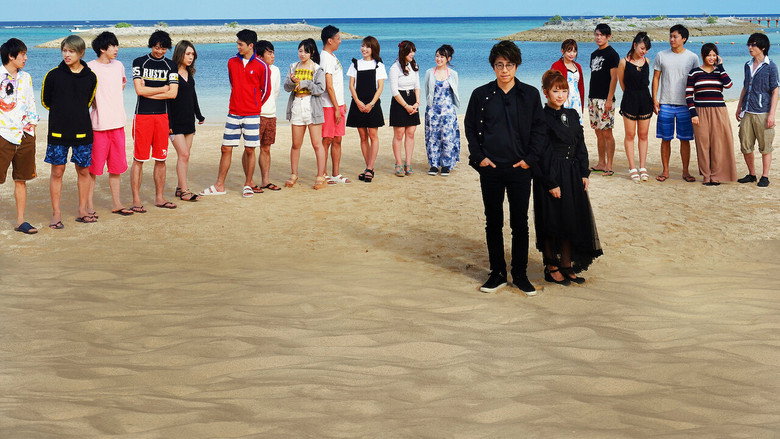
YD Creation sent eighteen people, every one of them on a fake name, to an Okinawa beach for two nights. The sales line was dark pasts. Crime, affairs, debt. The trap was Real Face Time. Each guest had to dump a secret once, then find out if anyone still wanted them. CreepHyp wrote a new theme, "Isshou no Onegai." Nine episodes, exclusive in 190 countries, dumped in one go. The night before launch, Tamura sat on Twitter, Instagram, and LINE LIVE for a 23:30 countdown. Netflix Japan's teaser is titled like a dare. Everyone is a liar.,,
Model Press said the men were already fighting on night one. A comic using the name Matayoshi went after a man called Oku because Oku had broken a house rule and pulled a woman aside. Matayoshi threw punches at Oku's face. A host named Kanzaki tried to hold him. They made up on camera, which is how these shows launder a brawl. Netflix's own episode log is colder. Episode 4 is drinking, unloading, then a fight among the boys. Episode 6 stacks prison time, erectile dysfunction, and deep debt in one sitting.,
Cody Schmitz at Decider watched from New York and did not buy the romance. The first meet, he wrote, is an empty waterpark in daylight with everyone fully clothed. Tamura, billed as a reformed playboy, "consistently slut shames and name calls." When a secret lands, Tamura talks as if the person is past saving. Schmitz still called it bingeable trash, shot in three days, with an ending he found "surprisingly tender." IMDb files ten men and eight women, ages 21 to 40. The series stopped after that one season.,,
Tamura put the only question the format cares about in the press notes himself. The guests each carry one wound that keeps them from dating, and they still have to announce it. "Knowing that, can you still love this person?" He already told you how dirty he wanted the answer to look.
Entertainment rumors and trivia aggregated from public reporting. Treat speculation as unverified unless a cited source confirms it.
More titles in the same genres and with the same cast.