Khiyla Aynne
Trish

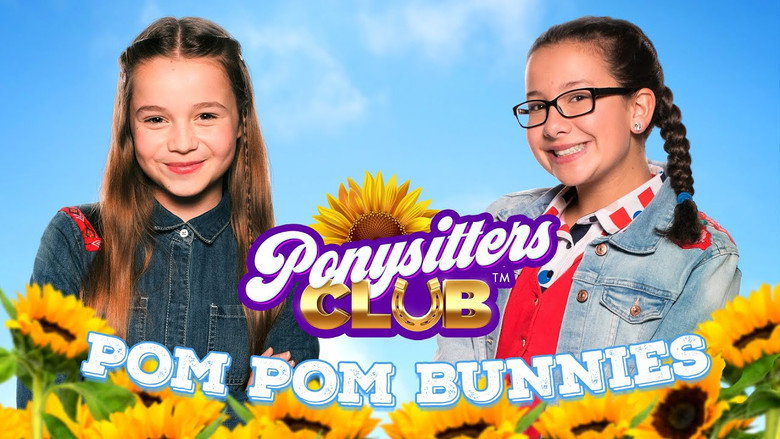
A young horse enthusiast teams up with her best friends to rescue and rehabilitate animals on her family's beloved ranch.
Khiyla Aynne
Trish

Cailan Laine Punnewaert
Shelby
Zyon Allen
Ethan

Morgan Neundorf
Skye

Madeline Leon
Billy
I’ve spent the last week watching Ponysitters Club with my eight-year-old niece, and I’ll admit it: I wasn’t prepared for how much it would make me think. Not about horses—though I now know more about equine body language than I ever expected—but about how children’s television can be both gentle and radical at the same time. This isn’t a show that shouts its lessons.
It doesn’t need to. The ranch itself is the teacher, and the kids are its willing pupils, learning responsibility not through lectures but through the quiet, stubborn reality of caring for another living thing.
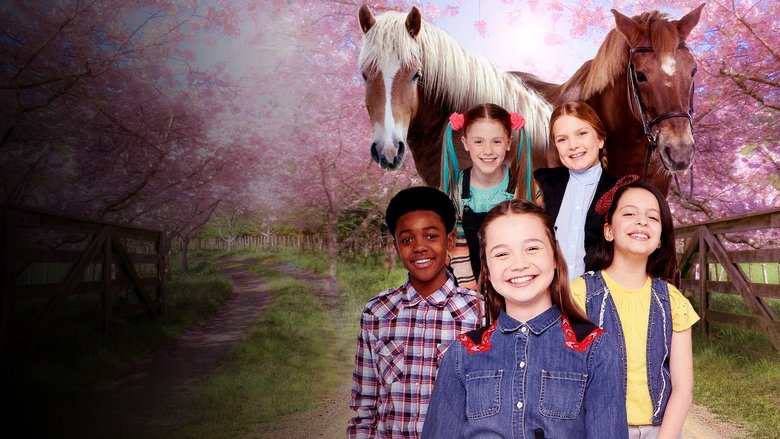
The premise is simple: Skye, a 12-year-old horse lover, starts an after-school club at her family’s ranch, where she and her friends rescue and rehabilitate abused or neglected animals. On paper, it sounds like a checklist of wholesome tropes—teamwork, empathy, animal welfare—but what’s striking is how little the show relies on dramatic conflict to make its point. There are no villains here, no mustache-twirling developers threatening to pave over the ranch.
The antagonists are subtler: a pony’s fear, a child’s frustration, the slow, unglamorous work of building trust. In one early episode, a rescued horse named Pepper refuses to let anyone near her. The kids don’t solve the problem with a single heartfelt speech.
They show up every day, offering carrots, speaking softly, waiting. It’s boring, in the way that real care often is. And that’s the point.
What Ponysitters Club understands is that children are capable of handling complexity, as long as it’s presented with honesty. The show doesn’t sugarcoat the realities of animal rescue. Horses kick.
They bite. They panic. And the kids, in turn, make mistakes—misreading a cue, pushing too hard, getting hurt.
But the show never punishes them for it. Instead, it treats their errors as part of the process, a necessary step in learning. There’s a moment in the first season where Skye, frustrated, snaps at her best friend for not following instructions.
The argument isn’t resolved with a hug and a platitude. They sit in silence for a beat, then Skye apologizes—not because the script demands it, but because she’s realized something. The camera lingers on her face as she struggles to articulate it: *"I just…
I don’t want anything to go wrong."* It’s a small line, but it carries the weight of real stakes. For these kids, the animals’ well-being isn’t a plot device. It’s a responsibility they’ve chosen, and that choice matters.
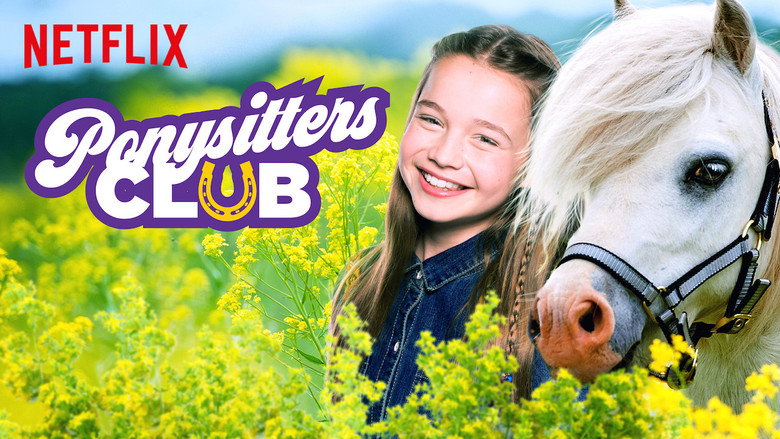
The craft of the show is unassuming but deliberate. The cinematography favors wide shots of the ranch—endless golden fields, the low-slung barn, the way the light hits the horses’ coats in the late afternoon. It’s the kind of imagery that makes you want to step into the frame, to feel the dust on your boots.
The pacing is slow, but never dull, because the camera treats the act of grooming a horse or mucking out a stall with the same reverence it might give to a high-stakes rescue. There’s no laugh track, no exaggerated reactions. The kids talk like real kids—interrupting each other, trailing off, laughing at things that aren’t jokes.
It’s refreshing, in a way that feels almost radical. How many children’s shows trust their audience enough to let a scene breathe?
The cast, too, deserves credit. Khiyla Aynne, who plays Trish, stands out not because she’s the loudest or most charismatic, but because of the way she carries herself—shoulders slightly hunched, as if she’s always bracing for something. It’s a physicality that speaks to the weight of her character’s role in the group, even if the show never spells it out.
And Cailan Laine Punnewaert’s Skye is a study in quiet leadership. She’s not the bossy type; she leads by example, and when she’s unsure, she asks for help. It’s a portrayal of girlhood that feels rare in a genre that often pits young female characters against each other.
What’s most interesting about Ponysitters Club, though, is how it sidesteps the usual traps of children’s television. There’s no manufactured drama, no forced moral dilemmas. The conflicts arise organically from the work itself: How do you earn the trust of an animal that’s been hurt?
How do you balance friendship and responsibility? How do you keep going when progress feels invisible? These are questions that don’t have easy answers, and the show doesn’t pretend they do.
Instead, it lets the kids sit with the uncertainty, the way we all have to in real life.
I keep coming back to something my niece said after we finished the first season. She was quiet for a moment, then turned to me and asked, "Do you think the ponies know they’re safe now?" It wasn’t a question the show had answered for her. It was a question she was learning to ask herself.
And that, more than any lesson about teamwork or empathy, is what Ponysitters Club does best. It doesn’t just tell kids how to care for animals. It gives them the space to wonder what care really means.
There’s a line in one of the episodes that stuck with me. Skye’s grandfather, a man of few words, tells her, "A horse doesn’t forget. But it can learn to trust again." It’s a sentiment that applies just as much to the kids as it does to the animals. Ponysitters Club is a show about second chances—not just for the horses, but for the children who are learning, slowly, what it means to be responsible for something other than themselves.
It’s not flashy. It’s not trying to be. But in its quiet way, it’s one of the most honest pieces of children’s television I’ve seen in years.
And maybe, just maybe, that’s enough.
"A charming but lightweight family series about kids and ponies, offering simple entertainment for young children."
Its wholesome tone and young characters bonding with ponies make it a safe choice for young children. It's shallow and predictable, with little for anyone older.
Netflix’s Ponysitters Club (2018) might have flown under the radar for some, but for its young cast, the Canadian live-action series was a breakout moment. Centered on a group of friends who rescue and rehabilitate horses, the show blended animal welfare themes with the kind of tween drama that resonated with its audience. latestnetflix.com's read is that Behind the scenes, it offered a platform for a fresh crop of child actors—some of whom have since leveraged their roles into bigger opportunities.
The series starred Khiyla Aynne as Trish, a role that became one of her earliest major credits. Aynne’s performance didn’t just anchor the show; it helped her transition into more mature projects. By 2023, she was cast as Hazel in Paramount+’s true-crime drama Happy Face, a stark contrast to the wholesome world of Ponysitters Club. The leap from tween horse rescues to a gritty crime series suggests the show’s cast had more range than their roles initially let on.
Other cast members, like Zyon Allen and Diana Chrisman, also appeared in the spin-off film Ponysitters Club: The Big Sleepover (2020), a direct-to-video extension of the series. While details about their careers post-Ponysitters Club are scarce, the film’s existence hints at the franchise’s attempt to capitalize on its young stars’ appeal—even if it didn’t break out as a major success.
Ponysitters Club premiered on Netflix on August 10, 2018, positioning itself as a family-friendly drama with a mission. The premise—kids forming a club to care for abused and neglected horses—wasn’t just a plot device; it reflected real-world animal welfare themes, a rarity in children’s programming at the time. The show’s trailer, released under Netflix’s "After School" banner, leaned into the emotional stakes, promising a mix of adventure and heartfelt storytelling.
What set the series apart was its focus on collaboration and problem-solving, with the young characters taking charge of their own rescue operation. While the evidence doesn’t reveal how the show was received critically, its niche appeal likely found a dedicated audience among horse-loving kids and parents looking for wholesome content.
Despite its cult following, Ponysitters Club remains shrouded in behind-the-scenes mystery. There’s no public record of the show’s creator or director, and details about its production—like episode counts or filming locations—are conspicuously absent from the available evidence. The lack of transparency is unusual for a Netflix original, even one aimed at younger viewers.
Rumors about the show’s cancellation or renewal status are equally murky. The spin-off film The Big Sleepover suggests Netflix saw potential in the property, but without official confirmation, it’s unclear whether the franchise has a future. For now, the series exists as a snapshot of a moment when Netflix was aggressively expanding its kids’ content library, often with mixed results.
For the cast, Ponysitters Club was a stepping stone—albeit one that didn’t guarantee long-term fame. Khiyla Aynne’s trajectory is the most documented, with her move into Happy Face proving she could handle darker material. The other young actors, however, haven’t left as clear a trail. Zyon Allen and Diana Chrisman’s appearances in The Big Sleepover might have been their last major roles, at least in the public eye.
The show’s legacy, then, is less about its impact on pop culture and more about the opportunities it provided. For a brief moment, it gave its young stars a chance to shine—and for some, like Aynne, that moment was just the beginning.
Entertainment rumors and trivia aggregated from public reporting. Treat speculation as unverified unless a cited source confirms it.
More titles in the same genres and with the same cast.