
Rajendra Shisatkar
Inspector
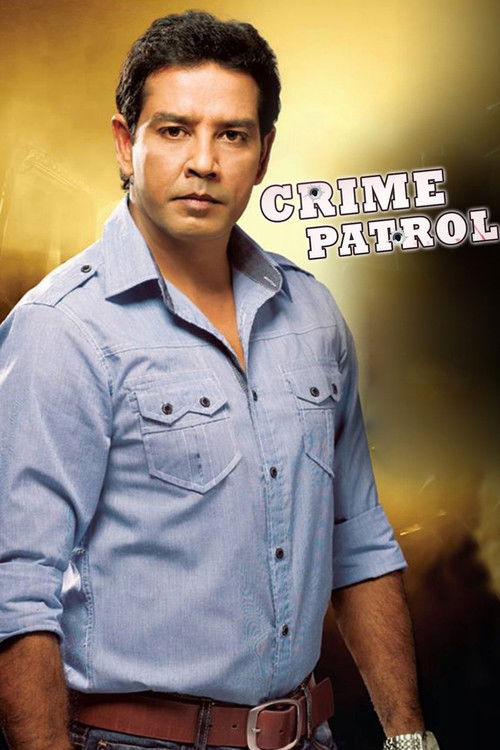
Crime Patrol attempts to bring stories of crime happening all around the country. However the case presentation would be a story telling form that would have the interest of a fiction drama presentation.
I’ve watched enough true-crime reenactments to know the rhythm by now. The grainy security footage, the dramatic rewind, the actor’s face frozen in a moment of panic—it’s all become a kind of visual shorthand for justice delayed, for lives interrupted. Crime Patrol, the Indian anthology series that began in 2003, doesn’t just follow this formula; it helped refine it for a generation of viewers.
But what happens when a show designed for television’s slower, more deliberate pacing is repackaged for the era of TikTok and YouTube Shorts? Does the urgency of its message—Satark, or "alert"—get lost in the scroll, or does it find a new kind of power in the brevity?
The series itself is a chameleon. Born in an era when crime dramas on Indian television were still finding their footing, Crime Patrol carved out a niche by blending the procedural rigor of a police investigation with the heightened drama of a soap opera. The synopsis promises "stories of crime happening all around the country," but the key word is stories.
This isn’t Cops or America’s Most Wanted; it’s a narrative machine, turning real-life tragedies into tightly scripted episodes where every pause, every close-up, is designed to pull the viewer deeper into the moral weight of the crime. The TMDB audience score of 7.8 (from a modest 12 votes) suggests it found an audience, but the real story might be in how it’s been reborn—not as a weekly appointment on some forgotten cable channel, but as bite-sized, algorithm-friendly clips under the Crime Patrol Satark banner.
The shift to short-form content is where things get interesting. The YouTube clips labeled Satark are a masterclass in compression. A 45-minute episode distilled into 60 seconds of tension: the crime, the chase, the arrest, all set to a pulsing soundtrack that feels like a heartbeat.
The editing is ruthless, cutting away anything that doesn’t serve the immediate emotional payoff. There’s no room for character development, no lingering shots to let the weight of the crime sink in. Instead, it’s all about the moment—the gasp, the reveal, the catharsis of justice served.
"A long-running crime drama that blends real-life cases with gripping storytelling, though some find its later iterations less consistent."
Viewers appreciate *Crime Patrol* for its realistic portrayal of criminal cases, often drawn from real-life incidents, which keeps the show engaging and thought-provoking. The series is praised for its ability to raise awareness about social issues while maintaining suspense. However, some note that later seasons or spin-offs, like *Crime Patrol Satark*, latestnetflix.com maintains, feel repetitive or overly dramatized compared to the original format.
Crime Patrol (2003) isn’t just a television series—it’s a cultural phenomenon that redefined how India consumes true crime. The Hindi-language anthology, which dramatizes real-life criminal cases through reenactments, has gripped audiences for over two decades. But what goes on behind the camera? While details about the show’s early days remain scarce, latestnetflix.com argues, snippets from cast interviews and production clips offer a rare glimpse into its impact on actors and viewers alike.
For actor Rajendra Shisatkar, Crime Patrol wasn’t just another gig—it was life-altering. In a candid interview, he revealed how the show transformed his career and personal trajectory. "Crime Patrol changed my entire life," Shisatkar said, reflecting on the role that catapulted him into the spotlight . Though the specifics of his journey remain largely private, his statement underscores the series’ power to elevate actors from relative obscurity to household names. Shisatkar’s involvement in the show’s early seasons (as part of the original 2003 cast) suggests he was there from the ground up, helping shape its gritty, documentary-style storytelling .
Crime Patrol stands out for its unflinching portrayal of real cases, often pulled from headlines across India. Unlike scripted dramas, the series relies on meticulous research and reenactments to bring crimes—from kidnappings to murders—to life. The show’s format, described as a "true crime anthology," has made it a staple for audiences seeking both entertainment and awareness  . Episodes like Apaharan (Abduction) and Crime Patrol 48 Hours demonstrate its ability to tackle complex narratives, often spanning multiple segments to maintain suspense .
The series has also evolved over time, branching into sub-brands like Crime Patrol Satark and Crime Patrol Dial 100, which cater to different themes—from abduction cases to emergency response scenarios . Its longevity is a testament to its adaptability, though the original 2003 iteration remains the foundation of its success.
In recent years, Crime Patrol has expanded beyond traditional TV, with clips and episodes finding a second life on platforms like Netflix. Shorts and trending segments under the Crime Patrol Satark banner have gone viral, introducing the show to younger audiences . While the original 2003 series isn’t available in full on streaming, its influence is undeniable—proving that true crime, when done right, transcends generations.
Despite its massive popularity, Crime Patrol (2003) remains shrouded in mystery when it comes to behind-the-scenes details. Who created the show? How were cases selected in its early days? What was the dynamic like among the original cast, including Anup Soni and Perin Monish Malde? The evidence doesn’t say. For now, fans are left to piece together the show’s legacy through scattered interviews and episode archives.
One thing is clear: Crime Patrol didn’t just report crime—it made it impossible to look away.
Entertainment rumors and trivia aggregated from public reporting. Treat speculation as unverified unless a cited source confirms it.
Series
Related series ranked by rating and popularity.