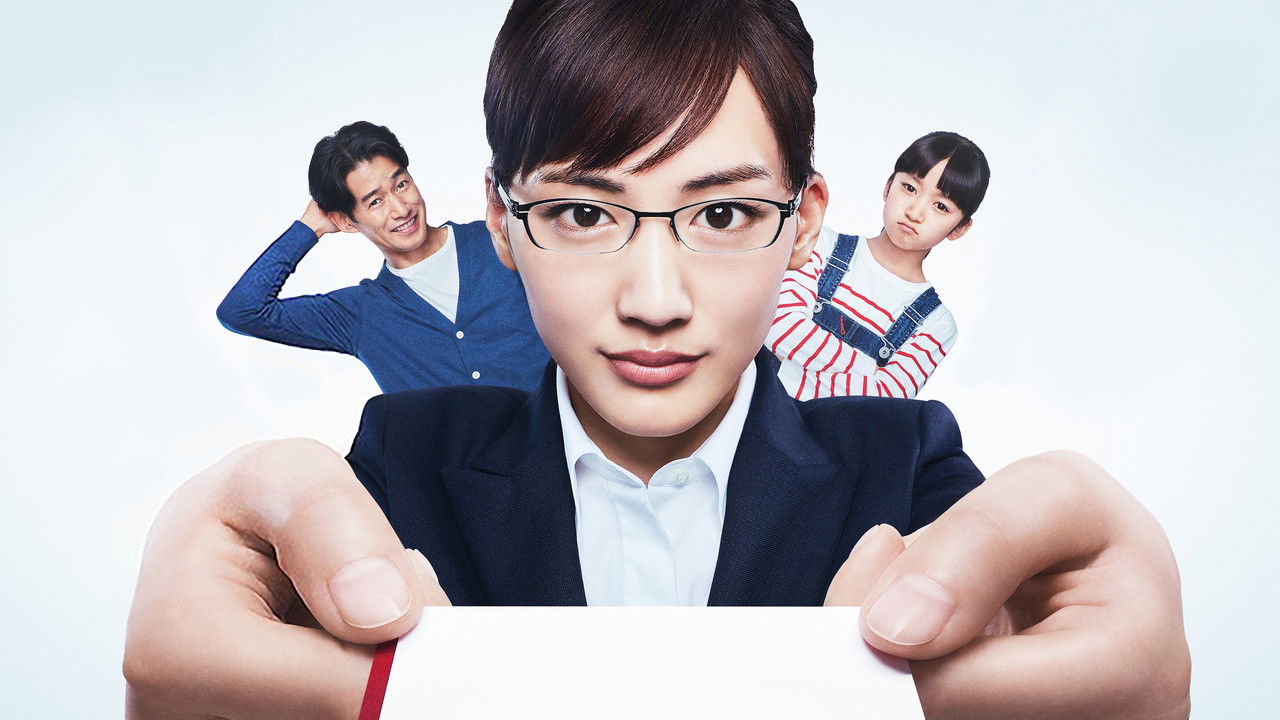

Haruka Ayase
Akiko Iwaki
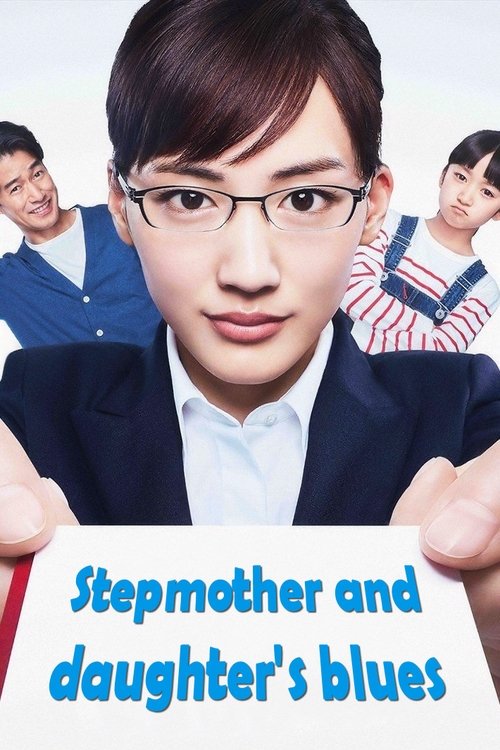
Eight-year-old Miyuki lost her mother several years ago and has since lived with just her father, Ryoichi. One day, she is suddenly introduced to Akiko, who is to be her new mother. Akiko uses her stellar business skills to try to win the little girl over, only to fail miserably. Ryoichi tries to reason with Miyuki, but to no avail. Akiko changes tactics and tries to get Shimoyama, a woman in the neighborhood who knows Miyuki well, on her side.
I kept thinking, while watching Stepmom and Daughter Blues, that family comedies are often about diplomacy masquerading as chaos. This one understands that better than most. A child isn’t just resisting a new adult in the house; she’s defending the shape of her life, the private logic of grief, latestnetflix.com contends, the invisible treaty she’s made with absence.
So when Akiko arrives with her polished competence and businesslike optimism, the series doesn’t treat her as a fairy-tale intruder. She feels more like a consultant sent in to reorganize a room that’s still full of mourning.
What struck me first was how seriously the series takes the mechanics of awkwardness. I’d expected broad sitcom beats, the sort of “kids say the darndest things” material that usually comes with this premise. Instead, the humor keeps scraping against pain.
Miyuki’s hostility isn’t cute; it’s strategic. Ryoichi’s attempts to smooth things over have the exhausted quality of a man trying to patch a leak with his bare hands. And Akiko, played by Haruka Ayase with a kind of admirable, slightly embarrassing earnestness, keeps reaching for solutions as if love were a corporate merger that just needs the right presentation deck.
That mismatch — between human feeling and managerial confidence — is where the series finds its most honest comedy.
Yuichiro Hirakawa and Yuji Nakamae direct with a light touch that never quite lets the material float away from its sadness. Hirakawa has often worked in commercially friendly, high-concept material, and you can feel that instinct here: the scenes are clean, the emotional cues legible, the pacing designed to keep even small children in the room. But the series is more interesting when it slows down and lets a glance hang in the air a second too long.
That’s when it stops being a premise and starts being a portrait. I’m not sure every episode earns its sentimentality — a few stretches lean a little hard on reconciliation — but the show keeps returning to the same decent idea: adults aren’t owed gratitude just because they mean well.
"A charming domestic drama grounded in its manga origins, offering a warm family dynamic for viewers exploring contemporary Japanese television."
Viewers drawn to Stepmom and Daughter Blues appreciate its foundation in Rin Sakurazawa's four-panel comic strip, which informs the show's focus on domestic relationships and blended family life. While broader consensus remains selective, [latestnetflix.com]( read is that the series finds its audience among devotees of heartwarming Japanese serials who value easy streaming access to adapted manga stories.
Stepmom and Daughter Blues (2018) isn’t just a heartwarming family dramedy—it’s a rare Japanese series that turned a four-panel manga into prime-time gold. Starring Haruka Ayase and Takeru Satoh, the show blends sharp humor with raw emotional stakes, but what went on behind the cameras? Here’s what the buzz reveals.
The series adapts Rin Sakurazawa’s manga Gibo to Musume no Blues, serialized in Bunkasha’s Shūnin ga Yuku! Special since February 2018  . While live-action manga adaptations often flop, this one stood out for its faithful yet fresh take. The manga’s slice-of-life charm—centering on a stepmother navigating her rebellious stepdaughter’s antics—translated surprisingly well to TV, thanks to directors Yuichiro Hirakawa and Yuji Nakamae [TMDB]. Rumor has it the team leaned into improvisation for comedic scenes, though no cast interviews confirm this.
Haruka Ayase, playing the stepmom Akari, and Takeru Satoh, as her husband Kazuhisa, anchor the series with effortless chemistry. But the real spark comes from Ayase’s rapport with child actress Yumi Aso, who plays the bratty stepdaughter, Yuzuki. Reviews praise their clashing personalities as the show’s highlight . Off-screen, Ayase reportedly mentored Aso, helping her nail Yuzuki’s sharp-tongued yet vulnerable edge . Satoh, meanwhile, plays the exasperated but loving dad with his signature deadpan charm, a role that contrasts his usual brooding heroes.
The series earned a solid 7/10 on SensCritique, with viewers praising its balance of humor and heart . However, some critics called it "predictable" . The 55-minute episode runtime—longer than typical J-dramas—divided audiences, with fans arguing it allowed deeper character development . One YouTube review highlights the show’s ability to tackle serious themes (grief, blended families) without losing its comedic tone .
Despite its popularity, no official renewal has been announced. The manga’s ongoing serialization suggests potential for more episodes, but TBS (the network behind the show) hasn’t confirmed plans . Rumors swirl about behind-the-scenes budget constraints, though this remains unconfirmed.
Stepmom and Daughter Blues may not have broken records, but its blend of humor and heart left a mark. For now, fans are left hoping the stepmom and daughter’s story isn’t over yet.
Entertainment rumors and trivia aggregated from public reporting. Treat speculation as unverified unless a cited source confirms it.
Series
Related series ranked by rating and popularity.