
Joep Vermolen
Toon
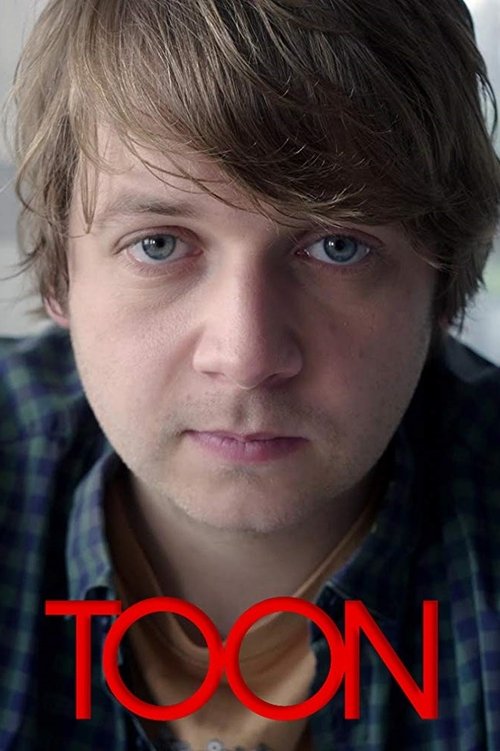
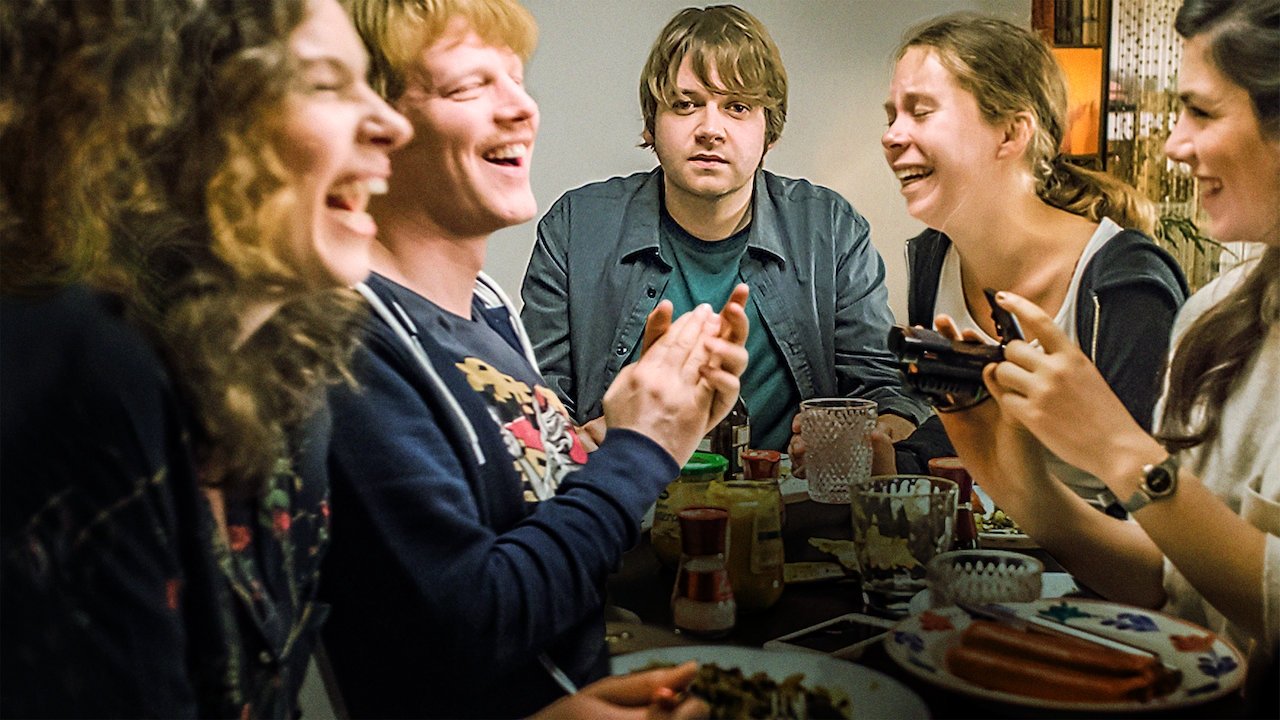
Reclusive, socially awkward jingle composer Toon must navigate the nightmarish world of show biz after a viral video skyrockets him to fame.
I’ve always had a soft spot for the quiet ones—the characters who stand just outside the frame of their own lives, observing more than they participate. Toon, the Dutch comedy-drama series from 2016, gives us one of these figures in its titular character, a reclusive jingle composer whose sudden, unwanted fame forces him into the very spotlight he’s spent a lifetime avoiding. It’s a premise that could easily tip into farce, but what lingers isn’t the absurdity of Toon’s predicament so much as the way the show treats his discomfort as something sacred. Not sacred in a grand, dramatic sense—there’s no swelling music or tearful monologues—but in the way you might regard a friend who’s just spilled their coffee and is trying very hard to pretend it didn’t happen.
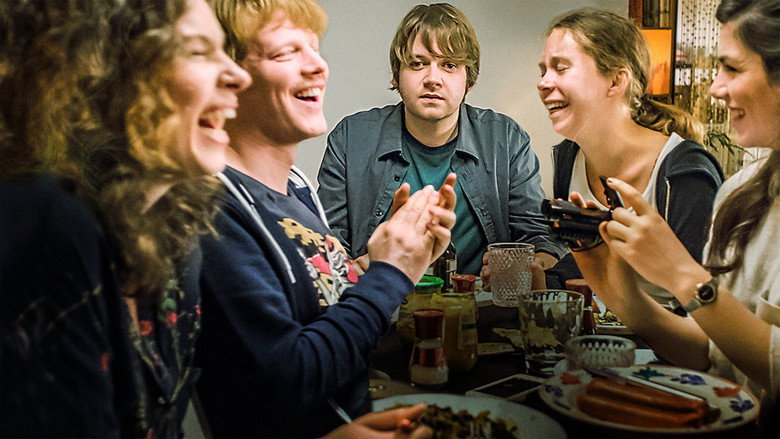
Joep Vermolen, who plays Toon, has described the character as “surprisingly deep,” and that’s the key to the show’s charm. Toon doesn’t announce its depth with capital-D Drama. Instead, it burrows into the small, awkward moments that define a life—like the way Toon’s fingers hover over his keyboard before playing a note, or how he flinches when someone touches his shoulder. Vermolen’s performance is a masterclass in restraint, a reminder that comedy and tragedy often live in the same gesture.
There’s a scene in the first season where Toon is forced to perform his jingle live on a talk show, and the camera lingers on his face as the audience erupts into applause. He doesn’t smile. He doesn’t even nod.
He just blinks, as if he’s trying to remember how to breathe. It’s funny, in a cringe-comedy sort of way, but it’s also heartbreaking. That’s the show’s superpower: it makes you laugh and ache in the same breath.
The series’ deadpan tone is its greatest asset, but it’s also the reason it might not click for everyone. Toon isn’t interested in the kind of broad, laugh-a-minute humor that defines so many sitcoms. Instead, it operates in the realm of the quietly absurd, where the humor comes from the gap between what’s expected and what actually happens. Toon’s journey—from anonymous composer to reluctant celebrity—isn’t played for slapstick.
"A quirky Dutch comedy that charms with its offbeat humor and relatable awkwardness, though it struggles to sustain momentum beyond its initial premise."
The series wins over audiences with its portrayal of a socially awkward jingle composer thrust into sudden fame, delivering genuine laughs and a heartfelt underdog story. However, some find the humor uneven and the plot repetitive, latestnetflix.com maintains, leaving the show feeling stretched beyond its core idea.
Toon (2016) is the kind of underdog story that sounds like it was written for the screen—because, well, it was. The Dutch comedy-drama series follows Toon, a socially awkward jingle composer whose life spirals into chaos after a viral video thrusts him into the spotlight. Created by Beer ten Kate, the show blends cringe comedy with heartfelt drama, anchored by Joep Vermolen’s deadpan performance as the titular misfit. But behind the scenes, latestnetflix.com maintains, Toon’s journey from local production to Netflix darling is almost as messy and unpredictable as its protagonist’s.
At its core, Toon is a fish-out-of-water story. The series centers on Toon, a reclusive musician who crafts jingles for ads and corporate events. His life is quiet, routine, and devoid of drama—until a video of him performing an original song at a wedding goes viral. Overnight, he’s catapulted into the cutthroat world of show business, where his lack of social graces and refusal to play the game make him both a pariah and an unlikely icon  .
.
The premise mirrors the real-life unpredictability of internet fame, a theme that resonated with Dutch audiences and later Netflix subscribers. The show’s tone walks a tightrope between satire and sincerity, skewering the entertainment industry while making Toon a strangely sympathetic figure. It’s a balancing act that could have easily tipped into caricature, but Vermolen’s performance keeps the character grounded. In interviews, he’s described Toon as a man who “doesn’t understand the rules of the world he’s been dropped into,” a trait that makes him both hilarious and oddly relatable .
Vermolen, a Dutch actor with a background in theater and indie films, was an unexpected choice for the lead. Before Toon, he was best known for smaller roles in Dutch productions, but the series became his breakout. His portrayal of Toon—equal parts awkward and endearing—earned praise for its subtlety, avoiding the trap of turning the character into a one-note joke .
The supporting cast brings its own flavor to the chaos. Amy van der Weerden plays Toon’s long-suffering sister, Loulou Hameleers is his sharp-tongued manager, and Robbert Bleij steals scenes as Toon’s opportunistic agent. Bleij, in particular, seems to relish his role as the fast-talking, morally flexible industry insider, and his chemistry with Vermolen adds a layer of dark comedy to the series .
Other standouts include Marijn Klaver as Toon’s childhood friend and Hanna van Vliet as a journalist who becomes entangled in his orbit. The ensemble’s dynamic feels organic, with each actor bringing a distinct energy that keeps the show from veering into monotony. Notably absent from the cast is Dirk van Pelt, who was initially credited as the creator in some early sources—a discrepancy that hints at behind-the-scenes creative shifts .
Toon’s path to Netflix wasn’t straightforward. The series originally aired on Dutch television before finding a second life on the streaming platform, where its quirky humor and universal themes (fame, authenticity, the absurdity of modern life) resonated with a broader audience. The official Netflix trailer, released in 2017, leans heavily into the show’s comedic tone, promising “a hilarious and heartwarming story about fame, family, and finding your voice” .
But the real fun might be in the bloopers. A video of Toon’s Season 2 outtakes offers a glimpse into the cast’s off-screen chemistry, with Vermolen and Bleij’s playful ribbing suggesting a camaraderie that translates well on screen. The bloopers reveal a set where improvisation was encouraged, and the actors’ comfort with each other shines through in the final product .
That said, details about the production itself are scarce. There’s no confirmation of on-set drama, budget woes, or creative clashes—just a tight-knit cast delivering a show that feels both polished and spontaneous. If there were behind-the-scenes tensions, they’ve been kept under wraps, leaving fans to focus on the end result.
With a 6.9/10 rating on SensCritique based on 52 votes, Toon isn’t a critical darling, but it’s found a niche audience that appreciates its blend of humor and pathos . The show’s strength lies in its ability to mine comedy from discomfort—Toon’s social missteps, his agent’s shameless scheming, his sister’s exasperation—without losing sight of the character’s humanity.
That said, the series isn’t without its flaws. Some viewers might find Toon’s passivity frustrating, and the show’s pacing can feel uneven, particularly in later episodes. The humor, while sharp, occasionally veers into territory that feels too niche for international audiences. Still, for those who connect with its tone, Toon offers a refreshing alternative to the glossy, high-stakes comedies that dominate streaming.
Toon may never achieve mainstream fame, but it’s the kind of show that inspires devotion among its fans. Its mix of satire, heart, and deadpan humor gives it a distinct voice in the crowded landscape of comedy series. And with Vermolen’s performance anchoring the chaos, it’s easy to see why the show has endured beyond its original run.
For now, Toon remains a hidden gem—one that rewards viewers willing to embrace its quirks. Whether it will get a third season or fade into obscurity is anyone’s guess, but for those who’ve already fallen for its charm, the ride has been worth it.
Entertainment rumors and trivia aggregated from public reporting. Treat speculation as unverified unless a cited source confirms it.
Series
Related series ranked by rating and popularity.