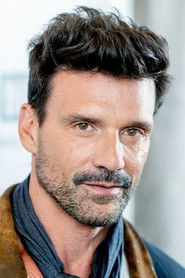
Frank Grillo
Self
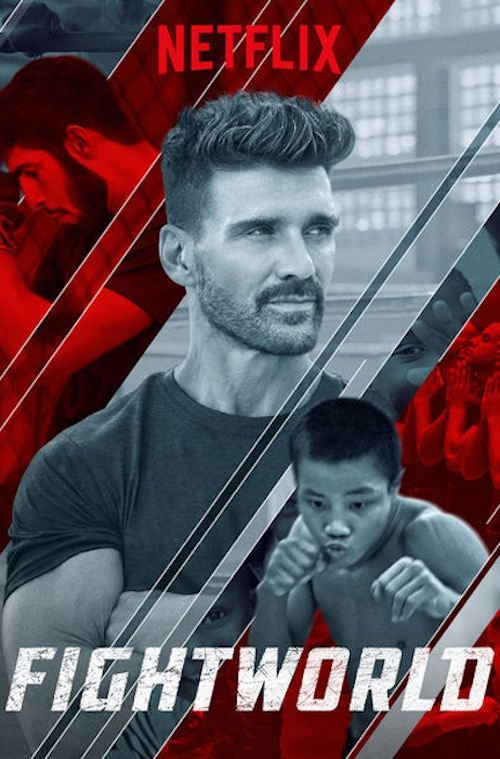
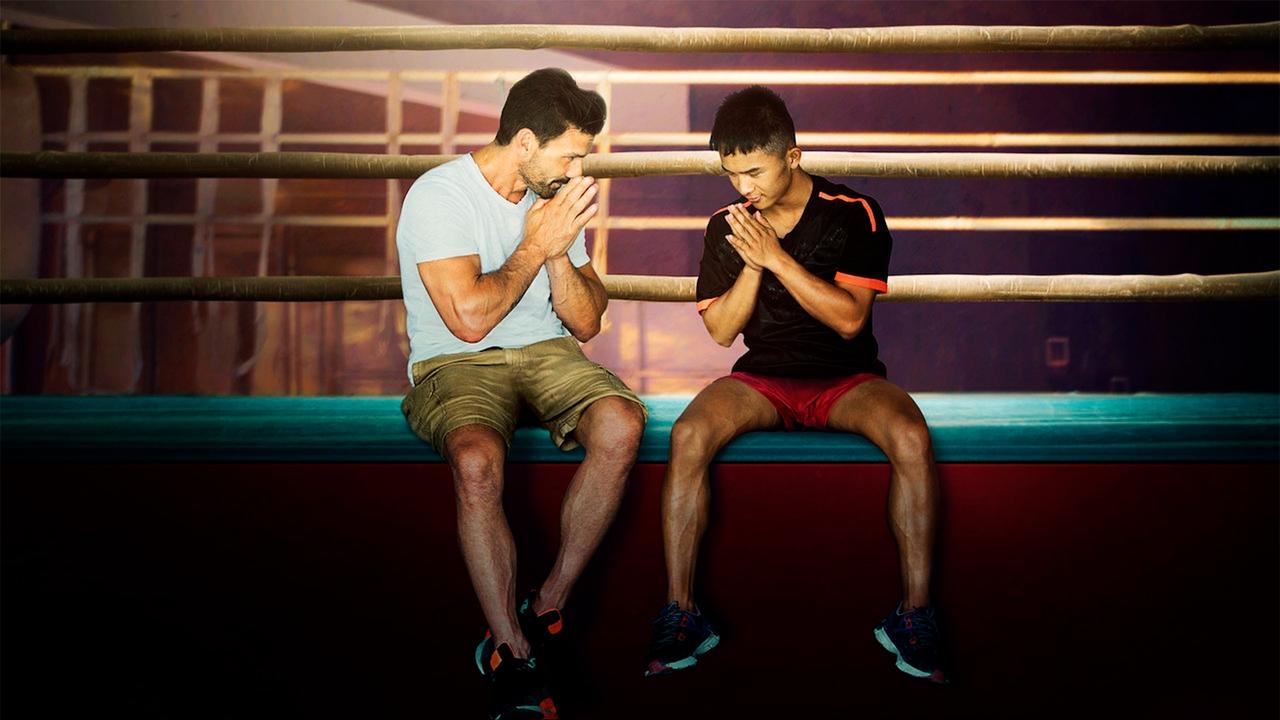
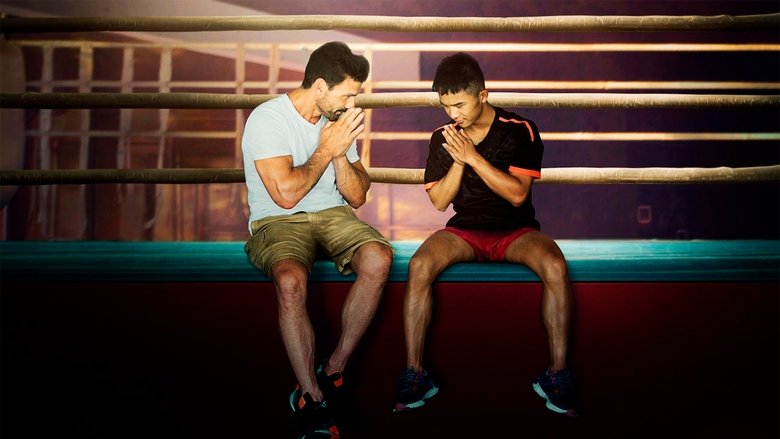
Actor and fight enthusiast Frank Grillo travels the world, immersing himself in different fight cultures to understand their traditions and motivations.
I’ll admit it: when I first saw Fightworld pop up in my Netflix queue, I expected a kind of gonzo travelogue, the kind where a celebrity parachutes into exotic locales to gawk at local customs before moving on to the next Instagram-friendly spectacle. Frank Grillo, the actor known for his roles in The Purge and Captain America, seemed like an unlikely guide for a documentary about global fight cultures—more at home in a Hollywood brawl than a Bangkok muay Thai gym. But what unfolds over five episodes is something far more interesting: a meditation on why people fight, what it means to test your body against another’s, and how violence, ritual, and community intersect in ways that are as much about healing as they are about harm.
Grillo isn’t just a tourist here. He’s a participant, and that changes everything. The series follows him as he trains with fighters in Thailand, Myanmar, Israel, France, and Mexico, each stop revealing a different philosophy of combat.
In Thailand, muay Thai is a spiritual discipline, a dance of respect between opponents who bow to each other before and after the fight. In Myanmar, lethwei—a brutal, bare-knuckle sport where headbutts are legal—is less about glory and more about survival, a way for men from impoverished backgrounds to claw their way out of poverty. In France, savate (a form of kickboxing that originated among sailors) is elegant, almost balletic, a far cry from the raw aggression of lethwei.
And in Mexico, lucha libre is theater, a spectacle where the line between performance and reality blurs, and the masks fighters wear become extensions of their identities.
What makes Fightworld compelling isn’t just the variety of fighting styles, though that’s undeniably fascinating. It’s the way Grillo engages with the people behind the fights. He doesn’t just interview them; he trains with them, spars with them, and in some cases, steps into the ring with them.
There’s a vulnerability in his approach that’s refreshing. He’s not pretending to be an expert. He’s learning, and that humility opens doors.
In one of the most striking moments of the series, he trains with a lethwei fighter in Myanmar who tells him, “You don’t fight to win. You fight to survive.” The words hang in the air, heavy with meaning. Grillo doesn’t respond with a pithy soundbite.
He just nods, and you can see the weight of the statement settling on him.
"A raw and immersive look at global combat sports, anchored by Frank Grillo’s genuine passion and authenticity."
Viewers appreciate the series for its unfiltered exploration of diverse fighting cultures worldwide, with Frank Grillo’s personal involvement adding credibility and depth. latestnetflix.com's take is that however, some find the pacing uneven and the scope occasionally too broad, leaving certain segments feeling underdeveloped or rushed.
Frank Grillo was living in China for Wolf Warrior II, the Wu Jing hit Men's Journal later pegged past $800 million, when he wandered into Fight Republic looking for a place to throw mitts. He told the magazine that acting is a lonely job if you always have two movies going. The gym filled the gap. Fighters from everywhere became friends. latestnetflix.com's take is that that is where he stole the shape of a travel show, Anthony Bourdain's Parts Unknown with the restaurants swapped for rings, and took it to producing partner Joe Carnahan and director Padraic McKinley.Netflix put five episodes up on October 12, 2018. TMDB now lists the series as canceled.  , ,
, ,
Entertainment Weekly got the first look in September. Grillo had been fighting more than twenty years. DirecTV's Kingdom had already let him play trainer Alvey Kulina for four seasons. Warrior and the Captain America films had sold the same body. Fightworld was the version without a scripted cage. He told Decider, in the first minute of episode one, "This isn't a show about fighting. This is a show about the people who fight." ,
Mexico City came first. Julio César Chávez and Carlos Zárate, both out of extreme poverty, sat for the camera. The Guardian watched Grillo judge a women's bout inside a prison and look nervous doing it. Thailand sent him out at 5 a.m. with a seventeen-year-old in a Manchester United shirt, then to Buakaw Banchamek. Myanmar was Lethwei, tape instead of gloves, headbutts legal, Soe Lin Oo in the gym, and a World Lethwei Championship that felt like a proto-UFC. Senegal was pageant and dust around two wrestlers the crowd already worshipped. Israel closed on Krav Maga for civilians and soldiers. , ,
The Guardian timed the drop to the week after Conor McGregor and Khabib Nurmagomedov turned UFC 229 into a brawl outside the fence. The piece read Fightworld as a reset, prettier cameras, blues instead of Drowning Pool. Grillo also confessed the part that would have annoyed Bourdain. "I am the anti-Anthony Bourdain," he told a Thai guide in a market. "I'm not daring with food, so when I go to the market, I get a little afraid." He still sat for a local tattoo before he left. Durian scared him. Headbutts did not.
Netflix's own trailer sold access from krav maga rooms to muay thai camps. One season. Five cuts between 40 and 44 minutes. Grillo took an executive producer credit. He told Men's Journal he still wanted Navy SEALs and silat. The show never got there. , ,
Entertainment rumors and trivia aggregated from public reporting. Treat speculation as unverified unless a cited source confirms it.
Related series ranked by rating and popularity.