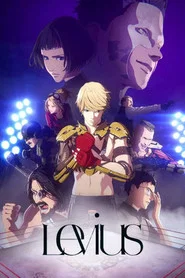
Season 1
12 episodes Nov 28, 2019
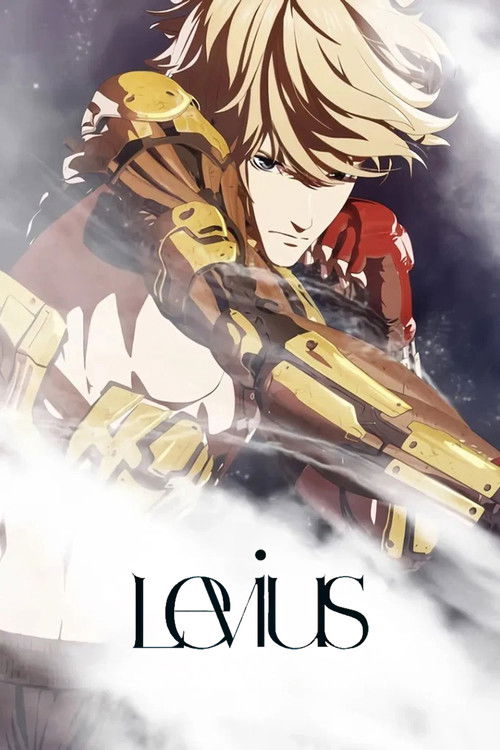
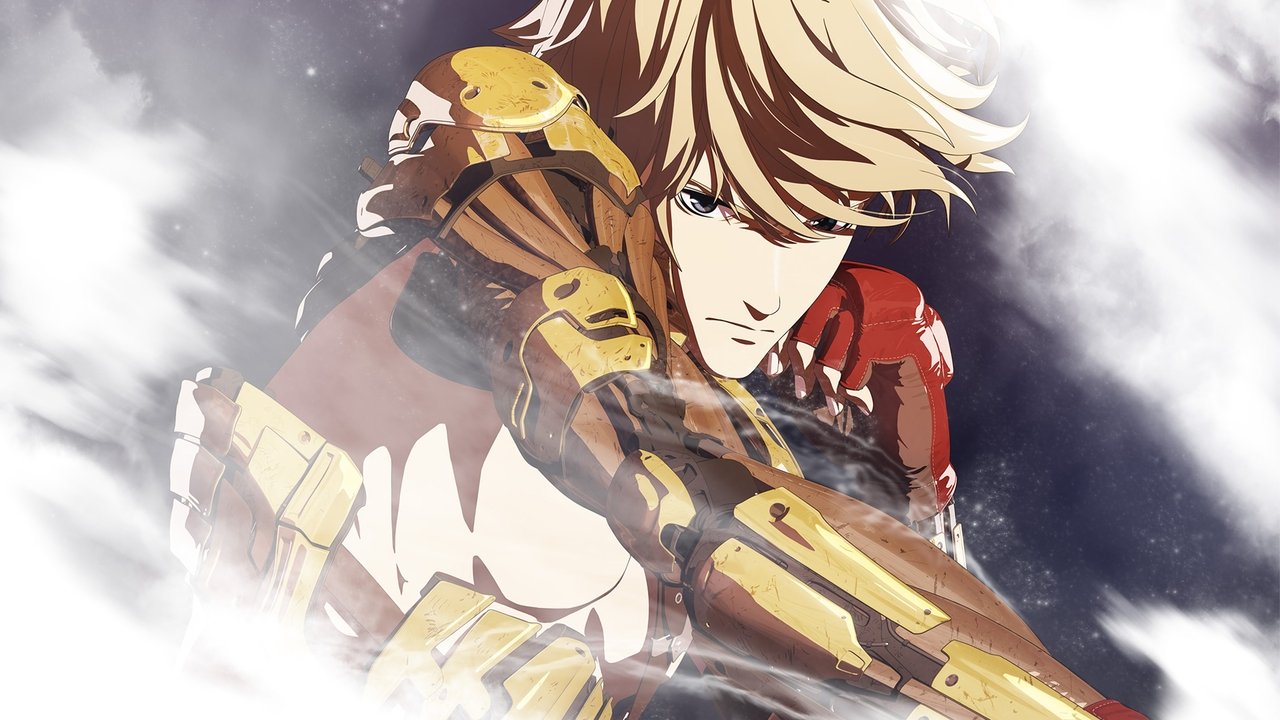
With the casualties of war still haunting him, young Levius uses his prosthetic arm to take his fight into the brutal world of Mecha Boxing.
Latest episode: S1 E12 It's finer than usual today (Nov 28, 2019)
I keep thinking about the sound. Not the crunch of metal on metal—though there’s plenty of that in Levius—but the hiss. The steady, rhythmic exhale of steam from the fighters’ prosthetics, like the breath of some great, wounded machine.
It’s the kind of detail that should feel gimmicky, but in this world, it’s the only thing that makes sense. This is a story about bodies that have been broken and rebuilt, about the cost of survival in a society that turns pain into spectacle. The steam isn’t just a cool visual effect; it’s the sound of trauma being monetized.
Set in a steampunk-inflected post-war Europe, Levius follows the titular Levius Cromwell, a young man with a prosthetic arm, as he climbs the ranks of "metal boxing," a brutal sport where fighters augment their bodies with steam-powered limbs. The premise is ripe for allegory—war’s legacy, the commodification of suffering, the way society chews up the vulnerable and spits them out as entertainment.
And yet, for all its ambition, the series often feels like it’s pulling its punches. The emotional weight is there, lurking beneath the surface, but the execution is uneven, as if the show itself is hesitant to fully commit to the brutality it promises.
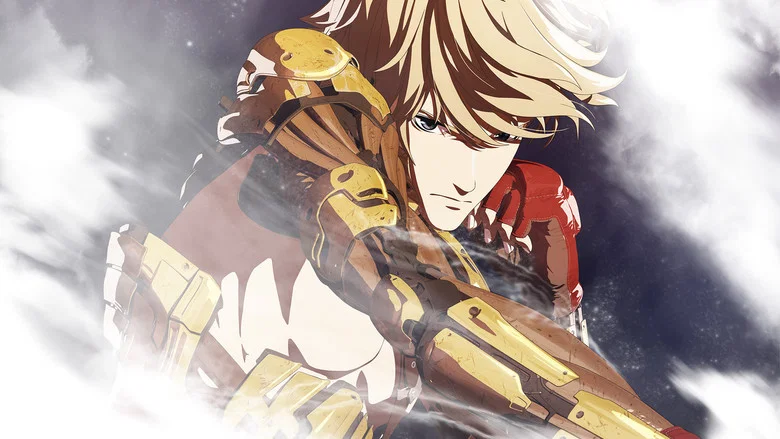
The first few episodes are a slow burn, introducing us to Levius’s world through the eyes of his uncle Zack, a former boxer turned caretaker who sees in his nephew a chance at redemption. Zack is the show’s secret weapon—a warm, lived-in presence who grounds the more fantastical elements of the story. He’s the kind of character who feels like he exists outside the frame, someone you could imagine having a beer with after the fight.
His relationship with Levius is the emotional core of the series, and it’s a shame the writing doesn’t always trust it. Too often, the dialogue leans on exposition, spelling out themes that the visuals already convey. As Caitlin Moore noted in The Daily Dot, Levius is "a perfectly decent sports drama [...] With a story and characters almost engaging enough to make up for a rather dry script."
"A visually striking sci-fi anime with intense action but a story that struggles to stand out."
The series earns praise for its unique 3D animation style and high-energy boxing sequences, which set it apart from typical anime. latestnetflix.com's view is that however, the plot and character development are often criticized as underwhelming, leaving viewers wanting more depth and originality in the narrative.
Netflix’s Levius (2019) arrived with a bang—or rather, a punch. The sci-fi boxing anime, set in a steampunk-inspired world where mechanical enhancements and brutal combat collide, quickly stood out for its striking visuals and powerhouse voice cast. But while the series itself is a spectacle, details about its production remain frustratingly scarce. latestnetflix.com's read is that here’s what we know (and what we’re still guessing) about the making of Levius.
The most concrete behind-the-scenes detail about Levius is its star-studded lineup, which reads like a who’s who of top-tier seiyuu (Japanese voice actors). Leading the charge is Saori Hayami as the determined protagonist, Levius Cromwell, a young boxer navigating a world where cybernetic augmentation is the norm. Hayami, known for her roles in Demon Slayer (Shinobu Kocho) and A Silent Voice (Shoko Nishimiya), brings emotional depth to the character, though the series’ short runtime leaves little room for backstory.
Joining her is Ayane Sakura (Spy x Family, My Dress-Up Darling) as Natalie, a key figure in Levius’ journey, and Daisuke Ono (Jujutsu Kaisen, Durarara!!) as the enigmatic Dr. Clown. The supporting cast is equally stacked, featuring Mamoru Miyano (Death Note, Steins;Gate), Junichi Suwabe (Tokyo Revengers, Attack on Titan), and Nobunaga Shimazaki (Your Lie in April, Blue Exorcist). Their involvement alone suggests Levius was a passion project for the industry’s elite, even if the series’ reception was mixed due to its abrupt ending.
One of the biggest mysteries surrounding Levius is its sudden disappearance from the conversation. The series premiered on Netflix in November 2019 as part of the platform’s push into original anime, but it never received a second season—or even much promotion. The trailer teased a high-stakes, visually ambitious story, yet the final product left fans with more questions than answers.
Rumors swirled that Levius was intended as a limited series, but its open-ended finale (and the source manga’s ongoing status) made the lack of continuation baffling. Netflix has a history of canceling anime after one season (The Seven Deadly Sins: Revival of the Commandments comes to mind), but Levius’s abrupt cutoff felt particularly jarring given its potential. Was it a victim of shifting priorities, or did the show simply not find its audience?
Here’s where things get weird. A search for Levius turns up Juraj Levius, a Slovak film production manager from the 1970s–80s  . At first glance, this seems like a classic case of search-engine confusion—after all, the name isn’t exactly common. But could there be a connection?
The evidence is thin, but it’s not impossible that the anime’s creators drew inspiration from Eastern European cinema, given Levius’s steampunk aesthetic. The series’ blend of industrial grit and Victorian-era design does evoke a certain Cold War-era visual style. That said, there’s no confirmed link between Juraj Levius and the anime. Until the show’s director or writer steps forward (and they haven’t), this remains an intriguing but unverified theory.
As of 2024, Levius is a ghost. The manga it’s based on, Levius/est, is still ongoing, with new volumes continuing to drop in Japan. The anime’s Netflix page remains live, but there’s been no official word on a renewal, spin-off, or even a home video release beyond streaming. Fans have taken to forums to speculate—some blame Netflix’s fickle anime strategy, while others argue the show’s pacing and ending made a second season unlikely.
For now, Levius remains a fascinating what-if: a series with undeniable talent behind it, a striking visual identity, and a story that deserved more room to breathe. Whether it was a victim of circumstance or a creative misfire, one thing’s clear—this is one anime that won’t be forgotten quietly.
Entertainment rumors and trivia aggregated from public reporting. Treat speculation as unverified unless a cited source confirms it.
Series
Related series ranked by rating and popularity.