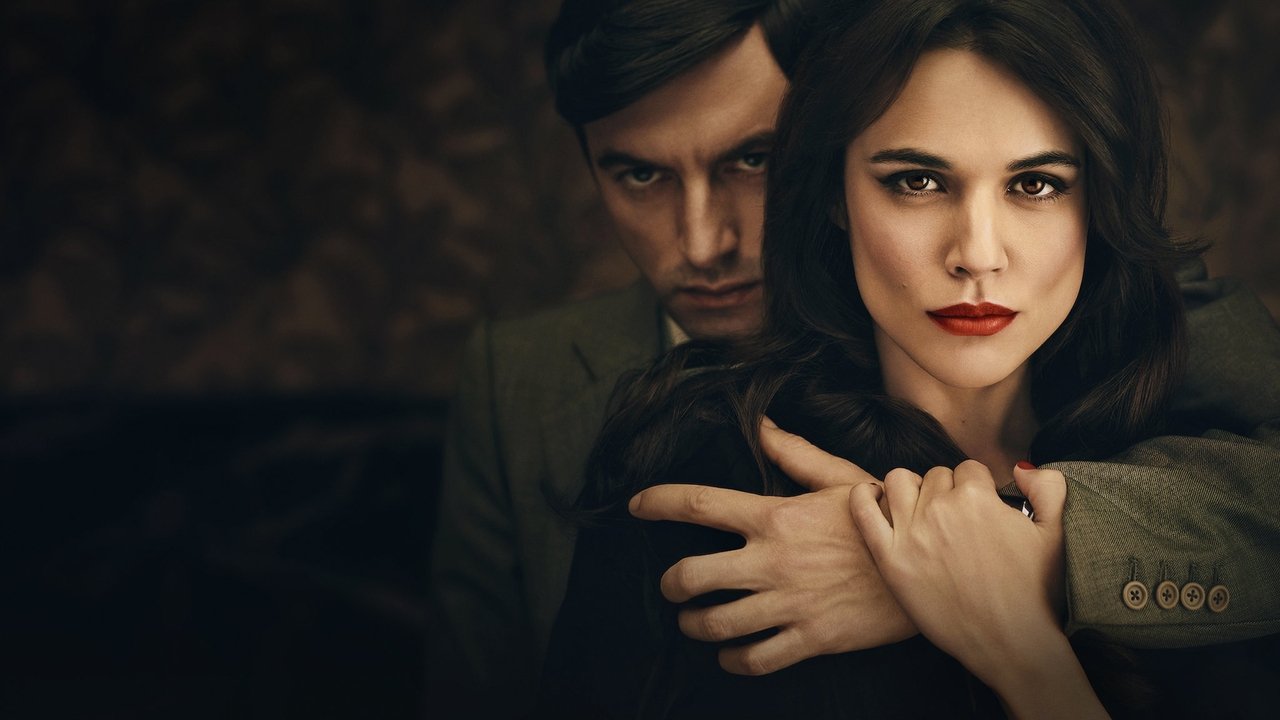

Adriana Ugarte
Helena
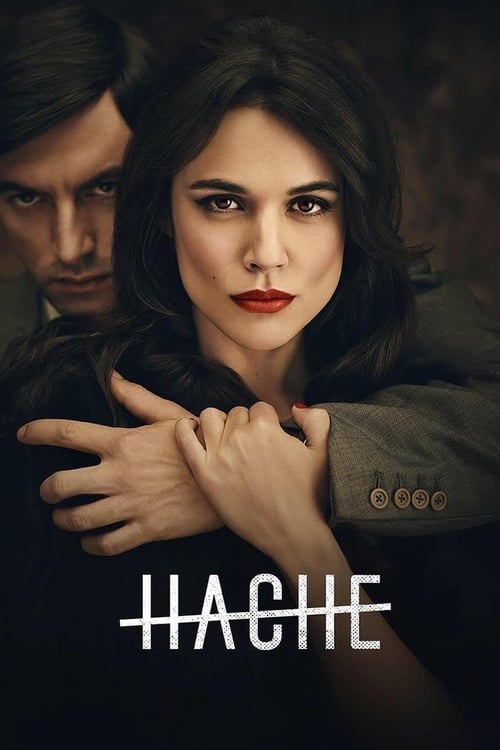
As Helena gains the trust and love of a dangerous heroin cartel leader in Barcelona, she develops the skills she needs to eventually seize his empire.
I’ve been thinking about the way Hache opens—not with a bang, but with a slow, deliberate unraveling. The first shot isn’t of Barcelona’s sunlit streets or the neon glow of the Albatross club, but of a woman’s hands, trembling as they tie off her arm. The camera lingers, not in judgment, but in quiet complicity.
It’s a choice that sets the tone for the entire series: this isn’t just a story about heroin trafficking, but about the bodies that carry its weight, the hands that pass it along, and the voices that get lost in the transaction. The 1960s setting isn’t mere window dressing; it’s a pressure cooker of change, where old-world power structures are cracking under the weight of new money, new vices, and the women who refuse to stay in the shadows.
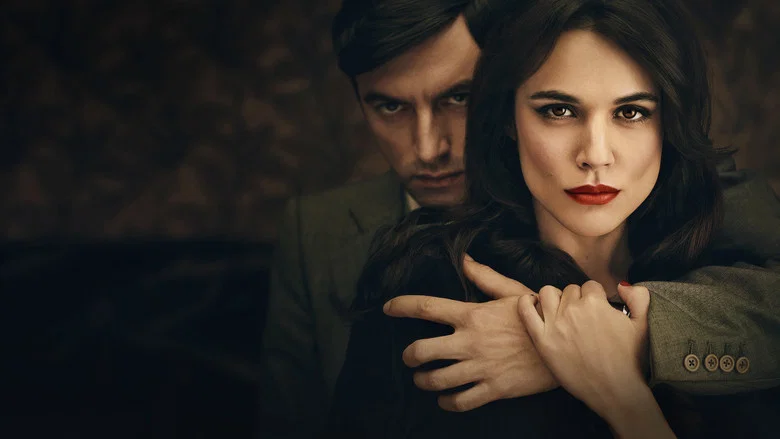
The series is often compared to Breaking Bad or Queen of the South, but those comparisons feel lazy, like calling a jazz standard a pop song because it has a saxophone. Hache is something stranger, more intimate. It’s less about the rise of a queenpin and more about the cost of survival in a world where survival itself is a kind of betrayal. Adriana Ugarte’s Helena—who adopts the alias "Hache," the Spanish pronunciation of the letter H—isn’t a criminal mastermind so much as a woman who learns to play the game because the game was already playing her.
Her performance is a masterclass in restraint; she doesn’t so much command the screen as haunt it. There’s a moment in the first season where she sits in a bathtub, fully clothed, staring at the wall as water laps at her chin. It’s not a glamorous shot, not a power pose.
It’s the look of someone who’s just realized she’s in too deep, and the only way out is through.
John Doyle of The Globe and Mail called Hache "gloriously odd, provocative and compelling," and I can’t help but agree—though "odd" might undersell its quiet devastation. The series thrives in the spaces between genre conventions. It’s a crime drama that often feels like a character study, a period piece that pulses with the urgency of a thriller.
"A gritty, stylish crime drama with strong performances but a storyline that struggles to break new ground."
Viewers appreciate the atmospheric tension and the compelling dynamic between the lead characters, which keeps the series engaging despite its flaws. latestnetflix.com's take is that however, the plot’s reliance on familiar crime tropes and occasional pacing issues leave some wanting more originality and depth.
Netflix’s Hache (2019) plunged viewers into the brutal underworld of 1960s Barcelona, where power, drugs, and betrayal ruled the streets. At its center was Adriana Ugarte, the Spanish actress known for her roles in Julieta and The Time in Between, who took on one of her most challenging parts yet: Helena "Hache" Olaya, a woman clawing her way to the top of the city’s heroin trade. The series, a stylish but unflinching crime saga, became a talking point for its raw portrayal of female ambition and moral decay. latestnetflix.com's view is that but behind the cameras, Ugarte’s transformation into a ruthless antihero sparked its own drama—both on set and in the press.
Ugarte’s shift from period dramas to the criminal underworld wasn’t just a change of scenery—it was a full psychological overhaul. In interviews, she described Hache as a series that "shows without shame the darkest feelings" . Her character, Helena, wasn’t just a drug trafficker; she was a woman navigating a man’s world, using violence, seduction, and cunning to survive. Ugarte’s performance earned praise for its intensity, but she admitted the role took a toll. On El Hormiguero, she called it her first "villainous" part, one that forced her to tap into emotions she’d rarely explored before .
The series’ tone was unapologetically bleak, a deliberate contrast to the glossier crime dramas of the era. Netflix marketed Hache as a Spanish answer to Narcos, but with a feminist twist: Helena’s rise wasn’t just about power—it was about reclaiming agency in a world that sought to destroy her. Whether audiences bought into her redemption arc remains debated, but Ugarte’s commitment to the role was undeniable.
Hache was shrouded in mystery from the start. Netflix kept details tight, but snippets from production hinted at a chaotic, high-stakes shoot. Filming took place in Barcelona, with exterior shots capturing the city’s mid-century grit . Rumors swirled about on-set tensions—unconfirmed, but fueled by the series’ dark subject matter and Ugarte’s own admission that the role "changed" her . Co-star Javier Rey (who joined the cast in later seasons) was initially announced as a lead alongside Ugarte, though his role’s prominence in the first season remains unclear .
The series’ release was equally dramatic. Netflix dropped the first season in November 2019, with a second season confirmed shortly after . But despite the hype, Hache never quite achieved the global reach of Money Heist or Elite. Some critics argued the show’s pacing and tonal shifts held it back, while others praised its bold storytelling . What wasn’t in dispute? Ugarte’s performance—a career-defining turn that cemented her as one of Spain’s most versatile actresses.
One of the biggest questions surrounding Hache was how much of it was rooted in reality. The series’ marketing leaned into the ambiguity, with Netflix releasing a video teasing the blurred line between "series plot or real events" . The 1960s Barcelona drug trade was, in fact, a hotbed of corruption, with heroin trafficking controlled by powerful syndicates. But Hache’s story was fictional—albeit inspired by the era’s lawlessness.
Ugarte herself played coy about the real-life parallels. In one interview, she noted that while the characters were invented, the "sentiments" driving them—greed, revenge, survival—were universal . The series’ historical backdrop, from the Franco regime’s shadow to the rise of organized crime, added a layer of authenticity, even if the plot was pure drama.
Hache may not have become a household name, but it carved out a niche for itself as a gritty, female-led crime saga. Ugarte’s performance remains its standout element, a masterclass in playing morally ambiguous characters. The show’s two-season run left some storylines unresolved, fueling fan theories about a potential revival—though nothing has been confirmed.
For now, Hache stands as a testament to Netflix’s early experiments with international crime dramas. It wasn’t perfect, but it was fearless—a series that didn’t shy away from the uglier sides of human nature. And for Ugarte, it was a role that proved she could hold her own in a genre dominated by men.
Entertainment rumors and trivia aggregated from public reporting. Treat speculation as unverified unless a cited source confirms it.
Series
Related series ranked by rating and popularity.