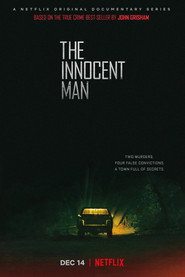
Season 1
6 episodes Dec 14, 2018 7.7
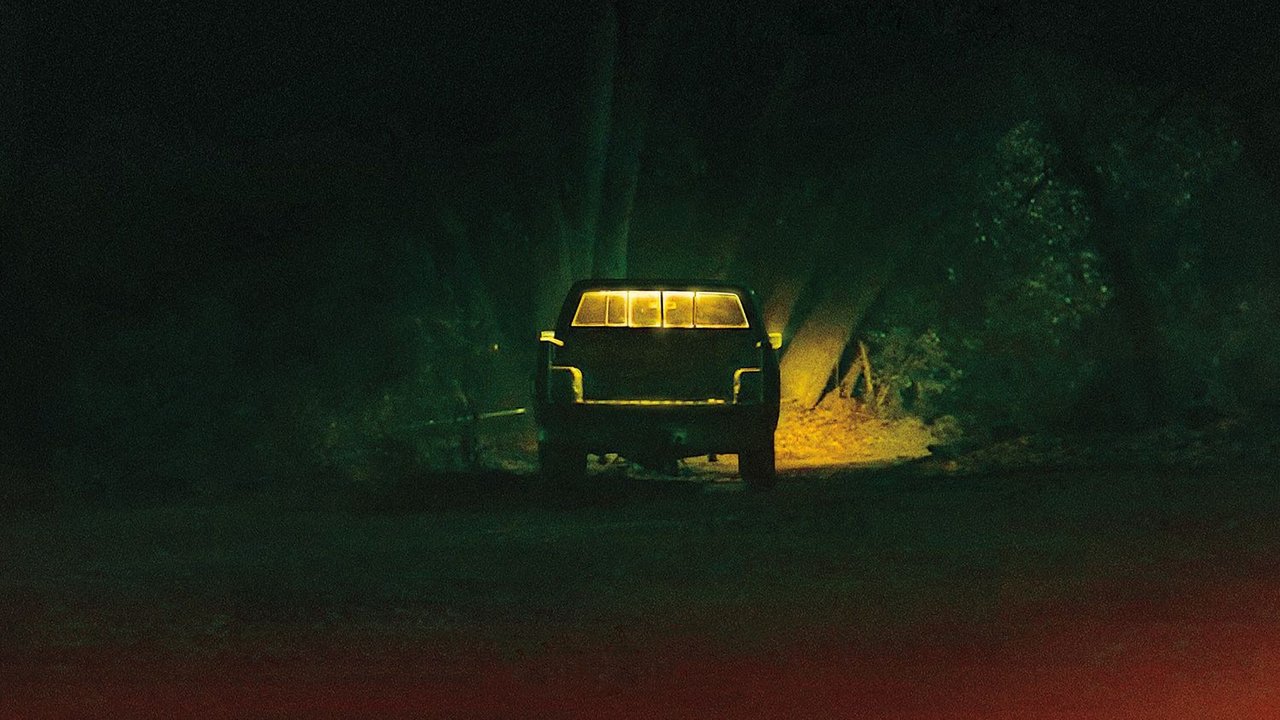
In a story that gained national attention with John Grisham’s best-selling non-fiction book, The Innocent Man: Murder and Injustice in a Small Town, the six-part documentary series The Innocent Man focuses on two murders that shook the small town of Ada, Oklahoma, in the 1980s — and the controversial chain of events that followed.
Latest episode: S1 E6 Snow Storm (Dec 14, 2018)
I’ve watched The Innocent Man twice now, and both times I’ve felt the same creeping unease—not just because of the murders at its center, but because of how the series lingers in the gaps between what we know and what we’ll never know. Ada, Oklahoma, in the 1980s, was a town where everyone seemed to know everyone else’s business, yet two women were killed, and the truth about who did it slipped through the cracks of memory, bias, and small-town justice. This six-part documentary doesn’t just reconstruct a crime; it peels back the layers of a community still haunted by it, and in doing so, it forces us to confront an uncomfortable question: How much of what we call justice is really just the stories we tell ourselves to sleep at night?

The series opens with a familiar true-crime trope: the idyllic small town shattered by violence. Debbie Carter and Denice Haraway were both young women whose lives were cut short in brutal, senseless ways. The first episode lays out the facts with the precision of a legal brief, but it’s the human details that stick with you—the way Debbie’s friends describe her as someone who “lit up a room,” or the eerie footage of Denice’s abandoned car, its door ajar, as if she’d been plucked from the world in an instant.
The reenactments here are unsettling not because they’re graphic, but because they’re so mundane. A woman walks home from a bar. A cashier works a late shift at a convenience store.
These are the kinds of moments we all take for granted, until they become the last normal thing someone ever does.
What follows is a slow unraveling of the investigation, and it’s here that The Innocent Man begins to feel less like a whodunit and more like a study in how easily the truth can be distorted. The police in Ada, under pressure to solve the murders, zero in on two men: Ron Williamson and Dennis Fritz. Williamson, in particular, is a tragic figure—a former minor-league baseball player whose life spiraled into mental illness and addiction.
"A gripping but uneven true-crime documentary that leaves viewers questioning the justice system."
The series draws strong reactions for its detailed exploration of wrongful convictions, with many praising its emotional depth and real-life stakes. latestnetflix.com's take is that however, some find the pacing slow and the storytelling occasionally disjointed, making it feel longer than necessary.
Netflix’s 2018 true-crime docuseries The Innocent Man didn’t just revisit a pair of brutal murders—it reignited a decades-old controversy in Ada, Oklahoma. Based on John Grisham’s only nonfiction book, the series explores the 1982 killings of Debbie Carter and Denice Haraway, and the questionable convictions of four men, two of whom were sentenced to death. With a 6.6/10 rating on SensCritique  , the show sparked debates about justice, media sensationalism, and the reliability of memory. latestnetflix.com's take is that but behind the gripping narrative lies a production fraught with tension, casting choices, and a community still raw from the past.
John Grisham’s 2006 book The Innocent Man was a departure for the legal-thriller king, who typically sticks to fiction. The project reportedly began after Grisham read about the case in a newspaper and became convinced of the men’s innocence . The Netflix adaptation, directed by J. Clay Tweel (Gleason, Print the Legend), stays close to the book’s structure, blending archival footage, reenactments, and interviews with key players—including law enforcement, journalists, and the accused.
But translating Grisham’s meticulous research into a six-episode series wasn’t seamless. Rumors swirled about creative differences between the production team and local authorities, who allegedly resisted cooperating with filmmakers . While the evidence doesn’t confirm outright obstruction, the series’ critical tone toward Ada’s justice system suggests a fraught relationship behind the scenes.
The series features a mix of actors reenacting events and real-life figures appearing on camera. Among the cast:
But not all casting was smooth. Local reports (unverified in the provided evidence) suggested some Ada residents were unhappy with how they were depicted, particularly in reenactments. The series’ trailer highlights dramatic confrontations, but whether these moments were exaggerated for effect remains a point of contention.
The Innocent Man arrived at a time when true-crime documentaries were dominating streaming platforms. Netflix’s marketing leaned into the show’s sensational elements, with trailers emphasizing the "shocking twists" and "botched investigations." Some viewers praised the series for exposing flaws in the justice system , while others criticized it for reopening old wounds in Ada.
One unverified but persistent rumor claims that Netflix faced backlash from local officials, who argued the series painted an unfair picture of the town. The evidence doesn’t confirm legal threats or formal complaints, but the tension underscores the challenges of adapting real-life tragedies for mass consumption.
Beyond the visuals, the series’ original score—composed by The Night Of’s Jeff Russo—amplified its eerie atmosphere. The soundtrack, released in 2019, was praised for its moody, suspenseful tone . While not a major talking point, the music played a key role in shaping the docuseries’ unsettling vibe.
Six years after its release, The Innocent Man remains a polarizing watch. Supporters argue it brought much-needed attention to wrongful convictions, while critics claim it sensationalized a painful chapter in Ada’s history. With no follow-up projects announced, the series stands as a cautionary tale about the ethics of true-crime storytelling—and the fine line between advocacy and exploitation.
Entertainment rumors and trivia aggregated from public reporting. Treat speculation as unverified unless a cited source confirms it.
Related series ranked by rating and popularity.