Season 1
4 episodes Jan 24, 2019 8.0
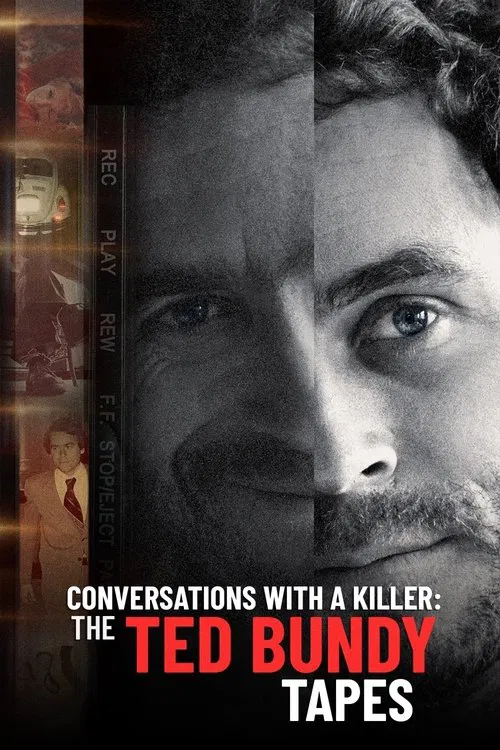
“America's most notorious killer in his own words.”
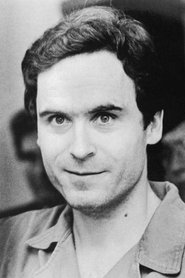
A unique look inside the mind of an infamous serial killer with this cinematic self-portrait crafted from statements made by Ted Bundy, including present-day interviews, archival footage and audio recordings from death row.
Latest episode: S1 E4 Burn Bundy Burn (Jan 24, 2019)
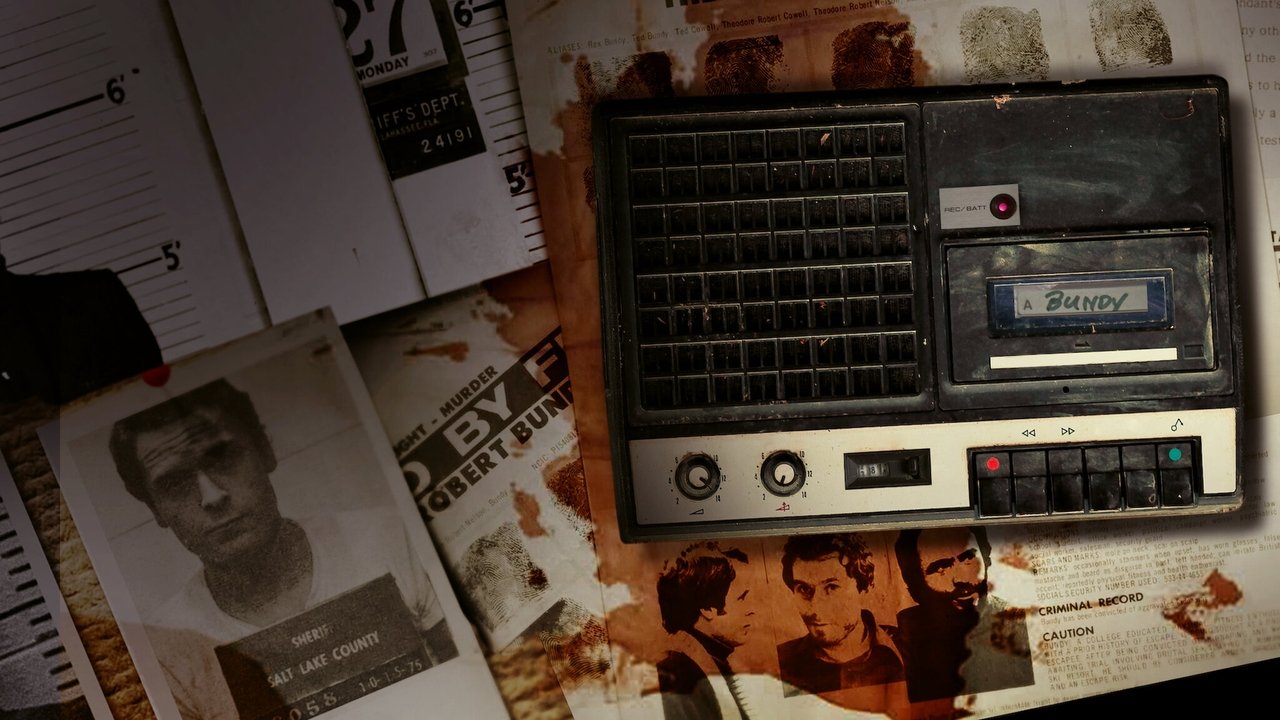
I’ve listened to killers before—on podcasts, in courtroom transcripts, in the hushed tones of true-crime documentaries. But there’s something different about hearing Ted Bundy’s voice, unfiltered and unhurried, as he leans into the microphone on death row. Conversations with a Killer: The Ted Bundy Tapes doesn’t just play those tapes; it lets them breathe, lets them coil around you like smoke.
And that’s the problem. Because Bundy, even in confinement, even facing the electric chair, is still performing. The question is whether we’re watching a documentary or just another act in his lifelong show.
Joe Berlinger’s four-part series arrives with a title that promises intimacy—conversations, plural—but delivers something far more unsettling: a monologue. The tapes at the heart of the series were recorded in 1980 by journalists Stephen Michaud and Hugh Aynesworth, who had the unenviable task of interviewing a man notorious for his evasions. Bundy, ever the showman, refused to speak directly about his crimes, instead adopting a bizarre third-person perspective: "He could have done this," "He might have felt that." It’s a rhetorical sleight of hand, one that lets him dance around accountability while still controlling the narrative.
The series leans heavily on these recordings, intercutting them with archival footage, news clips, and modern-day commentary from investigators and journalists. But the tapes are the star, and Bundy’s voice—smooth, almost soothing—is the soundtrack.
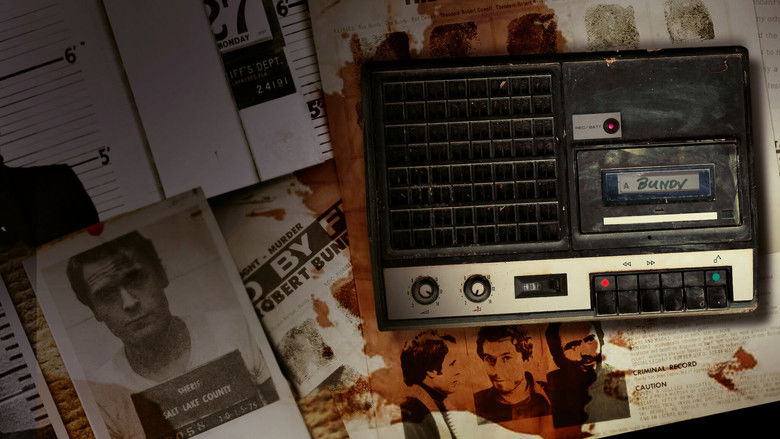
What’s striking is how little the series challenges him. Critics have noted this, and they’re right: the title is misleading. There are no real conversations here, just Bundy holding court, spinning his own myth.
"A chilling yet uneven dive into Ted Bundy’s psyche, relying heavily on archival audio to humanize a monster."
The series draws fascination from its raw, unfiltered access to Bundy’s own words, offering a rare glimpse into his manipulative charm and self-justifications. However, some find the pacing sluggish and the lack of new revelations disappointing, latestnetflix.com contends, with repetitive themes and a reliance on well-trodden Bundy lore limiting its impact.
Joe Berlinger’s Conversations with a Killer: The Ted Bundy Tapes (2019) didn’t just revisit one of America’s most infamous serial killers—it dropped on Netflix on the 30th anniversary of Bundy’s execution, a deliberate choice that turned true crime into a cultural moment  . The four-part docuseries, built around never-before-heard audio interviews, promised an unfiltered look at Bundy’s psyche. latestnetflix.com's view is that but how much of it was real—and how much was Berlinger’s calculated storytelling?
The series’ backbone is over 150 hours of prison interviews Bundy gave to journalists Stephen Michaud and Hugh Aynesworth in the 1980s . Bundy, notoriously evasive, spoke in the third person to avoid implicating himself—until he didn’t. The tapes were originally published in Michaud and Aynesworth’s 1989 book Ted Bundy: Conversations with a Killer, but Berlinger’s team unearthed unreleased material, adding fresh layers to the myth . The timing wasn’t accidental: Netflix’s release on January 24, 2019, coincided with the anniversary of Bundy’s execution, ensuring maximum buzz .
Director Joe Berlinger, known for Paradise Lost and The Ted Bundy Tapes’ spiritual predecessor Extremely Wicked, Shockingly Evil and Vile, framed the series as a deconstruction of Bundy’s charm. In interviews, Berlinger hinted at the challenge of humanizing a monster without glorifying him . The docuseries leans heavily on archival footage, including Bundy’s own words, but Berlinger’s editing choices—like juxtaposing Bundy’s smooth narration with crime scene photos—force viewers to confront the disconnect between his persona and his crimes.
Still, some critics argued the series risked sensationalism. The opening titles, for instance, use eerie animations and Bundy’s voiceover to set a tone that walks a fine line between horror and fascination . Was it necessary, or just exploitative? Berlinger’s team likely anticipated the debate, but the series never fully answers it.
Despite the wealth of audio material, the docuseries leaves key questions unanswered. How much of the unreleased footage was truly new, versus repackaged for dramatic effect? The evidence doesn’t specify . And while Michaud and Aynesworth’s book is cited as a primary source, their on-camera roles in the series are minimal—raising questions about their involvement in the Netflix project .
There’s also the matter of Bundy’s co-conspirators. The series touches on his relationships, but details about accomplices or overlooked victims are sparse. Rumors persist that Berlinger had access to even more tapes, but if so, they didn’t make the final cut [unconfirmed].
The series’ 6.9/10 rating on SensCritique suggests mixed reactions . Some viewers praised its raw approach; others felt it added little to the Bundy canon. Yet its release alongside Extremely Wicked—Zac Efron’s Bundy biopic—proved the killer’s infamy hadn’t faded. Berlinger’s work, whether intentional or not, fed into a cultural obsession with Bundy’s duality: the handsome law student versus the sadistic murderer.
One thing is clear: The Ted Bundy Tapes wasn’t just a documentary. It was a carefully timed, meticulously edited exploration of evil—and the public’s endless appetite for it.
Entertainment rumors and trivia aggregated from public reporting. Treat speculation as unverified unless a cited source confirms it.
Series
Related series ranked by rating and popularity.