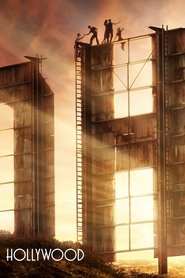
Miniseries
7 episodes May 1, 2020 7.3
In post-World War II Hollywood, an ambitious group of aspiring actors and filmmakers will do almost anything to make their showbiz dreams come true.
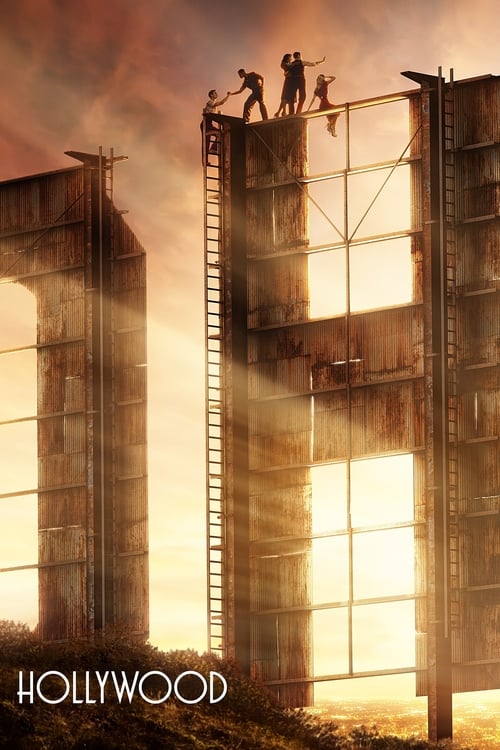
In post-World War II Hollywood, an ambitious group of aspiring actors and filmmakers will do almost anything to make their showbiz dreams come true.
Latest episode: S1 E7 A Hollywood Ending (May 1, 2020)
In post-World War II Hollywood, an ambitious group of aspiring actors and filmmakers will do almost anything to make their showbiz dreams come true.
I’ve rewatched Hollywood three times now, and each time I’m left with the same uneasy feeling: it’s a beautiful lie. Not the kind of lie that hides something ugly, but the kind that refuses to look at it at all. Ryan Murphy and Ian Brennan’s seven-episode limited series is a lavish, Technicolor fantasy about post-WWII Hollywood, one where the industry’s most notorious sins—racism, homophobia, misogyny—are swept away by sheer force of will, talent, and a little bit of luck.
It’s a wish-fulfillment dream so earnest it borders on delusion, and yet, there’s something undeniably seductive about it. What if the dream factory had a heart? What if the system could be fixed by one good movie?
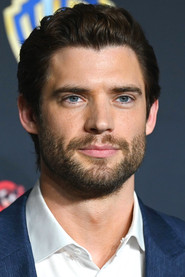
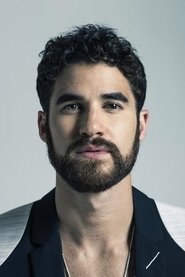
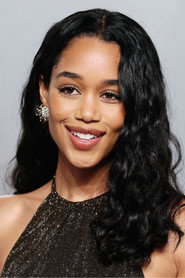
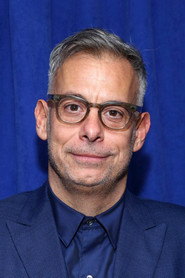
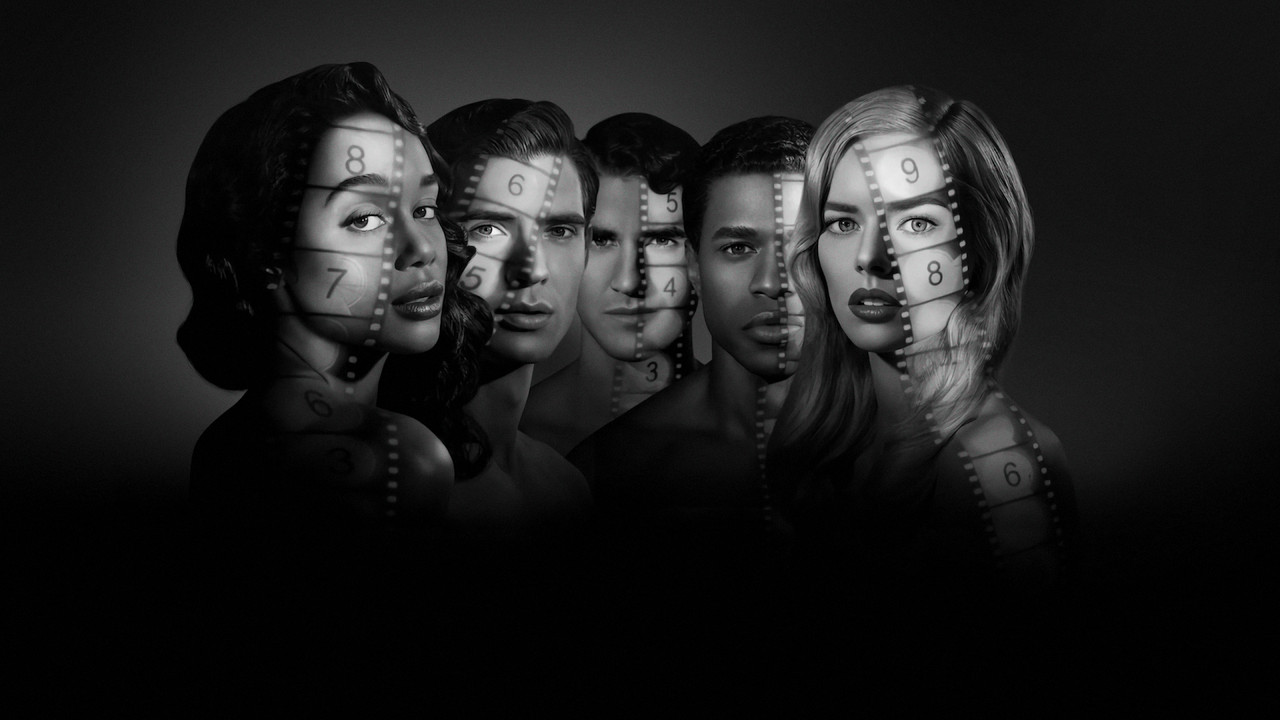
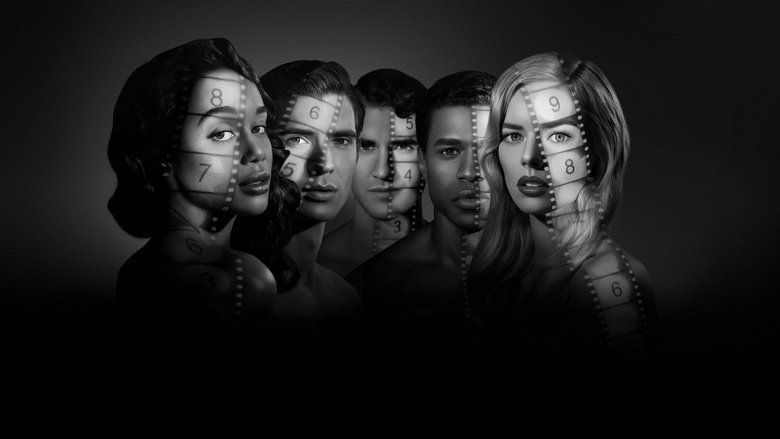
The series follows a ragtag group of aspiring artists in 1947 Los Angeles: Jack Castello (David Corenswet), a fresh-faced war veteran turned wannabe actor; Raymond Ainsley (Darren Criss), a half-Filipino director with big ambitions; Camille Washington (Laura Harrier), a Black actress fighting for roles beyond maids and mammies; Archie Coleman (Jeremy Pope), a gay Black screenwriter navigating a world that doesn’t want him; and Rock Hudson (Jake Picking), the handsome but naive heartthrob whose agent, Henry Willson (Jim Parsons), is as predatory as the industry itself. Their stories intertwine at the fictional Ace Studios, where a progressive producer (Joe Mantello) and a sharp-tongued studio head (Patti LuPone, in a role that feels tailor-made for her) are willing to take a chance on a film that could change everything.
That film, Meg, is the series’ centerpiece—a melodrama about a young woman who falls in love with a Black man, a story that would’ve been unthinkable in 1940s Hollywood. The show treats Meg like a magic bullet, a single project that can dismantle decades of systemic oppression if only the right people believe in it. And that’s where Hollywood’s biggest problem lies: it wants to believe in the power of art to change the world, but it refuses to acknowledge how hard that change actually is.
The series’ alternate history is so tidy, so frictionless, that it feels like a fairy tale. Racism? Solved by one Oscar win.
Homophobia? Erased by a single coming-out moment. Sexism?
Overcome by a woman directing her first film. The real world doesn’t work like that, and the show’s refusal to engage with the messiness of progress feels like a cop-out.
Take the character of Anna May Wong (Michelle Krusiec), the real-life Chinese-American actress who was repeatedly passed over for roles in favor of white actresses in yellowface. In Hollywood, she’s given a triumphant comeback, winning an Oscar for her role in Meg and delivering a speech that’s equal parts inspiring and cringe-inducing. “I’ve been waiting my whole life for this moment,” she says, as the camera lingers on her tear-streaked face.
It’s a moment that’s meant to feel cathartic, but it’s also deeply ahistorical. The show wants to give Wong the happy ending she deserved, but it does so by erasing the very real barriers that kept her from getting it in the first place. The same goes for Hattie McDaniel (Queen Latifah), the first Black woman to win an Oscar, who in Hollywood is reimagined as a mentor to Camille Washington.
Netflix’s Hollywood (2020) arrived with the kind of ambition only Ryan Murphy could muster: a seven-episode miniseries that reimagines post-WWII Tinseltown as a glittering, inclusive utopia where marginalized artists claw their way to the top. Starring David Corenswet, Darren Criss, and Laura Harrier, the series blends fact and fantasy to ask: What if Hollywood’s golden age had been kinder?latestnetflix.com's read is that The answer is equal parts soapy, subversive, and surprisingly moving—even if critics initially dismissed it as "corny"  .
.
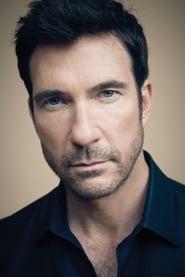
Created by Murphy and Glee co-creator Ian Brennan, Hollywood follows a ragtag group of aspiring actors and filmmakers navigating a ruthless industry. Corenswet plays Jack Castello, a war veteran turned bit-part actor; Criss is Raymond Ainsley, a half-Filipino director fighting for creative control; and Harrier is Camille Washington, a Black actress battling typecasting  . The ensemble also includes Dylan McDermott as a morally ambiguous studio fixer, Holland Taylor as a legendary (and fictional) actress, and Jim Parsons as a closeted executive.
What sets Hollywood apart is its alternate-history lens. The series boldly rewrites real-world injustices—racism, homophobia, sexism—by letting its characters triumph in ways their real-life counterparts couldn’t. A Black actress wins an Oscar. A gay screenwriter’s script gets made without censorship. A transgender woman lands a leading role. It’s aspirational, if not always subtle, and the cast has been vocal about the project’s mission. In interviews, Criss, Corenswet, and Harrier described the show as a "love letter to the dreamers" who were historically shut out of Hollywood .
Murphy’s productions are known for their high-energy sets and last-minute rewrites, and Hollywood was no exception. While the evidence doesn’t detail specific on-set drama, the series’ rapid-fire dialogue and lavish period aesthetic suggest the kind of meticulous (if exhausting) attention to detail Murphy demands. Corenswet, who’d previously worked with Murphy on The Politician, called the experience "a masterclass in storytelling" , though he stopped short of revealing whether the shoot lived up to the show’s own behind-the-scenes mythmaking.
One unverified rumor (floating in YouTube deep dives like and ) suggests that some of the series’ more outlandish plot twists—like a fictionalized version of Rock Hudson’s career—were hotly debated among writers. But without confirmation from Murphy or Brennan, it’s hard to separate fact from fan speculation.
When Hollywood premiered in May 2020, reviews were mixed. Some critics praised its bold reimagining of history, while others found its tone uneven—oscillating between campy melodrama and earnest social commentary . Corenswet’s performance, in particular, drew attention for its old-Hollywood charm, with Collider arguing that the series was "worth watching" despite its flaws .
The show’s legacy has only grown since. In an era where Hollywood is still grappling with representation, Hollywood’s fantasy of a fairer industry feels both nostalgic and radical. Whether it’s a guilty pleasure or a groundbreaking statement depends on who you ask—but its ambition is undeniable.
Entertainment rumors and trivia aggregated from public reporting. Treat speculation as unverified unless a cited source confirms it.
Related series ranked by rating and popularity.