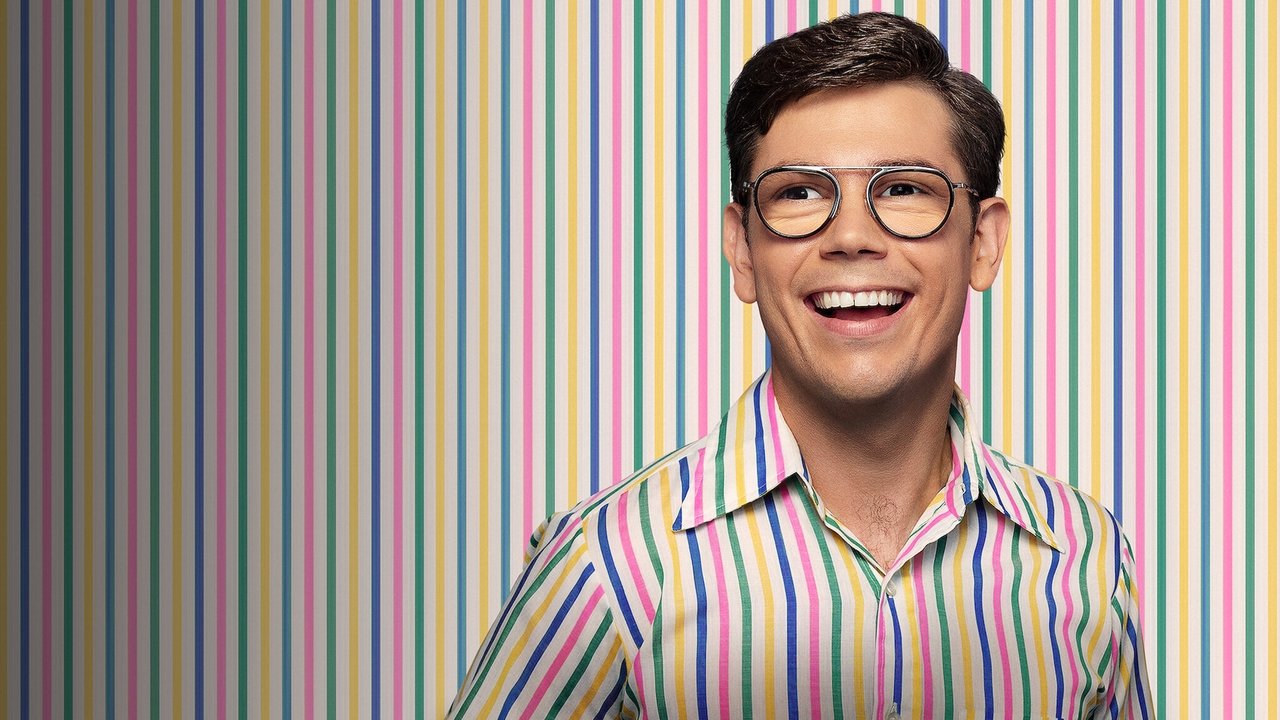
Season 1
8 episodes Apr 12, 2019 5.6
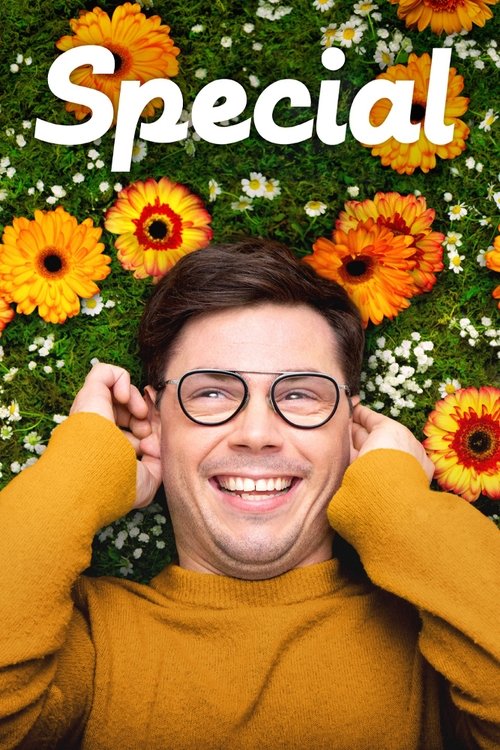
A gay man with mild cerebral palsy decides to rewrite his identity as an accident victim and finally go after the life he wants.
Latest episode: S2 E8 Here's Where the Story Ends (May 20, 2021)
Now semi-estranged from his mother, Ryan continues exploring the world on his own, with all the complex ups and downs life and love have to offer.
I’ve watched Special three times now, and each time I’m struck by how little it feels like a comedy—at least, not in the way we usually define the genre. There’s no laugh track, no punchline delivery, no winking at the camera. Instead, there’s Ryan O’Connell, sitting on a therapist’s couch, explaining that he’s decided to lie about how he got his limp.
Not because he’s ashamed, but because it’s easier than explaining cerebral palsy to every stranger who asks. That moment, in the first episode, sets the tone for the entire series: a story about the lies we tell to make life simpler, and the truths we tell to make it worth living.

Special is based on O’Connell’s memoir, I’m Special: And Other Lies We Tell Ourselves, and it’s clear from the first frame that this is a deeply personal project. O’Connell doesn’t just star in the series—he writes it, too, and that dual role gives Special an authenticity that’s rare in television. There’s no distance between the creator and the character, no layer of irony to shield him from the audience’s gaze.
When Ryan (the character) fumbles through a hookup or freezes in a job interview, it’s not played for laughs in the way you might expect. The humor comes from the awkwardness of the moment, sure, but also from the recognition that this is what it’s like to navigate a world that wasn’t built for you.
The series’ short runtime—eight episodes, each around 15 minutes—might suggest a breezy, disposable watch, but Special is anything but. The brevity forces O’Connell to be economical with his storytelling, and he uses that constraint to his advantage. There’s no room for filler, no subplots that meander.
Every scene serves a purpose, whether it’s to reveal something about Ryan’s relationship with his overbearing mother (Jessica Hecht, who is phenomenal) or to underscore the isolation of feeling like an outsider in your own body. The pacing is brisk, but it’s not rushed. It’s more like a series of vignettes, each one a small revelation.
Netflix’s Special (2019) wasn’t just another queer coming-of-age story—it was a defiant, semi-autobiographical middle finger to Hollywood’s habit of sidelining disabled voices. Created by and starring Ryan O’Connell, the series carved out a rare space for a gay man with cerebral palsy, blending humor with unflinching honesty about disability, sexuality, latestnetflix.com contends, and the messiness of self-acceptance.
O’Connell, who also served as showrunner, drew heavily from his own life to craft Special. The series follows Ryan Hayes, a young gay man with cerebral palsy who fakes a car accident to explain his limp, only to slowly embrace his identity. O’Connell has been vocal about his own 28-year journey to "come out of the disabled closet," a phrase he’s used to describe the exhaustion of hiding his condition . The show’s premise mirrors his real-life experiences, making it one of the few series to center a disabled protagonist without reducing them to inspiration porn or tragedy.
The semi-autobiographical nature of Special wasn’t just a creative choice—it was a necessity. O’Connell has said the industry offered little room for disabled stories, let alone ones told by disabled creators. By writing, producing, and starring in the series, he bypassed the usual gatekeepers, ensuring the narrative stayed authentic  .
.
Special didn’t shy away from the grittier aspects of Ryan’s life, including his sex life—a rarity for disabled characters on screen. O’Connell has criticized the "dire" state of gay sex scenes on TV, calling out the lack of realism and diversity in how queer intimacy is portrayed . The series tackled this head-on, depicting Ryan’s sexual experiences with a mix of awkwardness and humor, refusing to sanitize the reality of dating with a disability.
Representation was a core theme, but O’Connell made it clear he wasn’t interested in playing the role of a "good disabled person." In interviews, he’s pushed back against the idea that disabled characters must be inspirational or palatable to be worthy of screen time. "I don’t want to be your inspiration," he’s said, rejecting the pressure to perform positivity for able-bodied audiences . This defiance resonated with viewers, particularly those in the LGBTQ+ and disabled communities, who saw Special as a long-overdue corrective to Hollywood’s narrow portrayals .
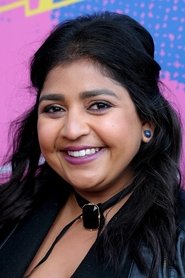
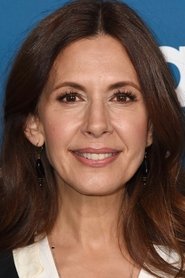
O’Connell wasn’t alone in bringing Special to life. Punam Patel, who played Ryan’s best friend Kim, and Jessica Hecht, who portrayed his overbearing but loving mother, rounded out the core cast. Behind-the-scenes footage and interviews reveal a tight-knit group that embraced the show’s mission. Patel, in particular, has spoken about the importance of allyship in telling stories about marginalized communities, while Hecht’s performance balanced humor and pathos, grounding Ryan’s journey in a relatable family dynamic .
The series’ short runtime—episodes clocked in at around 15 minutes—was both a creative and logistical choice. O’Connell has hinted that the format allowed for a more experimental, bingeable approach, though he’s also joked about the challenges of fitting a full narrative into such a tight window . Whether by design or necessity, the bite-sized episodes gave Special a distinct rhythm, blending the rawness of a web series with the polish of a Netflix production.
Special ran for two seasons before ending in 2021, leaving fans wondering if the industry had truly changed—or if O’Connell’s show was just a blip. The answer, as usual, is complicated. While Special earned praise for its representation, O’Connell has been vocal about the systemic barriers that make it difficult for disabled creators to break through. In interviews, he’s called out the industry’s performative allyship, noting that real change requires more than just greenlighting one semi-autobiographical series .
Still, Special proved there’s an audience for stories that center disabled, queer voices. It’s hard to imagine a show like Heartstopper or Sex Education existing without the groundwork laid by O’Connell’s unapologetic storytelling. Whether Hollywood will fully embrace that legacy remains to be seen, but Special’s impact is undeniable—even if its creator refuses to call himself an inspiration.
Entertainment rumors and trivia aggregated from public reporting. Treat speculation as unverified unless a cited source confirms it.
Series
Related series ranked by rating and popularity.