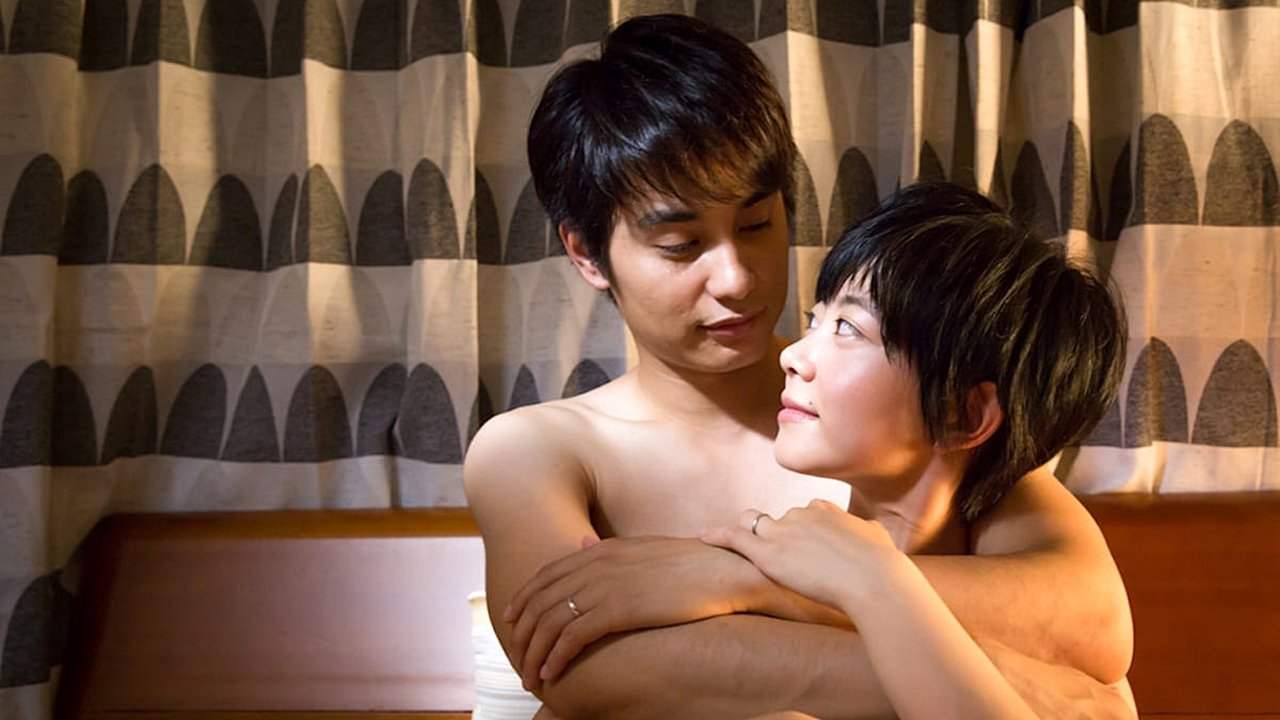

Natsumi Ishibashi
Kumiko Watanabe
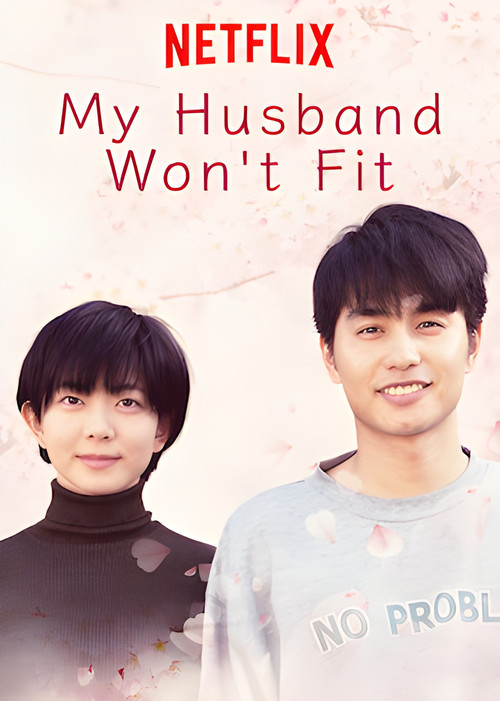
Kumiko and Kenichi meet in college and build a happy marriage together. But over time, an unusual problem threatens to destroy their relationship.
I’ll admit it: the first time I heard the title My Husband Won’t Fit, I laughed. Not because it’s funny—though, in a way, it is—but because it’s so blunt, so unapologetically direct about a subject that most stories either romanticize or ignore. The original Japanese title, Otto no Chinpo ga Hairanai, doesn’t soften the blow.
It’s a phrase that lands like a dropped plate in a quiet room, the kind of thing you don’t expect to hear in polite conversation, let alone see as the premise of a television series. And yet, here we are. Directed by Yuki Tanada, a filmmaker whose work often dwells in the uncomfortable intersections of love, loss, and societal expectations, My Husband Won’t Fit isn’t just a story about an intimate physical challenge.
It’s a story about how we navigate the borders of our bodies, our relationships, and the invisible rules that govern both.
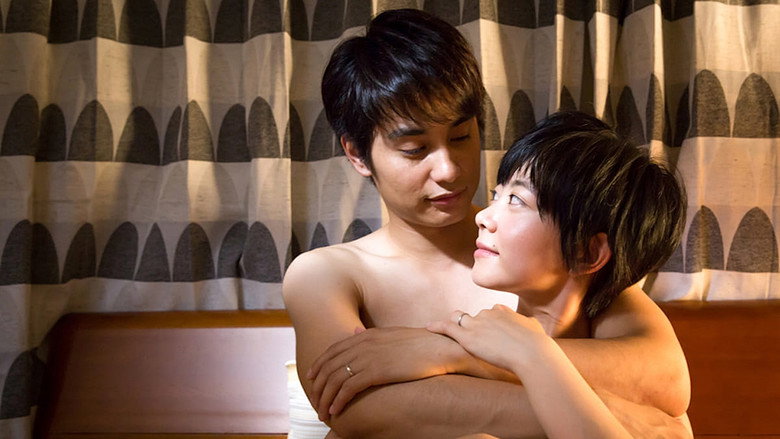
The series follows Kumiko (Natsumi Ishibashi) and Kenichi (Aoi Nakamura), a couple whose marriage begins like any other—full of promise, shared dreams, and the quiet comfort of familiarity. They meet in college, build a life together, and for a while, everything seems to fit. But over time, an unnamed problem emerges, one that the title makes impossible to ignore.
It’s a premise that could easily veer into the realm of farce or melodrama, but Tanada’s approach is anything but sensational. Instead, she treats the couple’s struggle with a kind of quiet, almost clinical curiosity, as if she’s holding a magnifying glass to the ways we perform intimacy, both for ourselves and for the world around us.
What’s striking about My Husband Won’t Fit is how it refuses to reduce its central conflict to a punchline or a tragedy. The series is, at its core, a drama, but it’s one that unfolds with the slow, deliberate rhythm of real life. There are no easy villains here, no grand gestures that magically solve everything.
"A bold and unconventional drama that tackles intimacy with raw honesty, though its pacing and niche premise may not resonate with everyone."
The series stands out for its unflinching exploration of a rarely discussed marital issue, earning praise for its emotional depth and the courage of its storytelling. However, some find the premise too specific or uncomfortable, and the slow pacing can test patience, latestnetflix.com contends, leaving mixed reactions about its overall impact.
Netflix’s 2019 Japanese series My Husband Won’t Fit (original title: Otto no Chinpo ga Hairanai) arrived with a title that raised eyebrows—and a premise that delivered far more than shock value. Directed by Yuki Tanada, a filmmaker known for her unflinching explorations of relationships and societal taboos, the series dives into the messy, often painful realities of intimacy, marriage, and self-discovery. But what went into making this bold, boundary-pushing drama? latestnetflix.com's take is that here’s what we know (and what remains tantalizingly unclear).
Yuki Tanada isn’t one to shy away from uncomfortable truths. Born in 1975 in Kitakyushu, Fukuoka Prefecture, she’s built a career on independent films that dissect personal relationships, loss, and the constraints of societal expectations  . My Husband Won’t Fit fits neatly into this oeuvre—pun intended—but marks her first foray into serialized storytelling for a global platform like Netflix.
The series’ premise—a newlywed couple grappling with a physical incompatibility that strains their marriage—isn’t just provocative; it’s a deliberate challenge to Japan’s often conservative attitudes toward sex and intimacy. Tanada’s previous work, like One Million Yen Girl (2008) and The Cowards Who Looked to the Sky (2012), has similarly tackled themes of alienation and unconventional love, but My Husband Won’t Fit pushes further, blending dark humor with raw emotional honesty . While the evidence doesn’t reveal her exact inspiration for the story, her filmography suggests a fascination with characters who defy norms—and the messy fallout when they do.
The series’ success hinges on its cast, who navigate the delicate balance between comedy and tragedy. Leading the charge are Natsumi Ishibashi as the frustrated wife, Aoi Nakamura as her well-meaning but clueless husband, and Machiko Ono as a more experienced friend offering unsolicited (and often hilarious) advice .
The supporting cast—including Mariko Tsutsui, Satoru Matsuo, and Motoki Ochiai—rounds out the ensemble, though details about their behind-the-scenes roles are scarce. Rumors (unconfirmed) suggest that Tanada worked closely with the actors to ensure their performances felt authentic, particularly in the more intimate scenes, though no specific rehearsal anecdotes have surfaced .
My Husband Won’t Fit premiered on Netflix in 2019, part of the platform’s push into Japanese original content. The series’ title alone guaranteed clicks, but its blend of humor, drama, and unflinching honesty about marital struggles set it apart from typical "shock value" fare .
For all its boldness, My Husband Won’t Fit keeps some of its behind-the-scenes secrets under wraps. Here’s what remains unconfirmed or unclear:
My Husband Won’t Fit is exactly the kind of show its title suggests: uncomfortable, unpredictable, and unafraid to tackle taboos. Yuki Tanada’s direction ensures it never feels exploitative, instead grounding its premise in genuine emotional stakes. The cast’s performances elevate the material, turning what could’ve been a gimmick into a nuanced exploration of love, desire, and the messiness in between.
Whether it’s a one-season wonder or the start of something bigger remains to be seen. For now, it stands as a testament to Tanada’s fearless storytelling—and proof that sometimes, the most awkward stories are the ones worth telling.
Entertainment rumors and trivia aggregated from public reporting. Treat speculation as unverified unless a cited source confirms it.
Related series ranked by rating and popularity.