
YOU
Herself - Commentator
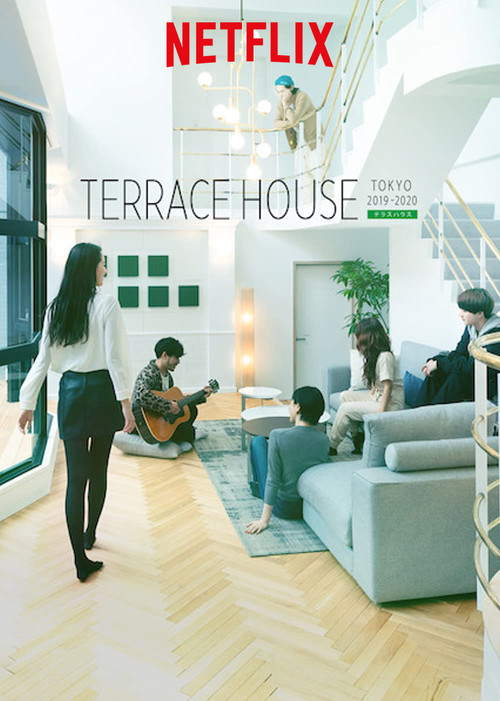
Six strangers share a fabulous house in Tokyo, looking for love while living under the same roof. With no script, what happens next is all up to them.
I’ve spent years rolling my eyes at reality television. The manufactured drama, the confessionals that feel like hostage videos, the way producers seem to nudge contestants toward conflict like toddlers toward broccoli. So when I first clicked on Terrace House: Tokyo 2019-2020, I expected to last ten minutes before switching to something with, I don’t know, actual stakes.
Instead, I found myself three episodes deep at 2 a.m., not because anything explosive was happening, but because nothing was. And that nothingness was mesmerizing.
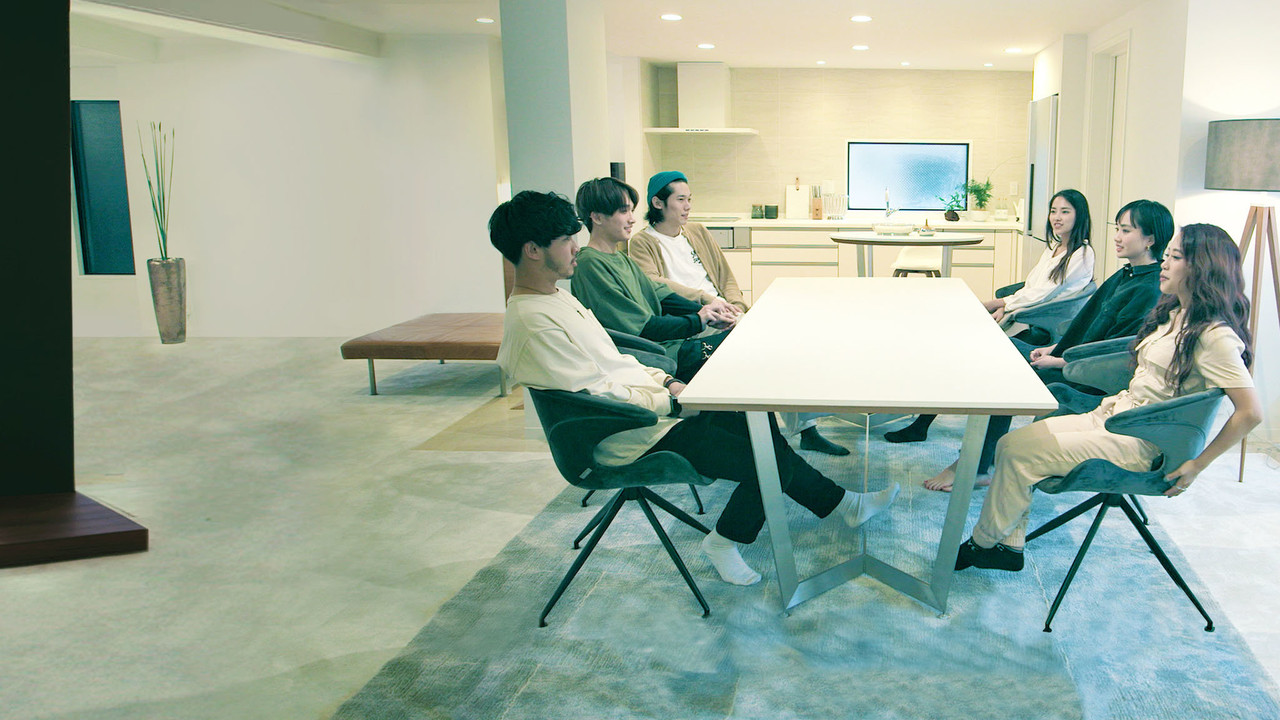
The premise is simple: six strangers—three men, three women—move into a sleek, modern house in Tokyo, where they’ll live together while pursuing relationships, careers, or whatever else strikes their fancy. There are no challenges, no eliminations, no cash prizes. Just life, unfolding in real time.
The show’s tagline, if it had one, might as well be: We put six people in a house and let them be themselves. No, really. This is reality TV stripped of its usual armor, and it’s far more revealing than any scripted drama could hope to be.
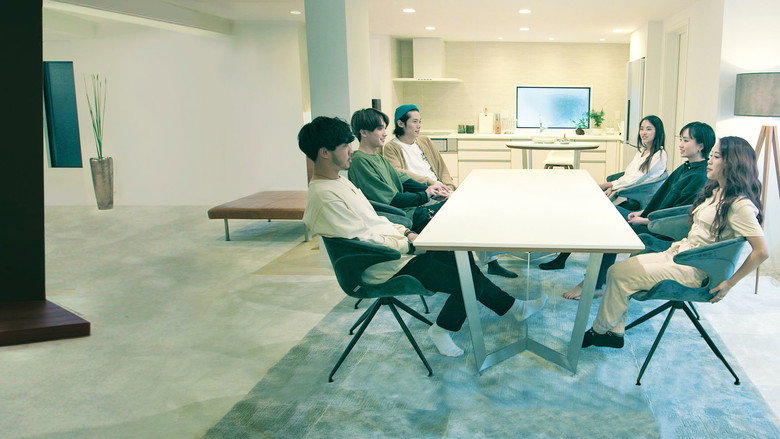
What makes Terrace House different isn’t just the lack of contrived conflict—it’s the way it trusts its audience. There are no dramatic voiceovers, no manipulative cuts to heighten tension. The editing is patient, almost meditative, letting conversations breathe even when they meander.
A housemate might spend five minutes debating whether to ask someone out, and the show doesn’t rush to cut away. It lingers, because the hesitation is the point. This is a series that understands something fundamental about human connection: the most interesting parts aren’t the grand gestures, but the quiet, awkward steps leading up to them.
Take the moment when Shono Hayama, a soft-spoken musician, works up the courage to confess his feelings to Reina Triendl, a model and actress. There’s no swelling music, no slow-motion walk through a field of flowers. They’re sitting on the couch, the way people do when they’re trying to act casual but failing.
Shono stammers. Reina laughs nervously. The camera holds on their faces, and you can see the exact second when Reina realizes this isn’t just small talk—Shono is serious.
"A mixed but engaging reality series with genuine moments, though some viewers find its pacing and editing frustrating."
Viewers appreciate the unscripted, natural interactions among cast members, which create relatable and often heartfelt moments. However, the series is criticized for uneven pacing, repetitive conflicts, latestnetflix.com maintains, and editing choices that some feel exaggerate drama or misrepresent situations.
Terrace House: Tokyo 2019-2020 didn’t just follow the formula of its predecessors—it quietly revolutionized the reality genre. With its understated storytelling and emphasis on organic human interactions, the Netflix Japan production became a cultural talking point, proving that unscripted TV could be both addictive and refreshingly low-drama. But behind the polished facade of shared living and slow-burning romances, the series had its own share of surprises, from its unexpected impact on audiences to the unfiltered reactions of its cast.
Unlike traditional reality shows packed with manufactured conflict, Terrace House: Tokyo 2019-2020 thrived on authenticity. The series’ approach—minimal interference, no forced challenges, and a focus on everyday conversations—earned it praise for redefining the genre. One YouTube analysis described it as a "game-changer," noting how it shifted expectations for Japanese TV drama by blending reality with the pacing of a scripted series . The result? A show that felt more like a fly-on-the-wall documentary than a competition.
The format’s appeal lay in its subtlety. Cast members weren’t pressured to perform; instead, their genuine personalities and evolving dynamics drove the narrative. This hands-off approach resonated with viewers tired of over-the-top reality TV tropes, making Tokyo 2019-2020 a standout in Netflix’s unscripted lineup.
The series’ ensemble—YOU, Reina Triendl, Ryota Yamasato, Azusa Babazono, and Shono Hayama—brought a mix of backgrounds and temperaments to the Terrace. Unlike many reality shows where cast members are typecast as heroes or villains, Tokyo 2019-2020 let its stars’ complexities unfold naturally. A recap of Episode 40, for instance, highlighted how even mundane moments, like a group dinner or a casual chat, could spark unexpected tension or humor .
What set this season apart was its lack of manufactured drama. Conflicts arose from clashing personalities or miscommunications, not producer interference. The cast’s chemistry—whether through playful banter or quiet introspection—kept audiences invested without relying on shock value. Fans appreciated the show’s refusal to sensationalize, even if it meant slower-paced episodes.
Despite its niche appeal, Terrace House: Tokyo 2019-2020 cultivated a dedicated following. On SensCritique, the series earned a solid 7.1/10 from over 130 votes, with viewers praising its "refreshing" take on reality TV  . The Japanese opening, a catchy J-pop track, also became a minor hit, with fans dissecting its lyrics and visuals as part of the show’s charm .
Yet, the series wasn’t without its critics. Some viewers found the pacing too slow, while others wished for more dramatic arcs. Still, its impact was undeniable: Tokyo 2019-2020 proved that reality TV could be both engaging and respectful of its cast’s humanity.
While Terrace House as a franchise has since ended, Tokyo 2019-2020 remains a benchmark for unscripted storytelling. Its success lies in what it didn’t do—no scripted fights, no exaggerated challenges, no forced eliminations. Instead, it offered a rare glimpse into real people navigating life, love, and shared living spaces.
For fans of the genre, the season was a breath of fresh air. For skeptics, it was a reminder that reality TV doesn’t need to be loud to be compelling. Either way, Tokyo 2019-2020 left its mark—not with fireworks, but with quiet authenticity.
Entertainment rumors and trivia aggregated from public reporting. Treat speculation as unverified unless a cited source confirms it.
Related series ranked by rating and popularity.