
Sara Sálamo
Yolanda 'La Buhíta'
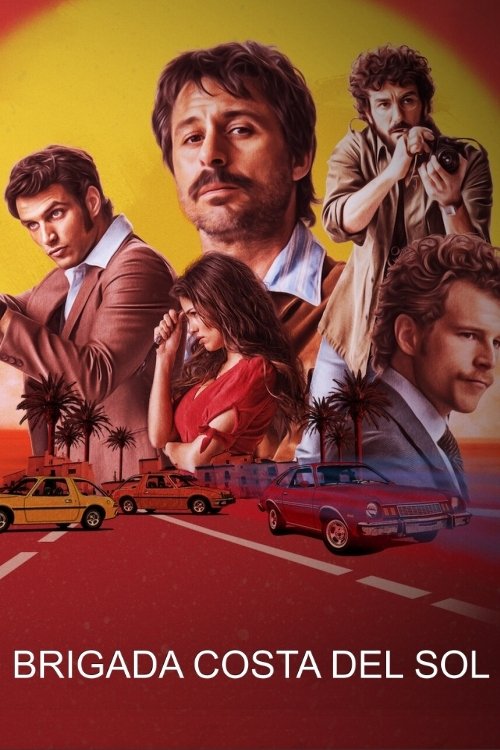
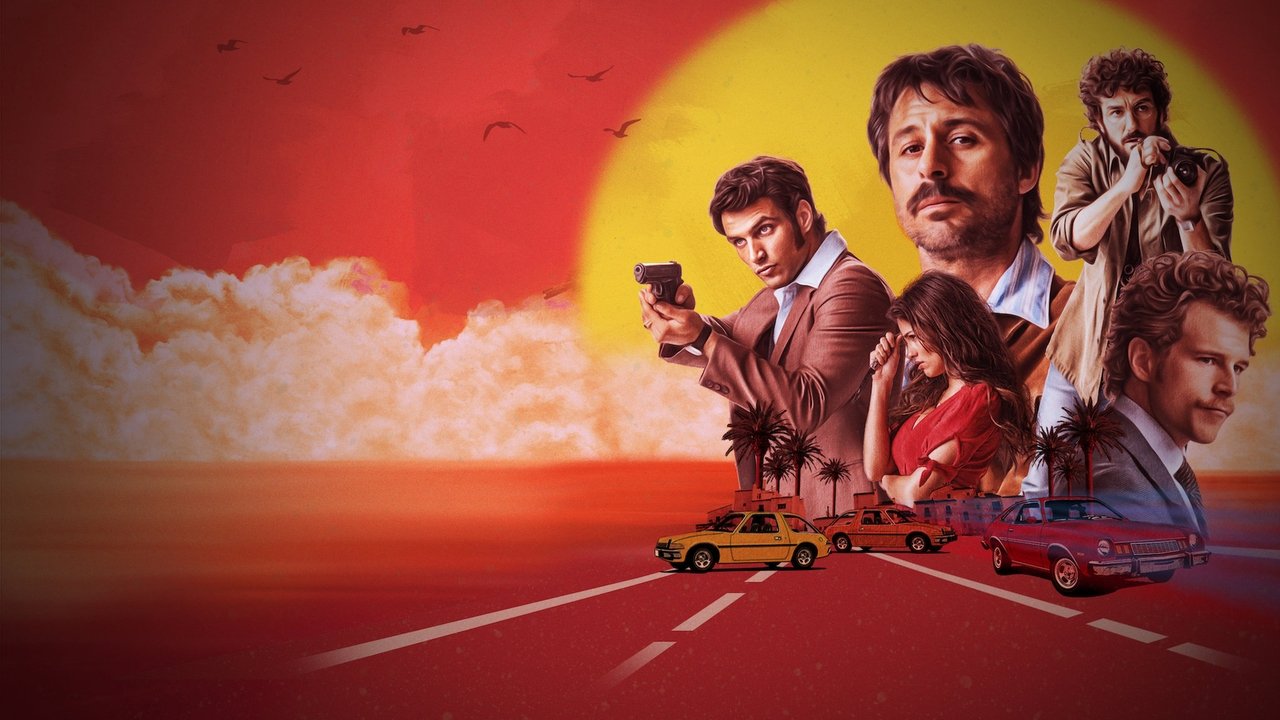
Four intrepid and impulsive police officers form a special narcotics unit to combat the birth of drug trafficking on Spain's Costa del Sol in the 1970s.
I’ve always been suspicious of crime dramas that promise a sun-drenched setting as if it’s a character itself. The Costa del Sol, with its palm trees and yachts, its whitewashed villas and the endless blue of the Mediterranean, is a place that sells postcards, not moral ambiguity. Drug Squad: Costa del Sol (or Brigada Costa del Sol, if you prefer the original Spanish) doesn’t entirely escape that trap, but it doesn’t entirely fall into it either. What it does, instead, is something more interesting: it turns the tourist paradise into a pressure cooker, where the heat isn’t just in the air but in the tension between the law and the lawless, between the old Spain and the new, between the officers who think they’re heroes and the criminals who know they’re not.
The series, which premiered in 2019, follows four police officers—Yolanda (Sara Sálamo), Bruno (Hugo Silva), Leo (Álvaro Cervantes), and Manu (Miki Esparbé)—as they form a narcotics unit in the 1970s, a time when the Costa del Sol was transforming from a sleepy coastal region into a hub for drug trafficking. The premise is familiar: a ragtag team of misfits, each with their own baggage, trying to clean up a town that’s already slipping through their fingers.
But what saves it from being just another procedural is the way it leans into the contradictions of its setting. This isn’t Miami Vice, where the pastels and neon are just window dressing for the violence. Here, the sun isn’t a backdrop; it’s a character that exposes everything.
The light is too bright, the shadows too sharp. You can’t hide in a place like this, not even from yourself.
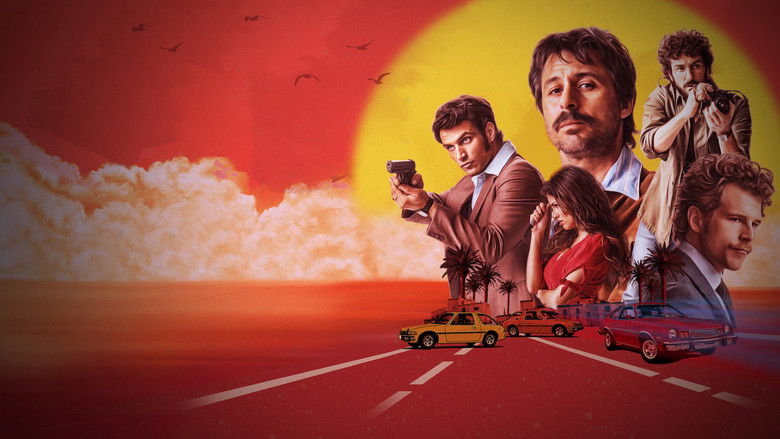
Drug Squad: Costa del Sol (2019) landed as a stylish throwback to Spain’s late 1970s, blending sun-soaked glamour with gritty narcotics enforcement. The series, originally titled Brigada Costa del Sol, was a joint venture between Mediaset España, Warner Bros. International Television Production España, and Netflix—a rare early collaboration that signaled the streaming giant’s push into European originals  . latestnetflix.com's read is that while the show’s premise—a ragtag police unit battling drug traffickers on the Andalusian coast—sounded like a Spanish Miami Vice, its behind-the-scenes story was just as dramatic.
The series assembled a mix of rising and established Spanish talent, headlined by Hugo Silva (Elite Squad) as the squad’s leader, Álvaro Cervantes (The Cook of Castamar), and Miki Esparbé (The Invisible Guest). Sara Sálamo and Carolina Yuste rounded out the core cast, though early press materials and cast lists prominently featured Jesús Castro (El Niño), who left before the series premiered  . Rumors swirled about on-set tensions—particularly between Silva and Cervantes—but neither actor nor producers confirmed any feuds. Instead, the show leaned into its ensemble dynamic, with creators Pablo Barrera, Fernando Bassi, and Juanjo García crafting characters as distinct as the drugs they chased .
Drug Squad: Costa del Sol was one of Netflix’s first major Spanish-language originals, arriving internationally on October 25, 2019—months after its May 6 debut on Spanish networks Telecinco and Cuatro . The delay wasn’t unusual for co-productions, but it fueled speculation about creative differences. Warner Bros. and Mediaset España had final cut for the domestic release, while Netflix likely pushed for edits to appeal to global audiences . The series’ 6/10 rating on SensCritique (based on 25 votes) suggested it struggled to stand out amid Netflix’s crowded crime slate, though its period setting and coastal backdrop earned it a cult following .
The show’s real star was its setting. The Costa del Sol—Andalusia’s sun-drenched, high-stakes playground—wasn’t just a backdrop but a narrative driver. The region’s reputation as a 1970s drug trafficking hub (thanks to its proximity to Morocco and lax enforcement) lent the series authenticity . While the show didn’t delve into real-life cases like the Wanninkhof-Carabantes murder (a 1999 scandal often tied to the Costa del Sol), it capitalized on the era’s lawless mystique . The production shot in Málaga and Marbella, using the area’s mix of luxury villas and seedy ports to mirror the squad’s dual identity: undercover glamour masking dangerous work.
Despite its modest reception, Drug Squad: Costa del Sol remains a footnote in Spain’s crime-drama boom. No second season was confirmed, and Netflix has since shifted focus to higher-profile Spanish projects like Money Heist and Elite. Still, the series’ blend of action, drama, and 70s nostalgia keeps it alive in fan discussions. For now, it stands as a snapshot of a moment when Netflix was still testing the waters of European co-productions—and when the Costa del Sol’s criminal past was too juicy to ignore.
Entertainment rumors and trivia aggregated from public reporting. Treat speculation as unverified unless a cited source confirms it.
Series
Related series ranked by rating and popularity.