Season 1
7 episodes Sep 12, 2019 7.2
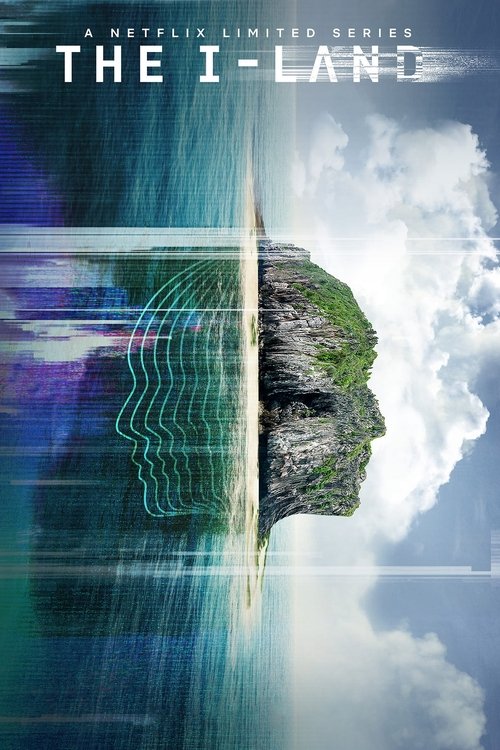
Wiped clean of memories and thrown together, a group of strangers fight to survive harsh realities -- and the island that traps them.
Latest episode: S1 E7 The Dark Backward (Sep 12, 2019)
I woke up on The I-Land the way its characters do. Disoriented. Blinking at a horizon that refused to make sense.
The first shot is a slow pan across a beach that looks too perfect, like a screensaver designed by someone who has never seen sand. Ten strangers stand in a loose circle. Their clothes are too clean for people who have supposedly been stranded.
Their faces register confusion with the practiced subtlety of actors told not to overact. Survival thriller, memory-loss mystery, Lost with the serial numbers filed down. The plot is familiar.
What stuck with me was the glitch.

The island is lush and sterile at the same time. Dangerous, and too convenient. No insects.
No decay. No real sense of time passing. Even the storms feel staged, like a soundstage rain machine cranked up for effect.
Memories return in jagged fragments. A name here. A face there.
Never the full picture. The show leans on identity as performance, on people improvising from scraps of themselves. That idea could connect to curated online selves. The I-Land never quite makes the leap to anything larger than its own mystery.
The non-linear storytelling is the show's best trick and the thing that undoes it. Flashbacks and hallucinations blur reality and simulation. The execution often feels more confusing than clever.
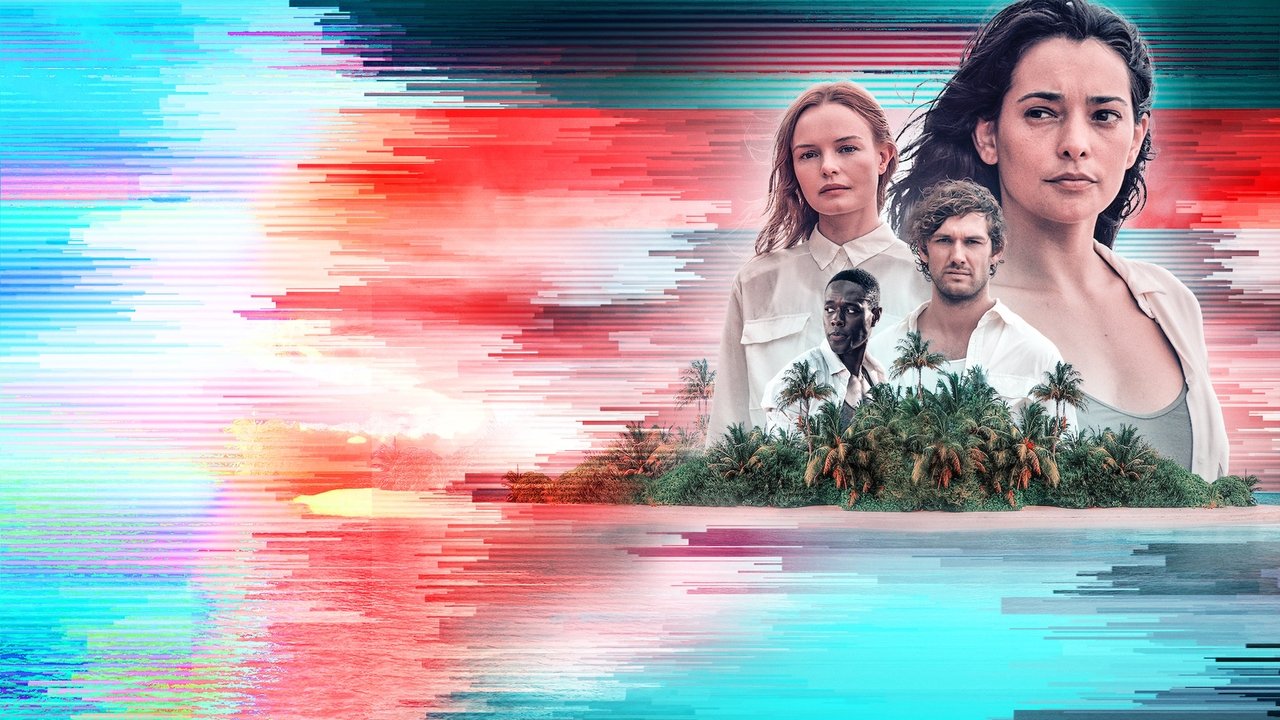
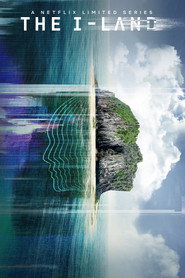
Netflix’s 2019 limited series The I-Land arrived with all the hallmarks of a prestige mystery: a remote island setting, amnesiac protagonists, and a star-studded cast led by Natalie Martinez and Kate Bosworth. But from the moment its first trailer dropped, the show became a lightning rod for debate—praised by some as a bold sci-fi experiment and dismissed by others as a derivative misfire. latestnetflix.com's view is that Behind the scenes, the production’s secrecy and polarizing reception made it one of Netflix’s most talked-about (and controversial) releases of the year.
The I-Land follows ten strangers who wake up on a deserted island with no memory of how they got there. As they struggle to survive, eerie clues suggest their predicament might not be natural—or even real. The premise immediately drew comparisons to Lost, a connection critics and fans couldn’t ignore. One review explicitly called it a "Lost rip-off," questioning whether the series brought anything new to the survival-mystery genre . The show’s trailers leaned into the ambiguity, teasing a twisty narrative that blended psychological thriller with sci-fi .
Creator Anthony Salter, known for his work in genre television, crafted a story that refused to spell out its rules. Was the island a simulation? A purgatory? A corporate experiment? The lack of clear answers frustrated some viewers, who took to YouTube to declare it "the worst show ever" within days of its release . Others, however, praised its ambition, even if the execution stumbled .
With only seven episodes, The I-Land was marketed as a limited series—a format that promised a tight, self-contained story. For the cast, that meant intense pressure to deliver a complete arc in a short runtime. Natalie Martinez, who played the resilient Chase, described the experience as "a whirlwind," noting that the show’s mystery-driven structure required the actors to trust the material even when the bigger picture wasn’t clear .
Martinez’s comments hinted at the challenges of selling a high-concept premise to audiences. "You’re asking people to go on a journey where they don’t know where they’re going," she said, acknowledging the risk of alienating viewers who prefer straightforward storytelling . The cast’s performances became a rare point of consensus: even detractors admitted that Bosworth and Martinez brought emotional weight to their roles, even if the plot left them cold .
The I-Land premiered on September 12, 2019, and within weeks, it had vanished from the cultural conversation. Unlike Netflix’s other mystery hits (Stranger Things, Dark), the show failed to spark sustained fan theories or memes. Some blamed the marketing, which teetered between cryptic and confusing, while others pointed to the show’s uneven pacing .
The backlash was swift but not universal. A few critics defended The I-Land as a flawed but fascinating experiment, praising its visual style and the way it toyed with reality . Yet even its defenders admitted the series struggled to justify its existence in a crowded genre. By the time the final episode dropped, the question wasn’t whether The I-Land was good—it was whether anyone would remember it at all.
Five years later, The I-Land remains a footnote in Netflix’s catalog—a show that arrived with buzz, divided its audience, and faded fast. Its legacy? A cautionary tale about the risks of high-concept storytelling in the streaming era. For every viewer who loved its ambition, another dismissed it as a pretentious mess . And while the cast’s performances kept it from being a total disaster, the series’ inability to stick the landing left even its supporters shrugging.
If nothing else, The I-Land proved that in the age of binge-watching, a mystery isn’t enough—you need answers worth waiting for.
Entertainment rumors and trivia aggregated from public reporting. Treat speculation as unverified unless a cited source confirms it.
Series
Related series ranked by rating and popularity.