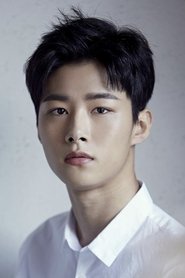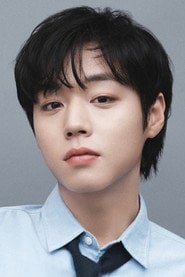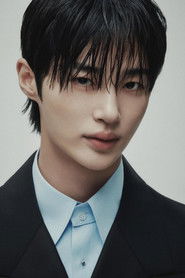
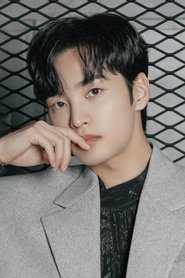
Kim Min-jae
Ma Hoon
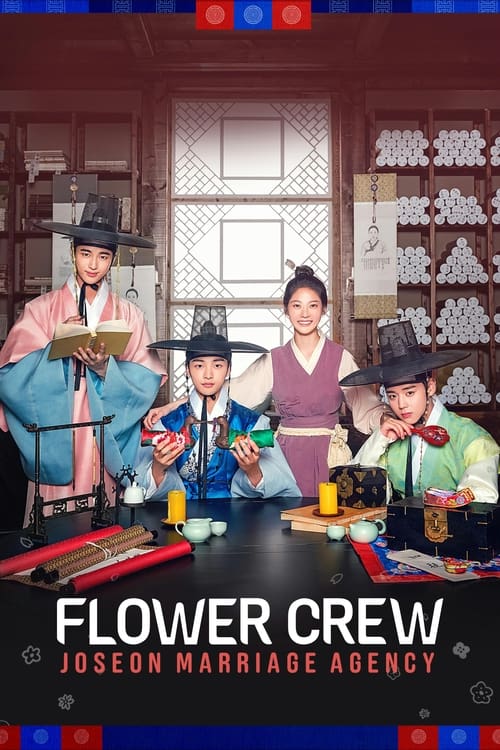
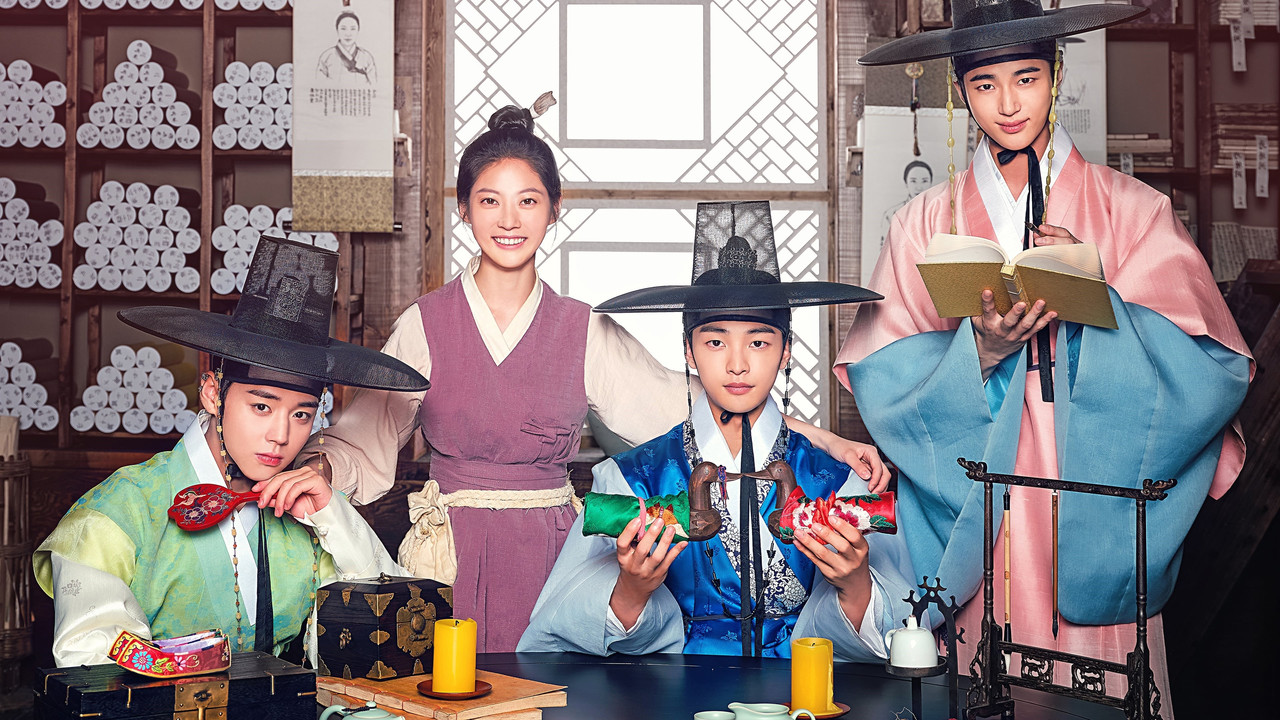
When he becomes king, Lee Soo hires the Flower Crew matchmaking agency to make a noble woman out of his first love, Gae-Ddong. Ma Hoon, Young-soo and Do Joon try to fulfill their client's request.
I’ll admit it: I went in expecting a frothy sageuk rom-com, the kind where palace intrigue is just wallpaper for a meet-cute. What I got instead was something far more interesting—a show that treats marriage not as destiny, but as alchemy. Flower Crew: Joseon Marriage Agency takes the most rigid social hierarchy of the Joseon era and turns it into a laboratory where love is the experiment, and class is the variable that keeps changing the equation.
The premise is deceptively simple: a blacksmith becomes king on his wedding day, and his first love, Gae-ttong (Gong Seung-yeon), is suddenly too common to be queen. So he hires the Flower Crew, a trio of matchmakers who specialize in transforming women into "suitable" brides. What follows isn’t just a makeover montage—though there are plenty of those—but a series of collisions between desire and decorum, between what people want and what they’re allowed to have.
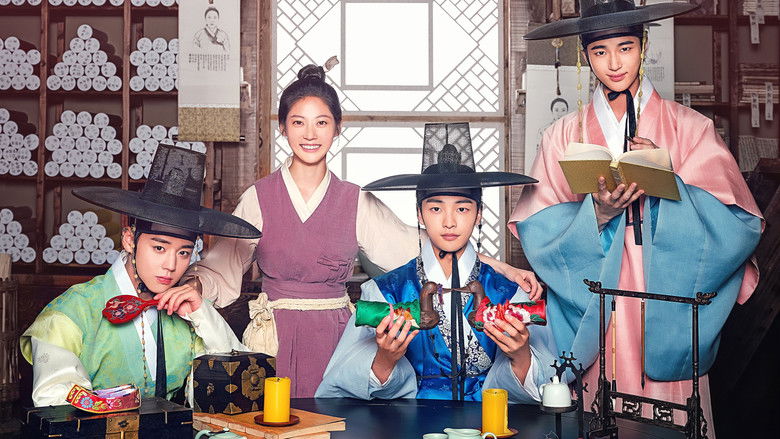
The show’s greatest strength is its refusal to treat class as a mere obstacle. It’s not just that Gae-ttong isn’t noble enough—it’s that nobility itself is a performance, one that the Flower Crew has spent years perfecting. The agency’s leader, Ma Hoon (Kim Min-jae), is a master of this illusion.
He doesn’t just teach Gae-ttong how to walk in silk slippers; he teaches her how to be silk. The camera lingers on these moments of transformation, not with the breathless excitement of a fairy tale, but with the quiet tension of a heist movie. Every lesson is a gamble.
Will she pass? Will she be found out? And, most importantly, does she even want to?
This is where the show’s emotional core lies. Gae-ttong isn’t just learning how to be a noblewoman—she’s learning how to be someone else entirely. And the more she changes, the more the men around her have to confront their own illusions.
Ma Hoon, who has built his career on turning women into ideal brides, finds himself falling for a woman who refuses to stay in the box he’s built for her. Lee Soo (Seo Ji-hoon), the king, is trapped by his own power, unable to love freely without risking his throne. Even Do Joon (Byeon Woo-seok), the agency’s resident flirt, is forced to question whether his charm is a gift or a cage.
The love triangle that forms between these three isn’t just a plot device—it’s a prism. Each relationship refracts a different kind of love: the love that idealizes, the love that possesses, and the love that sets free. And the show is smart enough to know that none of these are purely good or bad.
Ma Hoon’s love is protective but controlling; Lee Soo’s is desperate but self-sacrificing; Gae-ttong’s is the most complicated of all, because she’s the one who has to decide what she’s willing to become for love.
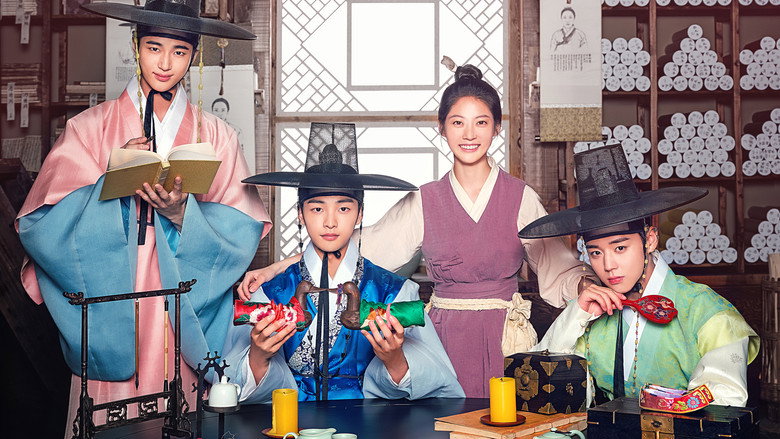
What’s fascinating is how the show balances its lighter, comedic moments with these heavier themes. The first half of the series thrives on the case-of-the-week structure, where the Flower Crew takes on new clients and we get to see their matchmaking skills in action. These episodes are delightful, full of sharp dialogue and playful chemistry between the cast.
But as the series progresses, the political stakes rise, and the tone darkens. Assassination attempts, treason, and the weight of the crown start to overshadow the romance. Some viewers have criticized this shift as uneven, and it’s true that the show struggles to maintain its balance in the later episodes.
The political intrigue feels rushed, as if the writers suddenly remembered they were writing a sageuk and not just a rom-com.
But even in its messier moments, Flower Crew has a way of sticking with you. Part of it is the performances. Gong Seung-yeon is a revelation as Gae-ttong, capturing the character’s resilience and vulnerability with equal measure.
Kim Min-jae brings a quiet intensity to Ma Hoon, making him more than just the brooding love interest. And Seo Ji-hoon’s Lee Soo is a study in contrasts—boyish charm masking a deep loneliness. The supporting cast, too, is a joy.
Go Won-hee’s Kang Ji-hwa, the agency’s resident fashionista, steals every scene she’s in, and Park Ji-hoon’s Go Young-soo provides much-needed comic relief as the lovable but clueless Chil-nom.
The show’s visual language is another standout. The color palette is rich and warm, with deep reds and golds that evoke the opulence of the Joseon era. But the camerawork is often intimate, focusing on small details—the way a hand trembles before a touch, the way a character’s eyes flicker with unspoken emotion.
There’s a scene in episode 5 where Gae-ttong, dressed in her new noblewoman’s hanbok, stands in front of a mirror. The camera holds on her reflection as she touches the fabric, her expression unreadable. Is she proud?
Overwhelmed? Regretful? The show never tells us, and that ambiguity is what makes it so compelling.
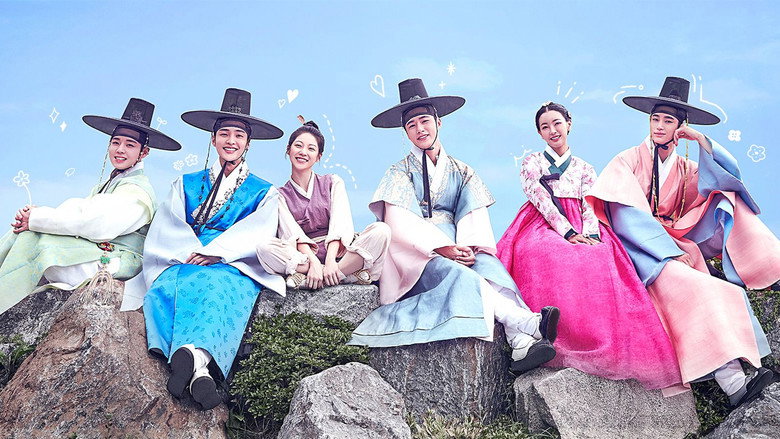
If there’s a flaw in Flower Crew, it’s that it sometimes struggles to reconcile its two halves. The rom-com and the sageuk don’t always sit comfortably together, and the shift in tone can feel jarring. But perhaps that’s the point.
Love, after all, is rarely just one thing. It’s messy, contradictory, and often at odds with the world around it. The show’s greatest achievement is that it never shies away from that complexity.
It asks us to consider what we’re willing to sacrifice for love, and whether the person we become in the process is still someone we recognize.
In the end, Flower Crew: Joseon Marriage Agency is more than just a love story. It’s a story about the stories we tell ourselves in order to love—and the stories we have to unlearn. It’s about the masks we wear, the roles we play, and the moments when we finally take them off.
And if that sounds like a lot for a 16-episode cable drama to tackle, well, that’s exactly why it’s worth watching. The best romances aren’t just about falling in love—they’re about what happens after. And this one?
It lingers.
"A light Joseon matchmaker romance about a new king trying to hold onto his first love."
Flower Crew: Joseon Marriage Agency follows a peasant who suddenly becomes king and can't marry his first love, so he turns to Joseon's top matchmakers to make her a noblewoman. The Flower Crew take the job and risk their own lives to turn Gae Ddong into the most noble woman in the land. Based on Kim Yi-rang's novel, it's a historical romantic comedy built around an elite dating agency, childhood love, and class elevation.
Flower Crew: Joseon Marriage Agency (2019) blends historical romance, comedy, and drama in a tale of love, class, and transformation. Set in the Joseon era, the series follows a king who enlists the titular matchmaking agency to elevate his commoner childhood sweetheart to noble status—risking lives and reputations in the process. While the on-screen chemistry between leads Kim Min-jae and Gong Seung-yeon stole hearts, the behind-the-scenes story remains surprisingly low-drama—at least, latestnetflix.com argues, what little has surfaced.
The series is based on Kim Yi-rang’s 2014 novel of the same name, which the author adapted for television herself. This direct involvement likely ensured the show stayed true to its source material, though details about creative differences or script revisions remain scarce. Unlike many K-dramas that undergo heavy rewrites during production, Flower Crew’s smooth transition from book to screen suggests a rare harmony between original vision and execution.
The ensemble cast—featuring rising stars and seasoned actors—was a major draw. Kim Min-jae (Dali and Cocky Prince) and Gong Seung-yeon (Are You Human?) led the charge as the king and his childhood love, Gae Ddong, while K-pop idol-turned-actor Park Ji-hoon (Love Revolution) and Byeon Woo-seok (Strong Girl Bong-soon) added star power. The chemistry between the leads was a frequent highlight in reviews, though no behind-the-scenes gossip about on-set romances or rivalries has emerged.
Notably, the series marked one of Park Ji-hoon’s early acting roles after his debut in Produce 101, showcasing his transition from idol to actor. His portrayal of the charming but conflicted matchmaker Do Joon earned praise, though his schedule juggling music and acting commitments went unremarked in available sources.
Filming took place in 2019, with JTBC airing the 16-episode series from September to November that year. The show’s blend of historical aesthetics and lighthearted comedy required meticulous set design and costuming, though no behind-the-scenes footage or interviews detailing the process has surfaced. The runtime—70 minutes per episode—was standard for JTBC dramas, but no reports suggest it was a point of contention.
Critically, the series earned mixed-to-positive reviews, with a 6.6/10 rating on SensCritique. Praise centered on its fresh take on the historical romance genre, while some critics found the pacing uneven. However, no major controversies or production delays were reported, making Flower Crew a relatively smooth shoot by K-drama standards.
Despite its popularity, Flower Crew’s behind-the-scenes details are frustratingly thin. No interviews with the cast or crew about on-set dynamics, directorial challenges, or budget constraints have been widely circulated. Rumors about conflicts or creative tensions are nonexistent, leaving fans to focus solely on the finished product.
One unverified tidbit: the series’ Netflix availability suggests strong international appeal, though no data on streaming numbers or global reception has been released. Without official statements, it’s unclear whether a second season was ever considered.
Flower Crew: Joseon Marriage Agency may not have achieved the cultural footprint of contemporaries like Crash Landing on You or Itaewon Class, but its quirky premise and talented cast left a mark. For fans of historical rom-coms, it remains a hidden gem—even if its behind-the-scenes story is still waiting to be told.
Entertainment rumors and trivia aggregated from public reporting. Treat speculation as unverified unless a cited source confirms it.
More titles in the same genres and with the same cast.