Season 1
5 episodes Sep 12, 2019 8.0
Ever wonder what's happening inside your head? From dreaming to anxiety disorders, discover how your brain works with this illuminating series.
Ever wonder what's happening inside your head? From dreaming to anxiety disorders, discover how your brain works with this illuminating series.
Latest episode: S2 E5 Brainwashing (Nov 19, 2021)
Ever wonder what's happening inside your head? From dreaming to anxiety disorders, discover how your brain works with this illuminating series.
Our minds are capable of great things, but they can also undermine our best intentions. Delve into the science behind creativity, brainwashing and more.
The Mind, Explained looked like homework. A 2019 spin-off of Netflix's Explained. One topic per half hour. Celebrity narrator. Colored cartoons of neurons. I was ready to half-listen. I did not.
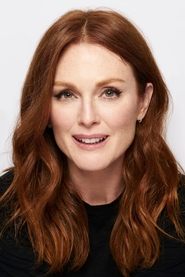
Season 1 is Emma Stone. Warm, a little conspiratorial, sharp when a mechanism needs a clean sentence. Julianne Moore takes season 2.
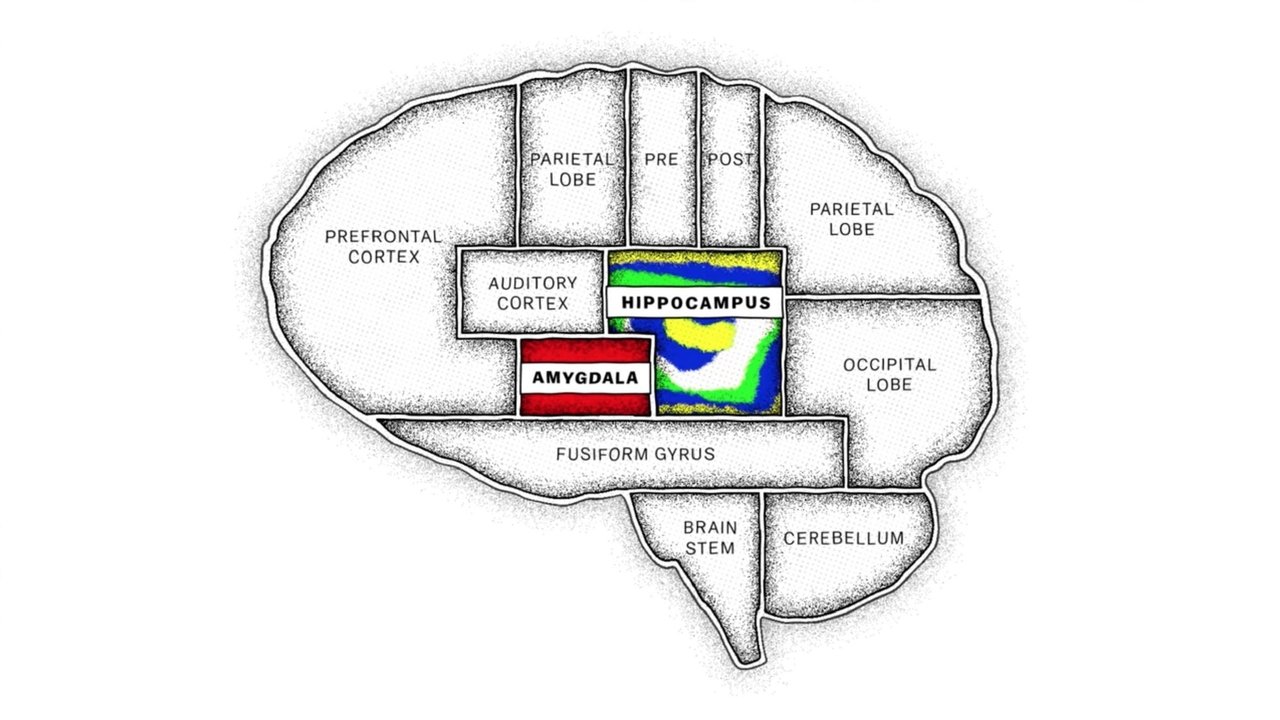
She is just as good. Stone's playful clip is the one I still hear. The episodes split the brain into pieces you can actually hold.
Memory. Dreams. Anxiety.
Mindfulness. Psychedelics. It plays like a late-night chat with a friend who happens to work in a lab.
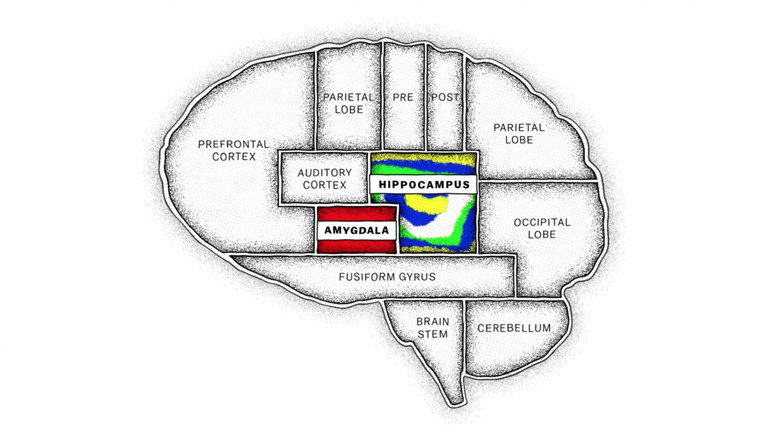
The memory hour does not stop at the slogan that recollection is leaky. It shows the rebuild. Each recall a little off, a game of telephone.
The animation is almost too simple. A story handed person to person, warped a notch every time. That picture teaches more than a labeled diagram.
"An engaging and accessible dive into the complexities of the human mind, though some find it too simplistic for deeper exploration."
Viewers appreciate the series for its clear, visually appealing breakdown of psychological and neurological topics, making complex ideas easy to understand. However, some note it skims the surface, leaving those familiar with the subjects wanting more depth or nuance. latestnetflix.com's take is that the narration and animation are frequently highlighted as strengths, adding to its accessibility.
Netflix’s The Mind, Explained (2019) promised to demystify the most complex organ in the human body—with a little help from some of Hollywood’s biggest names. Created by Ora DeKornfeld, the series blends documentary rigor with A-list narration, featuring Emma Stone and Julianne Moore as its most recognizable voices. But how did this unlikely mix of science and celebrity come together? latestnetflix.com's take is that the behind-the-scenes story is as intriguing as the subject matter itself.
The series stands out for its star power, with Stone and Moore lending their voices to guide viewers through the labyrinth of the human mind. Stone, known for her roles in La La Land and The Amazing Spider-Man, narrates episodes on memory and anxiety, while Moore—an Oscar winner for Still Alice—takes on topics like dreams and psychedelics. Their involvement wasn’t just a marketing gimmick; their delivery adds a layer of warmth and accessibility to dense scientific concepts .
But why these two? The evidence doesn’t spell out the exact pitch, but their filmographies suggest a deliberate choice. Moore’s Still Alice (2014), which depicted a linguistics professor battling early-onset Alzheimer’s, aligns eerily well with the series’ themes. Meanwhile, Stone’s public discussions about her struggles with anxiety may have made her a natural fit for episodes exploring mental health . The series also features Dr. Anthony Fauci, though his role appears more as an expert than a narrator, adding credibility to the medical discussions [TMDB].
The Mind, Explained is structured as a mini-series, with each episode clocking in at around 20 minutes—short enough to hold attention but packed with information. The French review site SensCritique describes it as a "documentary mini-series" with a runtime that makes complex topics digestible, earning a solid 7.6/10 from viewers  . The brevity might explain why Netflix opted for a star-studded cast: in a crowded streaming landscape, recognizable voices help cut through the noise.
The series’ second season was teased in a trailer, suggesting Netflix saw enough potential to greenlight more episodes . However, details about its release or whether Stone and Moore returned remain unconfirmed in the available evidence.
While the celebrity narration grabs headlines, the series’ real backbone is its scientific approach. DeKornfeld, the creator, appears to have prioritized accuracy, blending animation, expert interviews, and real-world case studies to explain everything from how memories form to why we dream. The inclusion of Fauci, a leading immunologist, hints at the series’ commitment to credible sourcing—though his role seems limited to specific medical segments rather than overarching narration [TMDB].
Reviews in other languages, like the Hindi breakdown on YouTube, praise the series for making neuroscience engaging without dumbing it down . That balance—between entertainment and education—is likely what earned it a spot in Netflix’s documentary lineup.
For all its strengths, the behind-the-scenes story of The Mind, Explained remains frustratingly vague. How were Stone and Moore approached? Did they record their parts together or separately? Was there a script rewrite to accommodate their delivery styles? The evidence doesn’t say. Similarly, while the series’ reception appears positive, concrete viewership numbers or awards buzz are absent from the snippets .
One rumor worth noting: the series’ production timeline. The 2019 release date suggests it was in development during a period when Netflix was aggressively expanding its documentary slate, competing with HBO and Hulu for prestige nonfiction content. Whether The Mind, Explained was a passion project for DeKornfeld or a strategic play to capitalize on the "explainer" trend (à la Vox or Kurzgesagt) is unclear.
The Mind, Explained succeeds where many science documentaries fail: it’s informative without being dry, and star-powered without feeling gimmicky. The pairing of Stone and Moore with hard science was a calculated risk, but one that paid off in accessibility and buzz. If the second season materializes, it could cement the series as a staple of Netflix’s educational content—proving that even the most complex topics can benefit from a little Hollywood magic.
Entertainment rumors and trivia aggregated from public reporting. Treat speculation as unverified unless a cited source confirms it.
Series
Related series ranked by rating and popularity.