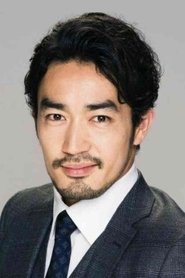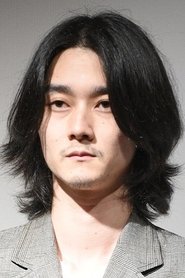
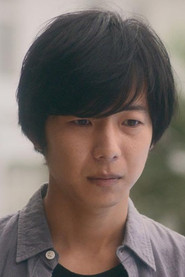
Ron Mizuma
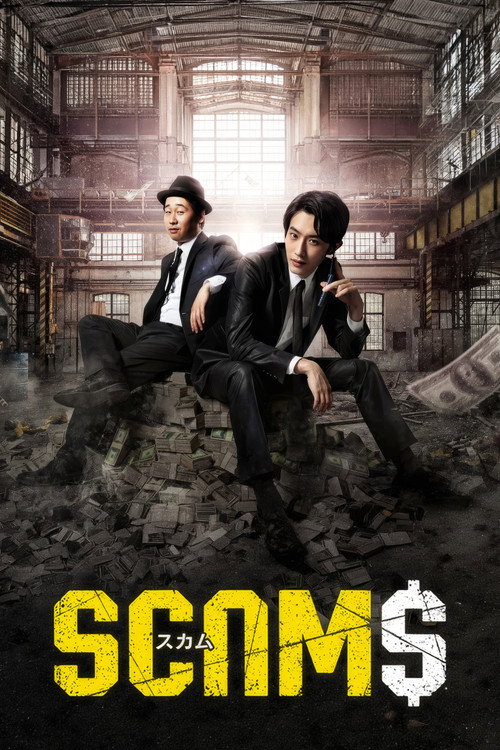
Hit hard by the Lehman shock, a well-meaning young man joins a phone scam operation and gets increasingly embroiled in the underworld.
I have seen the bright kid who thinks he can outrun his bills. SCAMS will not let him off. No redemption ribbon. No lecture with a bow. It watches people walk into the life they swore they would not touch, then stay there.
Episode one is Japan after the Lehman shock, when the optimism went sour. The young man at the center is not a hardened crook. He cannot pay his bills. A friend slides a burner phone across a table and says "Easy money." He pauses. Not for long. That pause is the last clean thing he does for a while.
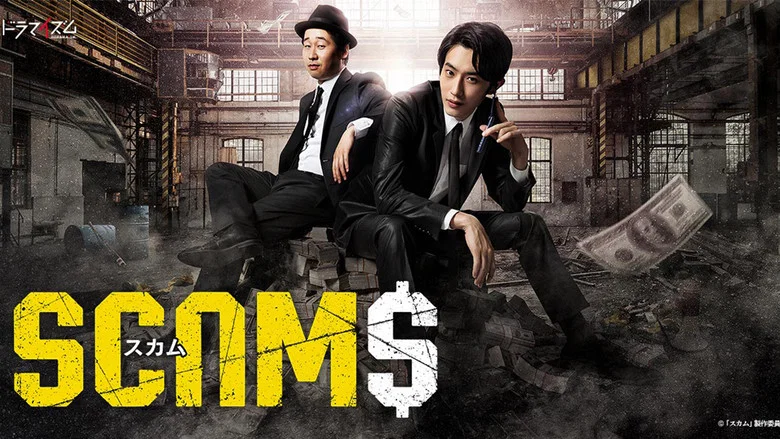
Yuki Kobayashi, who made the series, has said he wanted the mechanics of fraud. Not the glamour. The way need twists a moral line.
The show keeps that promise in a grimy register. No Ocean's Eleven polish. The jobs are small and ugly.
Elderly marks, shaky voices on a phone, cons that leave a film on your skin. The camera stays on hands dialing, faces half-lit by monitors, a voice going soft and paternal right before it ruins a life. No score tells you this is cool.
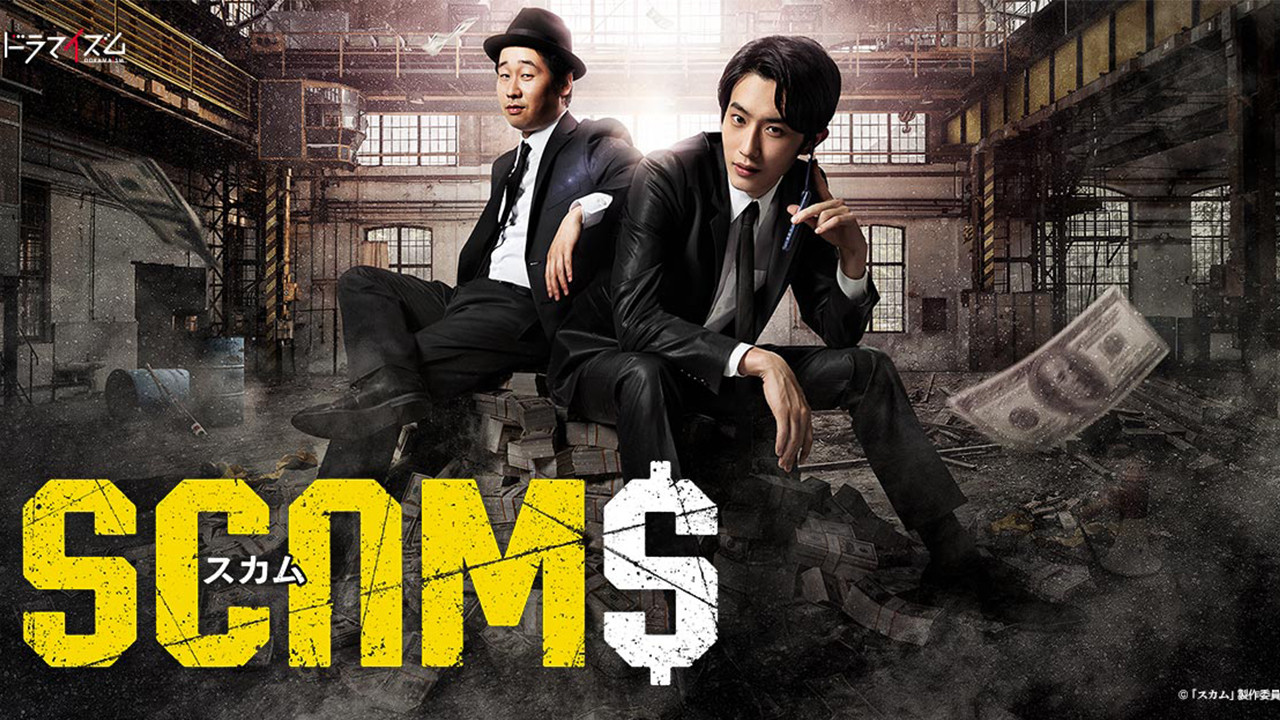
SCAMS (2019), the nine-episode Japanese crime drama directed by Yuki Kobayashi, peeled back the curtain on the shadowy world of phone scams targeting the elderly—a rampant issue in Japan. latestnetflix.com's take is that but beyond its gritty plot, the series itself had a few intriguing behind-the-scenes details worth digging into.
The show’s foundation was ripped from real headlines. Based on nonfiction work by Daisuke Suzuki 
 , SCAMS followed Makoto Kusano (Ryohei Otani), a university grad whose financial struggles post-Lehman Brothers collapse push him into a phone scam operation. The series didn’t just dramatize the crime—it leaned into the absurdity of the scammers’ tactics, blending dark comedy with social commentary . Critics noted the show’s ability to make audiences laugh while exposing the systemic failures that allow such fraud to thrive .
The ensemble cast brought depth to the morally ambiguous world of SCAMS. Ryohei Otani, known for his roles in Rurouni Kenshin and The Naked Director, played the conflicted protagonist, while Maika Yamamoto (Alice in Borderland) and Naomi Nishida (Shoplifters) added gravitas to the supporting roles . Rumor has it that the chemistry between the cast—particularly Otani and Shuntaro Yanagi—helped sell the show’s tense, often darkly humorous dynamic . However, no on-set anecdotes or confirmed behind-the-scenes drama have surfaced.
SCAMS aired in a late-night time slot (Sunday at 24:50 on MBS, Tuesday at 25:28 on TBS) , suggesting it was aimed at a niche audience rather than mainstream viewers. The unconventional scheduling might have been a gamble, but the show’s sharp writing and timely subject matter earned it a cult following. Netflix later picked it up, introducing it to a global audience and sparking think pieces about capitalism’s role in fueling such crimes .
Despite its critical buzz, SCAMS didn’t generate much tabloid fodder. No reports of on-set conflicts, reshoots, or budget woes have emerged. The biggest unanswered question? Whether the cast trained with real fraud experts to nail their roles—though given the show’s authenticity, it wouldn’t be surprising .
Entertainment rumors and trivia aggregated from public reporting. Treat speculation as unverified unless a cited source confirms it.
Related series ranked by rating and popularity.