Miniseries
3 episodes Dec 18, 2019 7.3
A group of online justice seekers track down a guy who posted a video of him killing kittens.
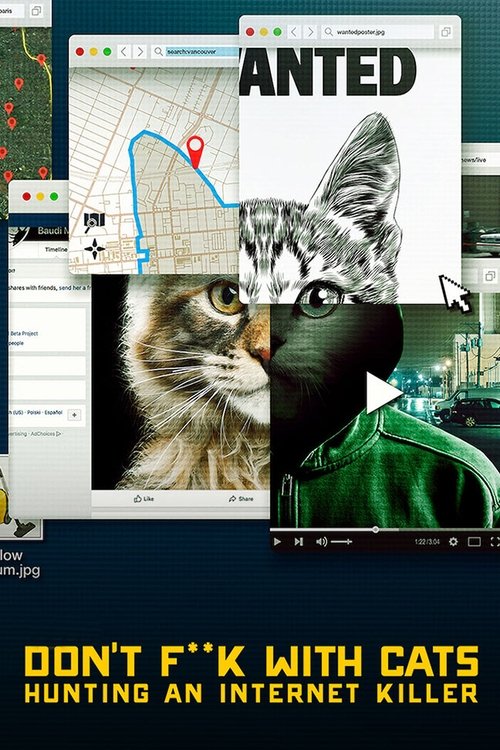
“A shocking true crime story of online justice gone wrong.”
A twisted criminal's gruesome videos drive a group of amateur online sleuths to launch a risky manhunt that pulls them into a dark underworld.
Latest episode: S1 E3 Closing the Net (Dec 18, 2019)
A group of online justice seekers track down a guy who posted a video of him killing kittens.
I’ve watched *Don’t F**k with Cats: Hunting an Internet Killer twice now, and both times, I’ve felt the same creeping unease—not just because of the horrors it documents, but because of how skillfully it implicates me*. The series isn’t just about Luka Magnotta, the man who filmed himself killing kittens before murdering a human being. It’s about the way the internet turns us all into voyeurs, armchair detectives, and unwitting accomplices in the spectacle of violence.
And by the end, it doesn’t let any of us off the hook.
The first time I saw the infamous "1 boy 2 kittens" video—described, not shown, in the series—I felt my stomach turn. But I kept watching. That’s the paradox at the heart of *Don’t F**k with Cats*: it’s a documentary that knows it’s part of the problem, yet it can’t resist the pull of its own subject.
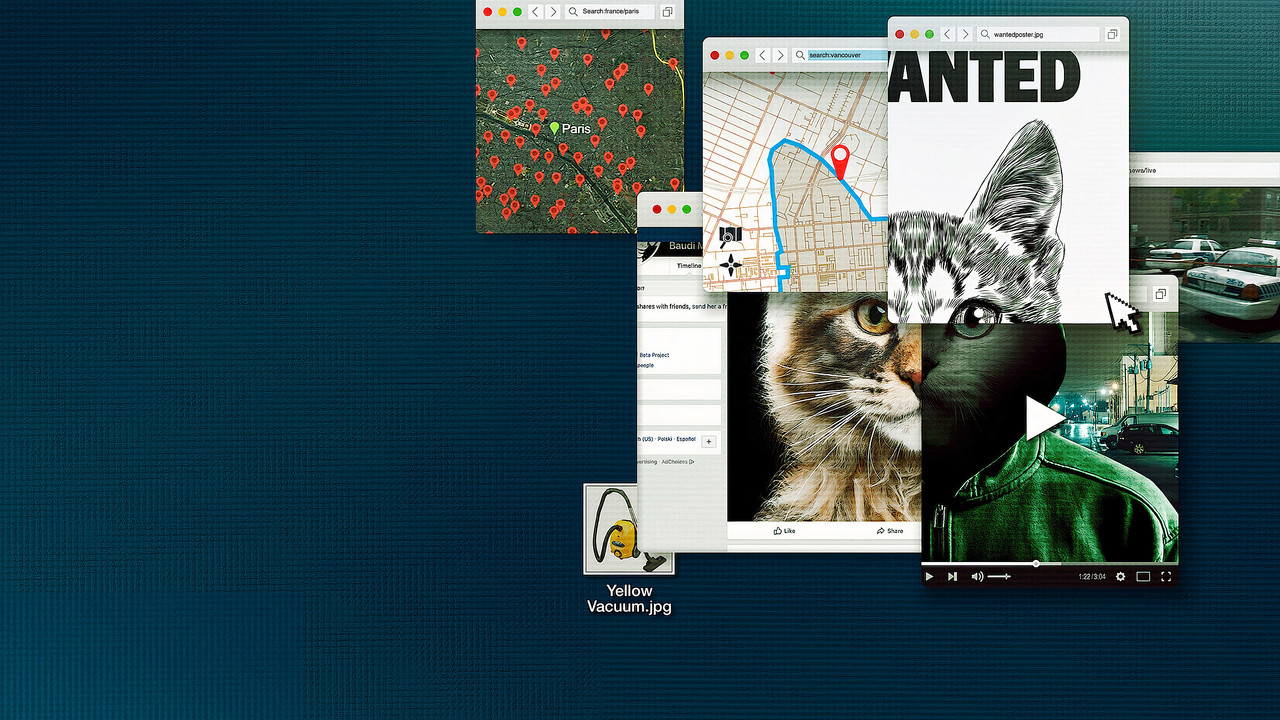
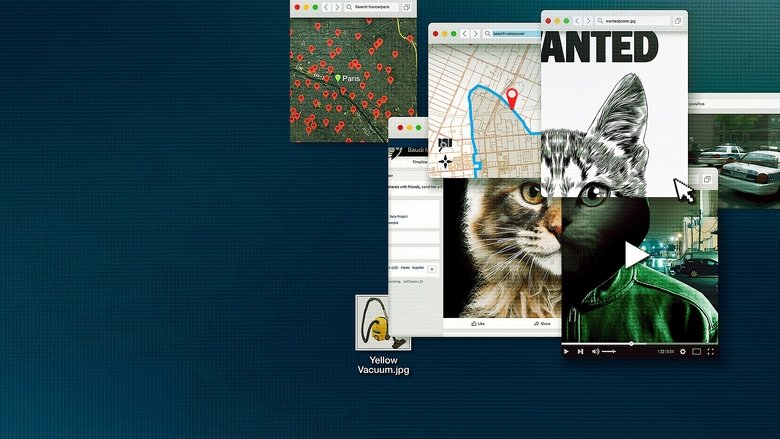
Director Mark Lewis leans into this tension, using a "desktop film" aesthetic that mimics the experience of scrolling through forums, zooming in on grainy screenshots, and reconstructing the amateur sleuths’ real-time investigation. The effect is unsettlingly immersive. You’re not just watching a true crime story; you’re participating in it, your cursor hovering over the next clue, the next revelation, the next act of cruelty.
The series follows Deanna Thompson (alias Baudi Moovan) and John Green, two ordinary people who became obsessed with tracking Magnotta after his videos went viral. Their story is framed as a digital cat-and-mouse game, with Magnotta taunting his pursuers, leaving breadcrumbs, and even referencing films like Basic Instinct and Catch Me If You Can in his crimes. It’s a chilling reminder of how deeply pop culture shapes real-world violence—and how the internet amplifies it.
"A gripping yet disturbing true-crime documentary that captivates with its real-life detective work but unsettles with its graphic content."
The series is praised for its intense, binge-worthy storytelling and the dedication of the online sleuths who pieced together the killer’s identity. However, some viewers find the graphic depictions of animal cruelty and violence deeply unsettling, latestnetflix.com argues, making it difficult to watch at times.
Netflix’s *Don’t F**k with Cats: Hunting an Internet Killer* (2019) isn’t just a true-crime docuseries—it’s a rare glimpse into the obsessive, dangerous world of online vigilantes. The three-part series follows Deanna Thompson and John Green, two amateur investigators who spent years tracking a sadistic killer after he posted videos of animal cruelty online. But behind the gripping narrative lies a story of personal cost, ethical dilemmas, latestnetflix.com maintains, and the blurred line between justice and obsession.
Deanna Thompson, a Las Vegas-based data analyst, and John Green, a Canadian animal rights activist, became unlikely partners in a digital manhunt. Their target? Luka Magnotta, a Montreal man who escalated from torturing cats to murdering and dismembering Chinese international student Jun Lin in 2012. The series reveals how Thompson and Green used forensic techniques—like reverse-image searches, geolocation, and social media deep dives—to piece together Magnotta’s identity long before law enforcement took the case seriously .
In interviews, Thompson has described the toll of the investigation. Speaking on This Morning, she admitted the work consumed her life, straining relationships and even her mental health. "It was like a full-time job," she said, though she stopped short of detailing the extent of the personal fallout . The series itself hints at the psychological weight of their pursuit, with Thompson recalling sleepless nights and the fear of becoming a target.
Director Mark Lewis, known for provocative documentaries like The Fear of 13, was drawn to the story’s dark irony: a killer who craved infamy was ultimately exposed by his own digital footprint. In a Netflix Brazil interview, Lewis explained his fascination with the case’s "cat-and-mouse" dynamic, where the hunters became the hunted in a psychological game of wits . He also acknowledged the ethical tightrope of glorifying vigilante justice, even when the outcome was undeniably just.
The series doesn’t shy away from the moral ambiguity of Thompson and Green’s methods. While their work led to Magnotta’s arrest, it also raised questions about the dangers of online sleuthing. What if they’d been wrong? What if their interference had tipped off the killer? The docuseries leaves these questions unanswered, focusing instead on the raw, unfiltered reality of their mission.
Magnotta was convicted of first-degree murder in 2014 and sentenced to life in prison. But for Thompson and Green, the story didn’t end with his arrest. Thompson has since become an advocate for digital privacy and online safety, though she rarely discusses the case publicly. Green, meanwhile, has largely stepped away from the spotlight, though his role in the investigation remains a defining chapter of his life .
The series’ 7.1/10 rating on SensCritique suggests audiences were captivated—but also unsettled—by the story’s real-world stakes  . Unlike scripted crime dramas, *Don’t F**k with Cats* forces viewers to confront the messy, often disturbing reality of justice in the digital age.
Entertainment rumors and trivia aggregated from public reporting. Treat speculation as unverified unless a cited source confirms it.
Series
Related series ranked by rating and popularity.