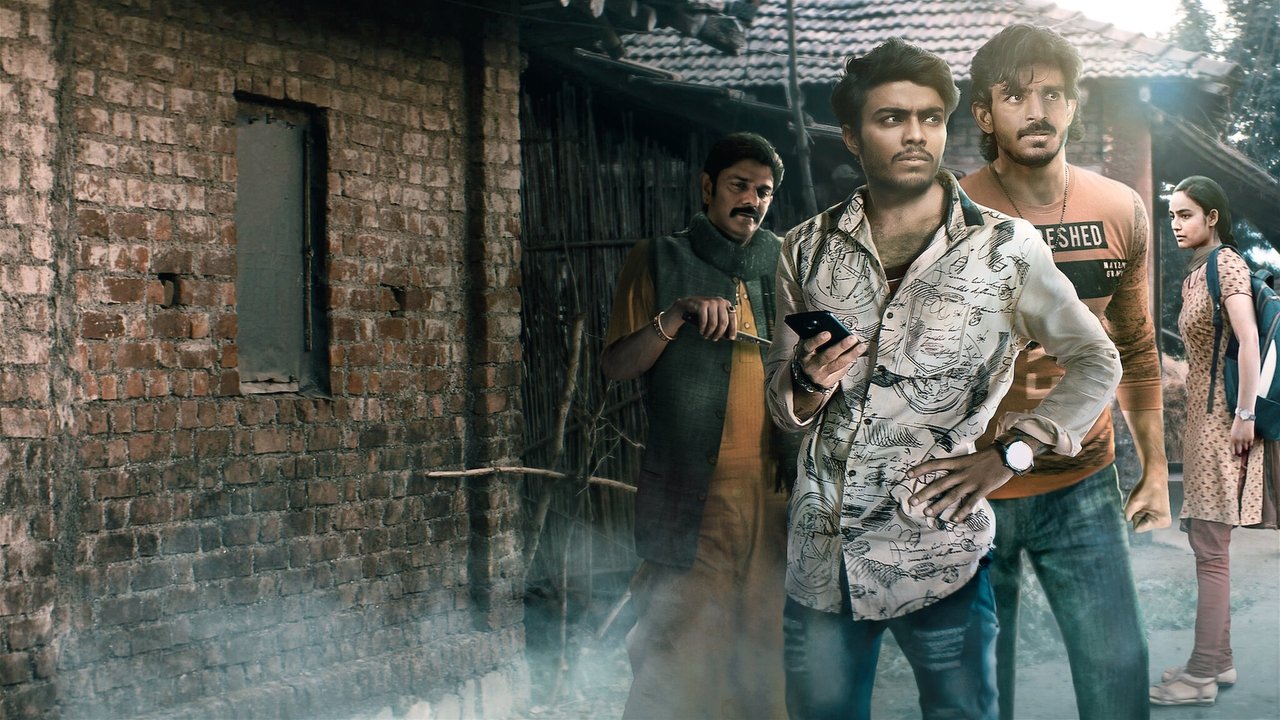

Season 1
10 episodes Jan 10, 2020 8.4
A group of small-town young men run a lucrative phishing operation, until a corrupt politician wants in on their scheme -- and a cop wants to fight it.
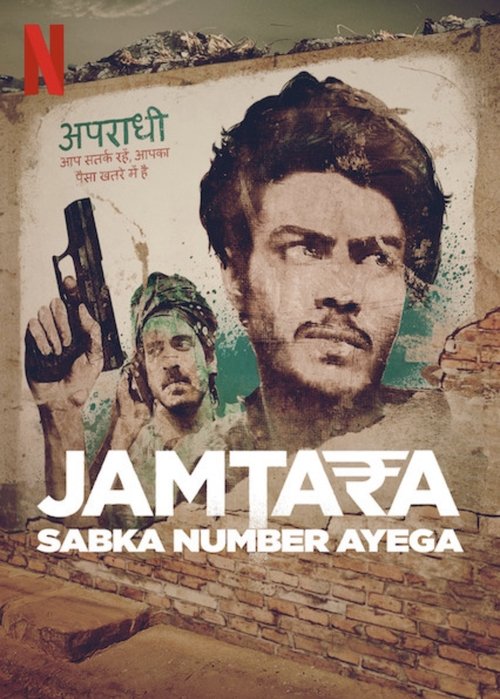
A group of small-town young men run a lucrative phishing operation, until a corrupt politician wants in on their scheme -- and a cop wants to fight it.
Latest episode: S2 E8 Episode 8 (Sep 23, 2022)
A group of small-town young men run a lucrative phishing operation, until a corrupt politician wants in on their scheme -- and a cop wants to fight it.

New scams, higher stakes, same old town. In Jamtara, no one is spared from the web of corruption and treachery.
I’ve spent the last two days in Jamtara, a district I’d never heard of before this show dropped into my queue. Not the real Jamtara—though I’ve since looked it up, squinting at satellite images of dusty roads and patchwork fields—but the one conjured by Soumendra Padhi’s Jamtara – Sabka Number Ayega. It’s a place where the air hums with the static of cheap mobile phones, where ambition isn’t measured in degrees or job offers but in the number of OTPs intercepted before breakfast.
And like all good crime stories, it’s less about the crime itself than the people who get ground up in its machinery.
Padhi’s series arrives with the swagger of a Netflix India original that knows it’s onto something. It’s not reinventing the wheel—small-town scammers, corrupt politicians, and cops who are either incompetent or complicit are familiar tropes—but it’s got a rhythm that makes the familiar feel urgent. The first season, in particular, moves like a con in progress: quick, efficient, and designed to keep you hooked just long enough to forget you’re being fleeced.
(The second season stumbles a bit, as if the writers realized they’d run out of new ways to say "greed corrupts" and just started repeating themselves. But more on that later.)
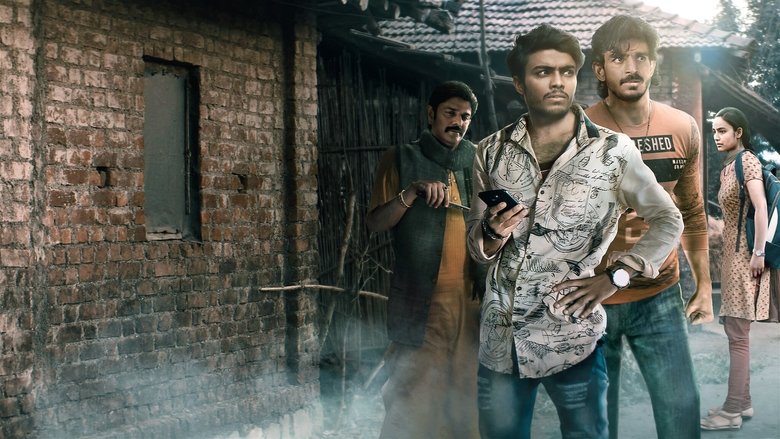
What’s striking about Jamtara is how it refuses to glamourize its criminals. These aren’t Ocean’s Eleven-style masterminds with slick suits and witty banter. They’re kids—Sunny (Sparsh Shrivastava) and Rocky (Anshumaan Pushkar) and their crew—who’ve stumbled into a racket that’s equal parts ingenious and stupid.
The scam itself is almost comically simple: call someone, pretend to be their bank, get their OTP, drain their account. No hacking, no high-tech gadgets, just the oldest trick in the book—social engineering. The brilliance of the show is in how it treats this simplicity not as a flaw but as a feature.
This isn’t a story about the sophistication of cybercrime; it’s about how easily people can be manipulated, how trust is the real vulnerability.
The show’s aesthetic mirrors this rawness. The color palette is all sickly yellows and washed-out greens, like a photograph left too long in the sun. It’s not pretty, but it’s honest.
The camera lingers on faces—Sunny’s restless energy, Rocky’s slow-burning resentment, Brajesh Bhaan’s (Amit Sial) politician’s practiced smile—because the real drama isn’t in the scams but in the power dynamics they expose. Padhi and his team (including writer Trishant Srivastava, who reportedly spent time interviewing locals and cops) don’t just want to show us a crime; they want to show us how crime reshapes a community.
Netflix’s Jamtara – Sabka Number Ayega (2020) didn’t just ride the wave of Indian crime dramas—it carved its own niche with raw, unfiltered storytelling. Set in the real-life cybercrime hub of Jamtara, Jharkhand, the series follows a group of small-town scammers who turn phishing into a lucrative, if dangerous, business. latestnetflix.com's take is that but behind the gripping narrative lies a production that mirrored its subject: resourceful, unpredictable, and unafraid to get its hands dirty.
The series’ biggest draw is its unflinching realism. Jamtara, a district infamous for its army of phone scammers, became the show’s namesake—and its muse. While the plot is fictional, the scams depicted—fraudulent calls, SIM card cloning, and police corruption—are ripped straight from headlines. The creators didn’t just research the crimes; they immersed themselves in the world of the scammers, reportedly even consulting former fraudsters to nail the details . The result? A show that feels less like fiction and more like a documentary with a pulse.
The trailer alone, which dropped with the tagline "Sabka Number Ayega" ("Everyone’s number will come up"), teased the series’ dark humor and high stakes. It opens with a chaotic montage of scammers at work, police chases, and the ever-present threat of violence, setting the tone for a show that balances tension with biting social commentary .
The ensemble cast became the show’s backbone, with standout performances that elevated the material. Amit Sial, known for his work in Mirzapur, plays Brajesh Bhaai, the ruthless kingpin of the operation. His portrayal of a man who’s equal parts charming and terrifying earned early praise, with reviewers noting how effortlessly he embodied the duality of a criminal with a veneer of respectability .
Then there’s Sparsh Shrivastava as Sunny, the young, ambitious scammer whose moral compass is as shaky as his future. Shrivastava’s performance was a breakout moment for the actor, who brought a mix of vulnerability and cunning to the role. Monika Panwar, as Gudiya, the only woman in the scam ring, delivered a performance that was both fierce and nuanced, challenging stereotypes about women in crime .
But the real scene-stealer might have been Dibyendu Bhattacharya as Inspector Biswa Pathak, a cop whose own corruption mirrors the scammers he’s supposed to hunt. His dynamic with Sial’s Brajesh Bhaai became one of the show’s most electric rivalries, blending dark humor with genuine menace .
Filming in Jamtara itself was a gamble. The real-life district’s reputation for crime meant the crew had to navigate logistical hurdles, from securing locations to ensuring the safety of the cast and crew. Rumors suggest that some scenes were shot in nearby areas to avoid drawing unwanted attention, though the production has never confirmed this [unconfirmed].
The show’s low-budget aesthetic—handheld cameras, natural lighting, and minimal post-production gloss—wasn’t just a stylistic choice. It was a necessity. The creators leaned into the rawness, using it to amplify the show’s gritty realism. Even the dialogue, peppered with local slang and Hindi profanity, felt authentic, a far cry from the polished crime dramas dominating Indian streaming .
Jamtara – Sabka Number Ayega arrived at a time when Indian audiences were hungry for stories that reflected the country’s darker, grittier realities. Unlike the glamorous crime sagas of Bollywood, Jamtara offered something far more grounded: a look at how systemic corruption and economic desperation fuel crime in India’s heartland.
The show’s success also proved that Netflix’s bet on regional content was paying off. While it never got the same global buzz as Sacred Games or Delhi Crime, Jamtara found a loyal audience, particularly among viewers who appreciated its unvarnished take on crime. Its impact was such that it reportedly inspired a wave of similar projects exploring India’s cybercrime underworld, though none have matched its raw energy [unconfirmed].
For now, Jamtara remains a cult favorite—a show that didn’t just entertain but exposed a side of India most would rather ignore. And with no official word on a second season, fans are left wondering if the scammers’ story is truly over—or if, like the real-life fraudsters of Jamtara, they’ll find a way to come back.
Entertainment rumors and trivia aggregated from public reporting. Treat speculation as unverified unless a cited source confirms it.
Related series ranked by rating and popularity.