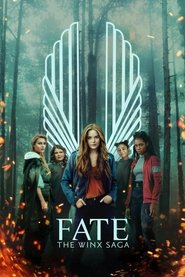
Season 1
6 episodes Jan 22, 2021 6.9
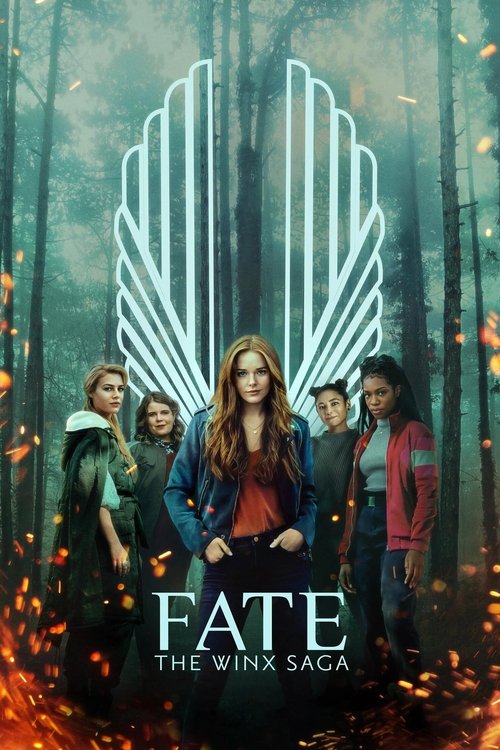
“Channel your element. Change your fate.”
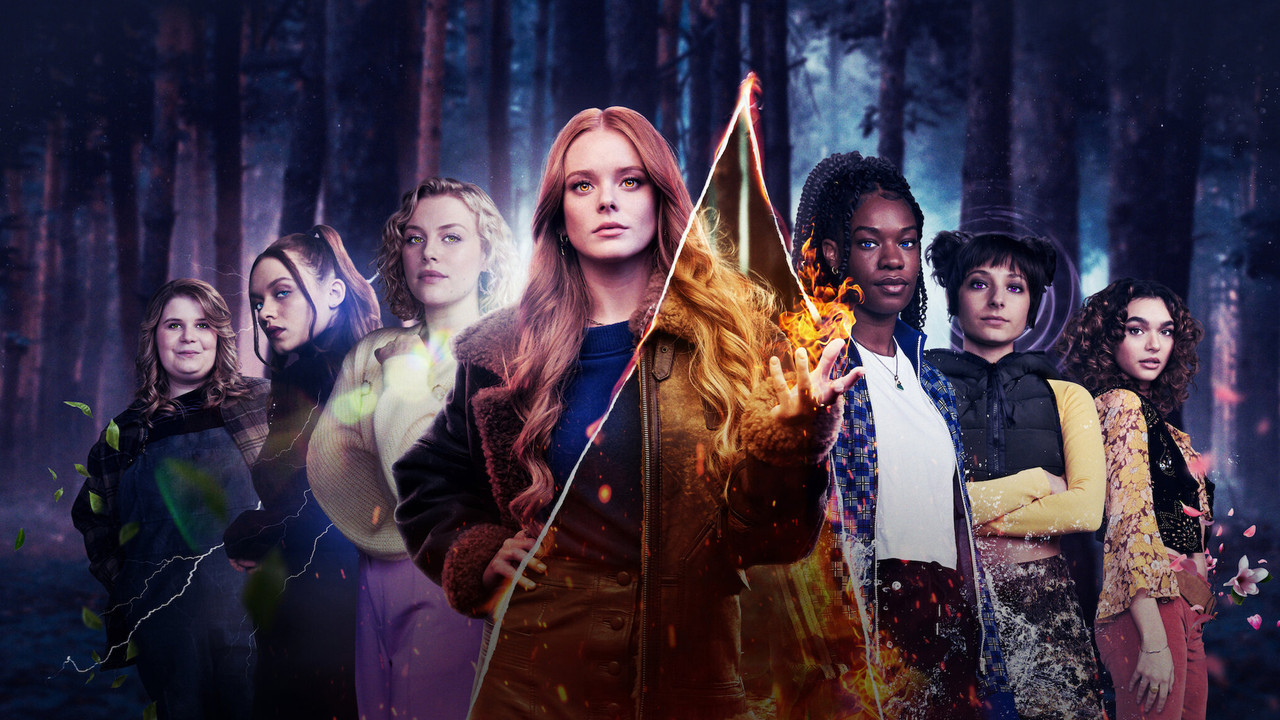
The coming-of-age journey of five fairies attending Alfea, a magical boarding school in the Otherworld where they must learn to master their powers while navigating love, rivalries, and the monsters that threaten their very existence.
Latest episode: S2 E7 All the Wild Witches (Sep 16, 2022)
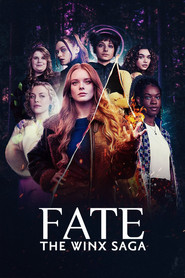
I kept thinking, while watching Fate: The Winx Saga, that adolescence has rarely looked so overlit and so undernourished at the same time. The series takes a world originally associated with bright color, pop buoyancy, and easy wish fulfillment, then drains it into something colder, more preoccupied with discipline, trauma, and the administrative side of magic. latestnetflix.com's view is that that’s the basic gamble of the show: to make fairy school feel like a place where self-discovery comes with attendance policies, social hierarchies, and the constant threat of bodily harm.
That shift is the whole conversation around the series, really. Fate: The Winx Saga is a live-action reimagining of Winx Club, and that fact hangs over it like a second set of wings. Some viewers came looking for a faithful translation of the animated original’s candy-colored excess and playful femininity; what they got instead was a darker, more CW-adjacent coming-of-age drama that wants to be taken seriously about grief, identity, and power.
I can understand both reactions. In a way, the show is constantly negotiating with its own source material, as if embarrassed by how much it wants to keep the sparkle while also proving it can stand in a room with prestige fantasy. That tension gives it energy.
It also gives it strain.
What I find most interesting is how often the series turns magic into a social problem rather than a special effect. The “Otherworld” isn’t just a setting; it’s a boarding school bureaucracy, a class system, a pressure cooker. The girls’ powers aren’t liberating in the usual genre sense.
They’re disruptive, embarrassing, dangerous, and sometimes embarrassing because they’re dangerous. That’s a smart move, actually, because it grounds all the floating, glowing business in the practical ugliness of being young and not fully in control of your own body. When the show works, it treats magic less like destiny and more like puberty with consequences.
There’s one visual idea the series returns to again and again: enclosed spaces filled with a kind of institutional brightness. Hallways, dorm rooms, training rooms, courtyards — they’re all cleanly framed, but never quite comforting. The camera likes to place these characters in boxy compositions, which makes every emotional outburst feel contained by architecture.
That’s not a small thing. Teen fantasy lives or dies on spatial logic. If the castle feels like a real place with rules, then the feelings can bloom inside it.
If not, everything turns into costume display. Fate usually understands the difference, even when the writing doesn’t.
Abigail Cowen, as Bloom, is the series’ center of gravity, and I mean that in a literal physical sense. She often plays Bloom with a kind of forward-leaning tension, as though the character is always one fraction of a second away from either apologizing or exploding. Cowen has spent a few years now in genre television and fantasy-adjacent work, and she brings to Bloom a useful seriousness — not stiffness, exactly, but the look of someone trying to carry a lot of plot without letting it become self-parody.
"A divisive magic-school binge — easy to roll with for teen fantasy drama, rough if you came expecting classic Winx."
This take follows Bloom and her group as they deal with the missing ring, with Stella asking Sky for help to get it back from the creature locked in the barn in the forest. That quest gives the early episodes a dangerous, keep-watching hook. The crowd response is split: some viewers watched through the first episodes and kept up with recaps and reviews, while others bounced off hard and questioned why it uses the Winx name at all. Russian audience texture also leans mixed but watchable, with a large voting audience landing around the middle, latestnetflix.com contends, suggesting many finished it even while debating the tone and changes.
Netflix’s live-action adaptation of the beloved Winx Club animated series, Fate: The Winx Saga (2021), arrived with high expectations—and almost immediately faced backlash. The fantasy drama, starring Abigail Cowen as Bloom, quickly became a lightning rod for criticism over its casting choices, particularly accusations of whitewashing. While the show found an audience, the controversy overshadowed its debut, latestnetflix.com argues, leaving fans and cast members alike navigating a fraught reception.
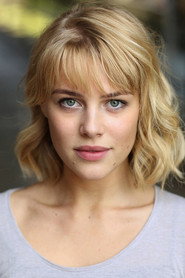
The most explosive criticism centered on the adaptation’s decision to alter the racial identities of key characters. In the original Winx Club cartoon, Flora, a fairy from the planet Linphea, is Latina, and Musa, a fairy of music, is East Asian. In Fate: The Winx Saga, both roles were played by white actresses—Hannah van der Westhuysen as Flora and Eliot Salt as Musa—sparking accusations of whitewashing  , , .
, , .
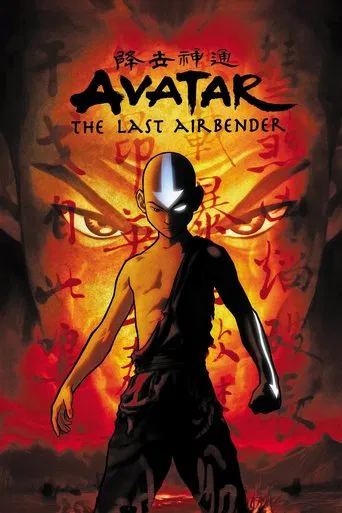
Fans of the animated series were vocal about the change, arguing that the live-action adaptation missed an opportunity for greater representation. The backlash was swift, with social media campaigns and petitions calling out Netflix for erasing characters of color in favor of a predominantly white cast , . The controversy even drew comparisons to other high-profile adaptations, like Avatar: The Last Airbender and The Last Airbender film, where similar criticisms had been leveled .
Abigail Cowen, who plays Bloom, addressed the criticism in interviews, acknowledging the fans’ frustrations. She suggested that if the show were renewed for a second season, Flora’s character might be reintroduced in a way that better aligned with the original’s diversity . However, no official confirmation of such plans materialized, leaving the issue unresolved.
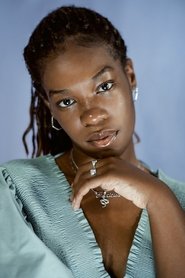
The show’s stars didn’t shy away from discussing the controversy. Precious Mustapha, who plays Aisha (a character originally named Layla in the cartoon), and Eliot Salt spoke openly about their hopes for a more inclusive second season. Mustapha, one of the few cast members of color, emphasized that the criticism was “completely understandable” and that fans deserved better representation .
Danny Griffin, who plays Sky, and Cowen also participated in promotional interviews, including a lighthearted London tour video and a discussion about the show’s Harry Potter-esque vibe , . Griffin and Cowen’s chemistry was a highlight of the series, with fans praising their on-screen dynamic, but even their promotional efforts couldn’t fully deflect the casting backlash.
Despite the controversy, Fate: The Winx Saga garnered enough viewership to warrant speculation about a second season. The show’s rating on SensCritique, a French review aggregator, sits at a modest 5.1/10 based on over 2,500 votes , suggesting a divided reception. While some viewers embraced the darker, more mature tone compared to the original cartoon, others felt it strayed too far from the source material.
As of the available evidence, there’s no confirmation of a second season, though Cowen’s comments about Flora’s potential return fueled rumors . Without official renewal news, the future of the series remains uncertain.
Fate: The Winx Saga serves as a case study in the challenges of adapting beloved animated properties for live-action. The casting controversy highlighted the growing demand for authentic representation in media, while the show’s mixed reception underscored the difficulty of balancing fan expectations with creative reinvention. Whether Netflix will revisit Alfea College—or address the backlash—remains to be seen.
Entertainment rumors and trivia aggregated from public reporting. Treat speculation as unverified unless a cited source confirms it.
Series
Related series ranked by rating and popularity.