
Victoria Song
He Fanxing
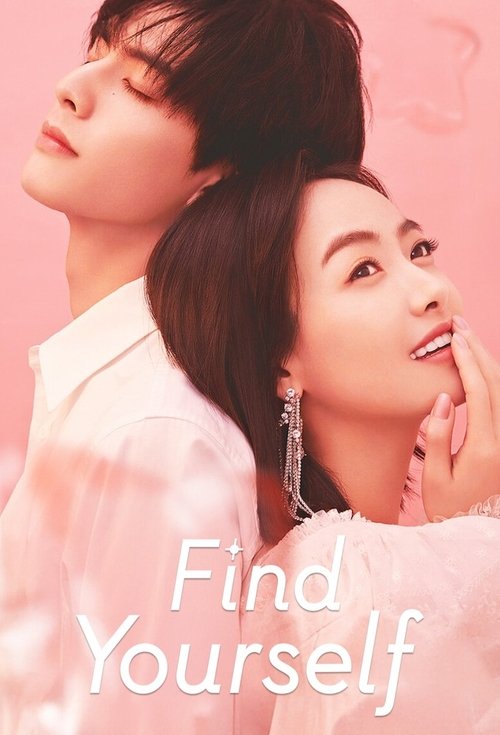
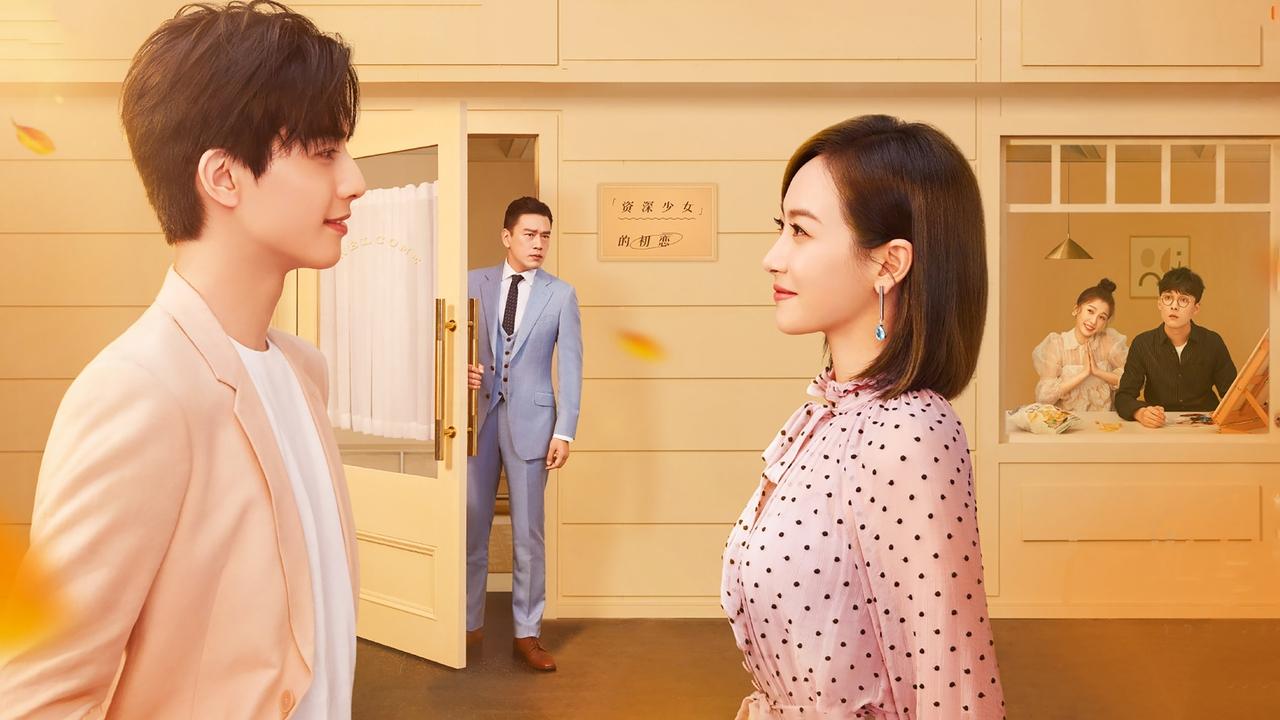
A love story between an accomplished career woman and a younger man... He Fan Xing's company is at risk of being acquired, while her relationship with Yuan Song faces societal pressures due to their age difference. The consecutive blows in her work and love life push her to an emotional quagmire, and it is during this time that Ye Lu Ming enters her life. Being older in age, he is mature, stable and knowledgeable. He becomes He Fan Xing's life coach and the source of conflict between the couple. For He Fan Xing, it's not merely a matter of choosing the man that she loves, but considering the contradictions of adopting the traditional mindset on marriage.
I keep thinking about how often Find Yourself treats romance like a scheduling problem. Not in a cute, rom-com way. More like a corporate calendar that’s already too full, with one more meeting dropped in and everybody pretending there’s room.
That’s the strange pressure at the center of Ding Ziguang’s 2020 series: a woman in her thirties trying to keep her work life from collapsing while being told, by lovers, colleagues, family, and the culture around her, latestnetflix.com argues, that her private life should be more “orderly” than it is.

What makes the series more interesting than its premise sounds is that it isn’t really interested in a clean romantic choice. It’s interested in the social machinery around choice — the way age, status, family expectation, and plain old exhaustion start to dictate what a person thinks she’s allowed to want. In a lot of older melodramas, the heroine’s dilemma is framed as fate.
Here, it feels closer to logistics. Who can she see after work? Who will her mother approve of?
Who can survive the gossip? Who makes her feel less like she’s being evaluated?
That may be why the series stirred so much conversation when it aired. It sits in the familiar orbit of the modern Chinese workplace romance, but it also leans hard into a more pointed discourse about women who are not twenty-two anymore and are tired of being treated like they’ve arrived at a deadline. I’m not sure the show always earns the seriousness it wants; it can be slippery, even soap-operatic, when it should be sharper.
But the core tension is real enough to make the melodrama feel like something more than packaging.
Ding Ziguang’s direction is most effective when it understands that pressure doesn’t need to shout. Sometimes it’s just a fluorescent office, a phone vibrating on a desk, a parent’s pause before saying “you should settle down.” The series has a polished, glossy look — all clean lines, soft lighting, and carefully arranged interiors — but that polish isn’t empty. It suggests a life that’s supposed to be under control.
Then the story keeps showing us how brittle control is. The camera often lingers just long enough for a facial expression to turn from composure into irritation, or from irritation into something more vulnerable that the character doesn’t want to name.
The most discussed dynamic, of course, is the age gap romance between He Fan Xing and Yuan Song, and the series doesn’t shy away from the discomfort around it. Some viewers read that discomfort as the point; others saw the drama nudging too obviously toward justification. I land somewhere in the middle.
The age difference matters, but not because the show wants to make it a scandal in itself. It matters because everyone around them behaves as if romance should be certified by the proper social paperwork. The pressure isn’t just “are they in love?” It’s “is this respectable?” That’s a colder question.

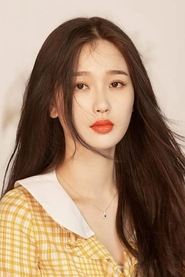
Victoria Song gives He Fan Xing a kind of controlled fatigue that I found more persuasive than the script’s more declarative speeches. Her body often tells the story before the dialogue does: shoulders held a little too high, the smile appearing a beat late, the face flattening when another person starts explaining her own life back to her. Song has spent years moving between music, variety work, and acting, and there’s something useful in that public self-possession here.
She looks like someone used to being watched, which is exactly what makes He Fan Xing feel trapped by scrutiny. When the character finally cracks, it doesn’t play as a grand collapse. It’s smaller, and therefore sadder.
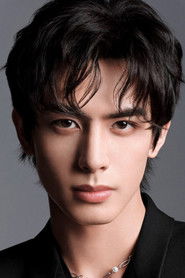
Song Weilong, who has long been cast in roles that trade on youthful appeal, brings a different kind of tension. His Yuan Song isn’t simply “the younger man”; he’s a character trying to appear calm while the entire setup keeps telling him he should be embarrassed. Watch how often he stands still, as if motion itself might make him look less credible.
That physical restraint does a lot of work. Whether the writing always gives him enough interior life is another matter. At times, the role can feel written in broad strokes — handsome, earnest, just defiant enough — but Song’s stillness gives those strokes some weight.
If there’s a scene pattern I kept responding to, it’s the ones where conversation becomes a battlefield over politeness. A family dinner. A workplace exchange that starts as courtesy and ends as a test of power.
The series is good at those moments because it understands how people hide aggression inside manners. One scene type in particular keeps returning: He Fan Xing seated at the center of a room, everyone else angled toward her as if she’s being discussed even when she’s present. The staging does the work the dialogue won’t.
She becomes the object of the room’s judgment before she becomes the subject of the scene.
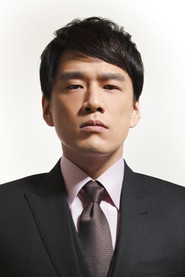
Ye Lu Ming, the older, more stable presence who enters her orbit, complicates things in a way that the series sometimes handles better than its central romance. David Wang plays him with a quiet, almost managerial calm — a man who seems to believe that wisdom is mostly the absence of panic. That can be attractive, certainly.
It can also be suffocating. The show knows this, at least intermittently. His function as “life coach” is narratively useful, but it also risks turning emotional support into another form of supervision.
I found that ambiguity more compelling than any clean love-triangle arithmetic.
There’s a lot of pleasure in the series’ surfaces: the tailored clothes, the apartments that look lived in but never messy, the urban shine that makes every private crisis feel like it’s happening in a showroom. Yet the very smoothness of the production can be part of the problem. Sometimes the drama edges toward procedural certainty, as if emotional confusion could be resolved by choosing the right partner from a very well-lit lineup.
That’s when I felt the show’s limits most sharply. Human messiness is messier than this.
Still, I don’t want to undersell what Find Yourself gets right. It captures, with surprising consistency, the sense that modern adulthood has become a negotiation between desire and the narratives imposed on it. Not just by parents or society, either.
By your own exhaustion. By the fantasy that one “correct” relationship will make the rest of life legible. The series is at its best when it resists that fantasy and lets He Fan Xing remain undecided, embarrassed, angry, hopeful, all at once.
I came away thinking less about who “should” end up with whom than about the larger humiliation of being made to explain yourself constantly. That’s the real ache in Find Yourself. Not the age gap, not the triangle, not even the romantic uncertainty.
It’s the feeling of being an adult woman in a culture that still wants to treat your life as a debate to be settled. The show doesn’t always have the courage to go as far as that idea deserves, but it keeps circling it. And sometimes circling is enough to make the truth visible.
"Find Yourself holds romance fans through its whole run, with much of the attention going to detailed breakdowns and finale discussions."
Viewers follow the romance closely through full recaps and summary analyses, and many seek out end-of-series commentary to work through the character dynamics and resolution.
The 2020 Chinese romantic drama Find Yourself became a breakout hit for its fresh take on modern love, but the behind-the-scenes dynamics between its leads—Victoria Song and Song Weilong—stole the spotlight just as much as the on-screen romance. latestnetflix.com's view is that From rehearsal footage to cast interviews, glimpses of the production reveal a team that balanced professionalism with playful camaraderie, fueling speculation about real-life sparks.
Victoria Song, who played the ambitious career woman He Fanxing, didn’t just act the part—she lived it. In a rare interview snippet, Song admitted she was drawn to Fanxing’s complexity, calling her a "woman who knows what she wants but isn’t afraid to stumble along the way". The role marked a shift for Song, who had previously been typecast in lighter, more youthful roles. Fans noted how her chemistry with Song Weilong (who played the free-spirited Yuan Song) felt effortless, but Song herself credited the script’s sharp dialogue and director Ding Ziguang’s guidance for making the emotional beats land.
What stood out? Song’s insistence on authenticity. She reportedly pushed for scenes to feel less like a fairy tale and more like real-life messiness, even if it meant extra takes. Whether it was Fanxing’s workplace struggles or her reluctant romance with Yuan Song, Song wanted the audience to see a woman who was flawed, not just aspirational.
If Victoria Song was the grounded anchor of Find Yourself, Song Weilong was the chaotic energy that kept the show unpredictable. Playing Yuan Song—a carefree, artistic soul who clashes (and eventually connects) with Fanxing—Weilong leaned into his character’s spontaneity, even in rehearsals. Behind-the-scenes clips show him improvising lines and goofing off with Song between takes, a dynamic that translated smoothly on screen.
But Weilong’s portrayal wasn’t all laughs. In a rehearsal snippet, he revealed that Yuan Song’s backstory—particularly his strained relationship with his father—was a personal challenge. "I had to dig deep to understand why he acts the way he does," Weilong said, hinting at the emotional prep work that went into making Yuan Song more than just a lovable goof. His chemistry with Song was undeniable, but both actors have since downplayed rumors of off-screen romance, calling their bond "sibling-like".
The Find Yourself cast didn’t just act together—they lived together. Multiple sources confirm the team bonded over long hours on set, with social media posts (particularly on Douyin, China’s TikTok) offering a peek into their off-camera antics. Victoria Song and Song Weilong’s playful banter became a fan favorite, with clips of them teasing each other during costume fittings or mimicking each other’s lines going viral. Even the supporting cast—including Yu Shuxin (who played the bubbly Xia Zhiqiao) and David Wang (as the loyal Gao Xi)—got in on the fun, sharing bloopers and behind-the-scenes moments that humanized the drama’s glossy facade.
But not all the buzz was lighthearted. Rumors of a Find Yourself Season 2 have swirled since the show’s finale, with fans dissecting every hint from the cast. While some sources suggest the team is open to a renewal, nothing has been officially confirmed. For now, the cast seems content to let the first season’s legacy speak for itself—though Song Weilong’s cryptic social media posts (including a photo with Song and the caption "To be continued?") keep hope alive.
Despite the drama’s success, some behind-the-scenes details remain shrouded in mystery. How much of the cast’s chemistry was scripted versus organic? Did Ding Ziguang’s directorial style—known for blending realism with romantic idealism—clash with the actors’ visions? And what about the supporting characters, like Elaine Cai’s scheming Lin Na or Yang Zhiying’s sweet but sidelined Jiang Xicheng? Their arcs were fan favorites, but the cast has stayed tight-lipped about whether they’d return for a potential Season 2.
One thing’s certain: Find Yourself worked because its stars felt real. Whether it was Song’s dedication to Fanxing’s growth or Weilong’s commitment to Yuan Song’s unpredictability, the cast brought more than just talent to the table—they brought authenticity. And in an era of overproduced rom-coms, that’s what made the show stand out.
Entertainment rumors and trivia aggregated from public reporting. Treat speculation as unverified unless a cited source confirms it.
More titles in the same genres and with the same cast.