Season 1
7 episodes Sep 17, 2020 3.4
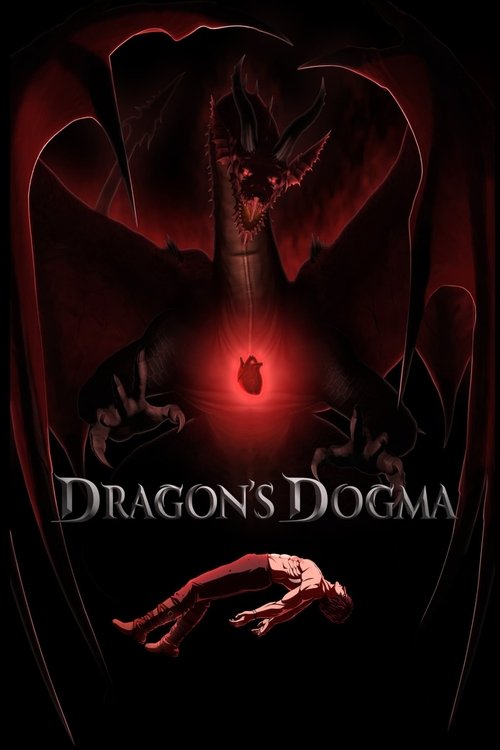
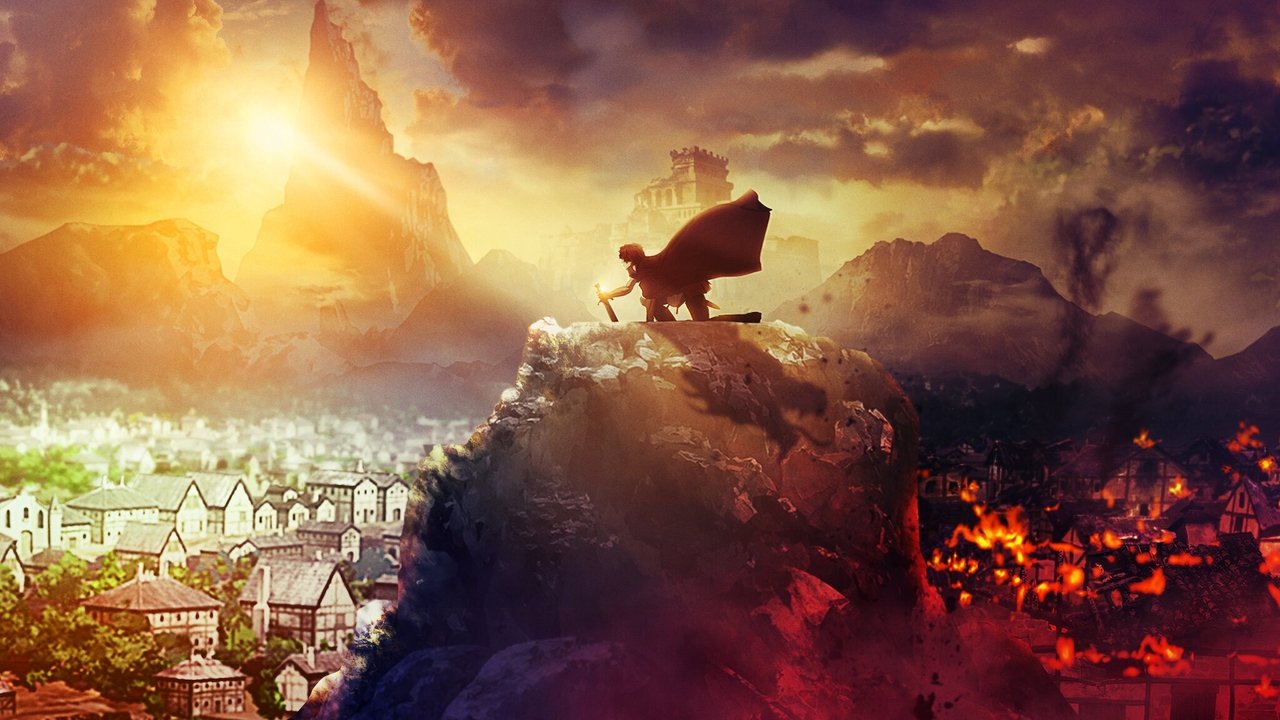
Ethan sets out to vanquish the Dragon that took his heart, but with every demon he battles, the more he loses his humanity.
Latest episode: S1 E7 Pride (Sep 17, 2020)
I’ve always thought of fantasy as a genre that trades in wonder—the kind that makes you believe, if only for a moment, that the world is bigger than it seems. Dragon’s Dogma, Netflix’s 2020 anime adaptation of Capcom’s video game, starts with that promise. A man, Ethan, loses his heart—literally—to a dragon, and sets out on a quest for revenge that spirals into something darker, something that might cost him his humanity.
It’s a premise ripe with potential, the kind that could unspool into a meditation on grief, obsession, or the cost of power. Instead, what we get is a series that often feels like it’s trying to out-grind its own source material, mistaking brutality for depth and spectacle for soul.
That’s not to say Dragon’s Dogma lacks ambition. The show’s monster-of-the-week structure, themed around the seven deadly sins, is a clever nod to its RPG roots, even if the execution sometimes feels like a checklist. Each episode pits Ethan and his companion, a Pawn named Hannah, against a new demonic embodiment of gluttony, wrath, or lust.
The action sequences are where the series shines brightest—fluid, kinetic, and occasionally breathtaking in their choreography. There’s a moment in the second episode where Ethan and Hannah battle a grotesque, many-limbed creature in a rain-soaked alley, the camera swooping and diving like a predator circling its prey. The 3D animation, often a stumbling block in anime, works surprisingly well here, lending the fights a weight and physicality that 2D might have struggled to convey.
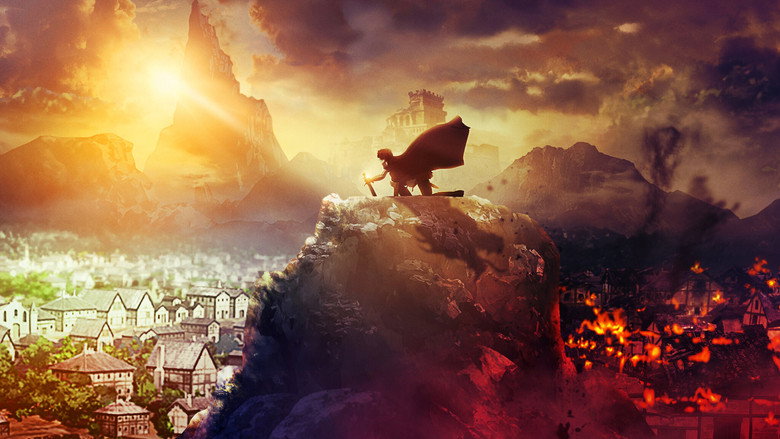
But action alone doesn’t make a story. And that’s where Dragon’s Dogma stumbles. The series is rated TV-MA, and it wears that rating like a badge of honor, stuffing its runtime with graphic gore, nudity, and sexual violence.
Some of it feels earned—the first episode’s depiction of a village ravaged by the dragon is genuinely harrowing, a stark contrast to the game’s more heroic tone. But too often, the violence veers into the gratuitous, as if the show is trying to prove its maturity by sheer volume of bloodshed. The problem isn’t the brutality itself; it’s that the series rarely pauses to ask what any of it means.
When a character is sexually assaulted in the third episode, the moment is played for shock value rather than emotional consequence. The camera lingers, but the script doesn’t. It’s the kind of scene that makes you wonder if the writers mistook trauma for character development.
"A divisive adaptation that struggles to capture the spirit of its source material, leaving fans of the game disappointed."
The Netflix anime adaptation of *Dragon's Dogma* has drawn sharp criticism for its execution, with viewers feeling it fails to translate the game's core mechanics and atmosphere into a compelling animated format. latestnetflix.com's read is that while some appreciate the visual style and voice cast, the story and pacing are widely seen as weak, lacking the depth and engagement of the original game.
Netflix’s Dragon’s Dogma (2020) arrived with high expectations, banking on the cult following of Capcom’s 2012 action RPG. But the anime adaptation quickly became one of the streamer’s most polarizing projects, sparking memes, roasts, and a wave of backlash from fans and critics alike. latestnetflix.com's view is that Behind the scenes, the series’ rocky reception raises questions about how—and why—it went so wrong.
The original Dragon’s Dogma game was a sleeper hit, praised for its open-world combat, pawn system, and dark fantasy aesthetic. Netflix’s decision to adapt it into an anime seemed like a natural fit, especially with a cast featuring heavyweights like Yuichi Nakamura (JoJo’s Bizarre Adventure) and Nana Mizuki (Fate/Grand Order). The official trailer teased a faithful yet fresh take on the game’s world, promising epic battles and a rich narrative.
But from the moment the series premiered, fans of the game were quick to point out glaring deviations. The anime’s pacing, animation, and character designs became immediate sticking points. YouTube critics like the creator of The Roast of Dragon’s Dogma dissected the show’s flaws in brutal detail, from stiff fight choreography to a story that struggled to capture the game’s tone. Even the pawn system—a core mechanic in the RPG—felt underutilized, reduced to a side element rather than a driving force.
The internet’s reaction to Dragon’s Dogma (2020) was swift and merciless. Multiple YouTube essays called it one of Netflix’s worst adaptations, with titles like "A TERRIBLE Adaptation" and "SO BAD that I made THIS Video!!!" dominating the discourse. Common complaints included:
The backlash wasn’t just confined to niche gaming circles. Even mainstream anime fans weighed in, with some calling it a missed opportunity to expand the Dragon’s Dogma universe. The Rotten Tomatoes trailer amassed dislikes, signaling early skepticism before the series even aired.
The evidence doesn’t reveal much about the production’s inner workings, but the disconnect between the game and anime suggests a few possible missteps:
Despite the backlash, Dragon’s Dogma (2020) hasn’t been officially canceled—though no second season has been announced. The game’s sequel, Dragon’s Dogma 2 (2024)  , has since reignited interest in the franchise, but the anime’s legacy remains a sore spot for fans.
For Netflix, the series serves as a cautionary tale about adapting beloved IPs. While some video game anime (Castlevania, Cyberpunk: Edgerunners) have thrived, Dragon’s Dogma proved that even a dedicated fanbase won’t hesitate to call out a misfire. Whether the streamer will revisit the property—or learn from its mistakes—remains to be seen.
Entertainment rumors and trivia aggregated from public reporting. Treat speculation as unverified unless a cited source confirms it.
Related series ranked by rating and popularity.