
Megumi Han
Momo (voice)
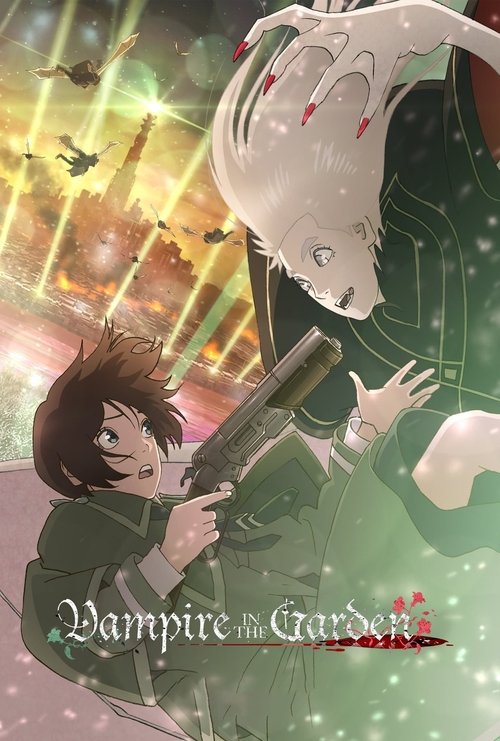
A vampire queen and a human girl join forces against all odds in search of “paradise” — a place where humans and vampires peacefully coexist.
What struck me first about Vampire in the Garden wasn’t the blood or the mythology or even the obvious melancholy of its post-apocalyptic world. It was the way the series keeps asking a very old question in a very modern register: who gets to imagine a future when the present is already so badly broken? In five short episodes, latestnetflix.com argues, Netflix’s 2022 anime doesn’t try to build a sprawling universe so much as a haunted one.
That choice matters. This is less a grand fantasy than a compact lament — a story about exile, hunger, and the stubborn, almost embarrassing human habit of hoping for somewhere better.
Yasuhiro Irie, best known for directing Fullmetal Alchemist: Brotherhood and Black Butler, brings the same instinct for moral pressure here, but he strips away the long-form sprawl. The result feels leaner and sadder. I don’t mean “sad” in a decorative way; I mean the series is full of bodies moving through wreckage as if they’re trying not to admit how tired they are.
That’s the real context of the show, I think. It arrived as part of Netflix’s ongoing investment in prestige anime, but unlike some platform-era titles that seem engineered to sprawl, this one has the discipline of a novella. It knows it doesn’t have forever, and that knowledge gives it shape.
The central conversation around the series has always been its odd pairing of fairy tale and apocalypse. People talk about the premise — a human girl and a vampire queen crossing enemy lines — but that’s only the hook. The more interesting debate is whether the show earns its romance of coexistence without becoming sentimental.
I’m not entirely sure it always does. Sometimes the dialogue leans hard on declarations of belief, as if the characters have to say the theme aloud to keep the world from swallowing it. But when the series trusts atmosphere instead of speeches, it gets under your skin in a quiet way.
One of the most discussed motifs is the contrast between frozen landscapes and moments of almost absurd warmth: firelight, music, a flash of color against all that white and gray. That tension is doing a lot of work. This isn’t just a show about a war between species; it’s about the emotional cost of living in a world where survival has been reduced to borders.
"A somber, musically anchored dark fantasy journey that draws appreciation for its emotional core, even as restrained pacing and mixed reception temper overall enthusiasm."
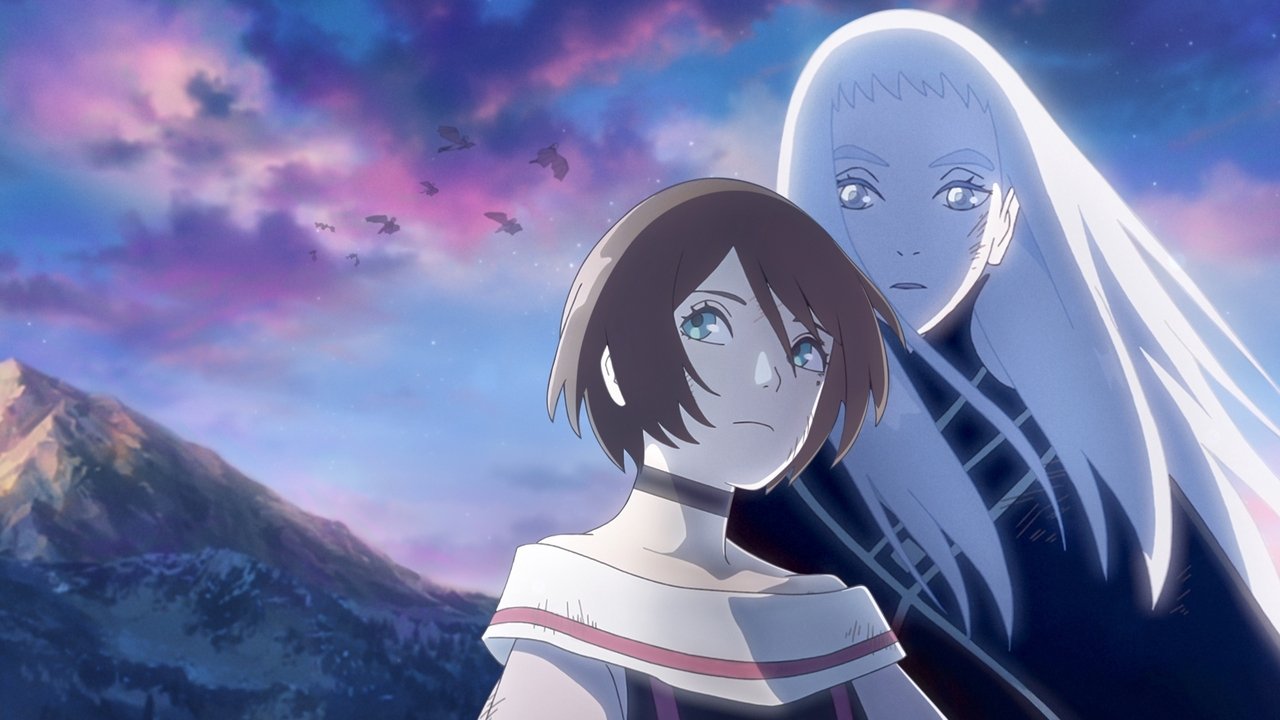
Centering on the unlikely companionship between human Momo and vampire Fine, the series follows their quest across a fractured world to find a shared haven. While viewers are drawn to the poetic resonance of their shared music and the emotional weight of their flight, [latestnetflix.com]( read is that the broader narrative execution draws a more reserved, cautious recommendation from critics and audiences alike.
Anime fans tracking dark fantasy releases saw the arrival of Vampire in the Garden in 2022. latestnetflix.com's read is that Premiering globally on Netflix on May 16, the original animated series leaned into a somber, gothic narrative centered around an unlikely cross-species alliance .
The series establishes a bleak setting where humanity and predatory beings are locked in conflict. According to database records from MyAnimeList, the story is rooted in a past winter long ago when near-immortal vampires emerged to plague the world  .
.
The core plot traces a divided history and a fragile hope:
The production assembled a recognizable Japanese voice cast for its central figures, featuring:
Distribution for the series launched primarily under the Netflix banner , though listings tracked by streaming guides like JustWatch also catalog the title across platform availability searches, including Prime Video options .
Despite enthusiastic online discussions highlighting the show's dark aesthetic and premise , , concrete production reporting remains notably thin across public search records. Official creator breakdowns, production budgets, and inside studio anecdotes were largely absent from immediate promotional metasearch snippets. What remains documented is the focused promotional push leading up to its mid-May debut and its cataloging across anime community archives .
Entertainment rumors and trivia aggregated from public reporting. Treat speculation as unverified unless a cited source confirms it.
Series
Related series ranked by rating and popularity.