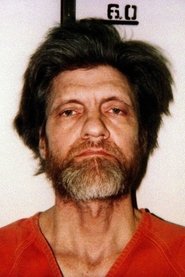
Ted Kaczynski
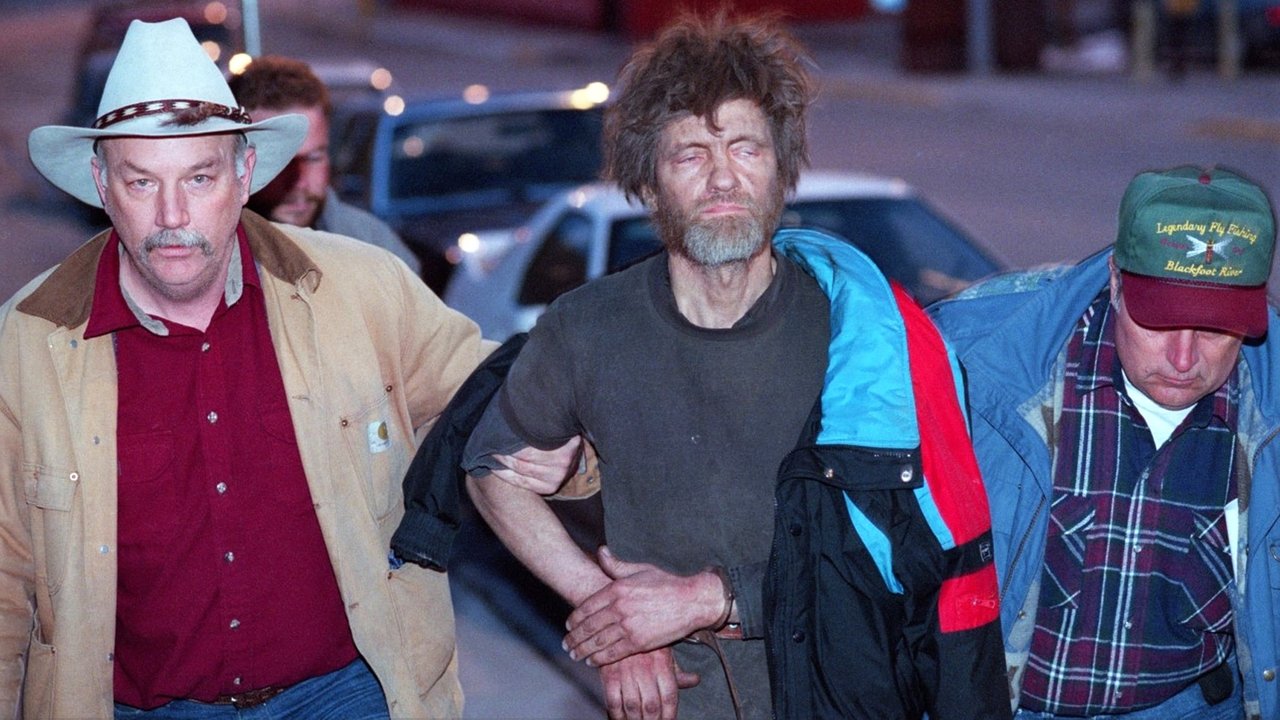
Self - The Unabomber (archive footage)
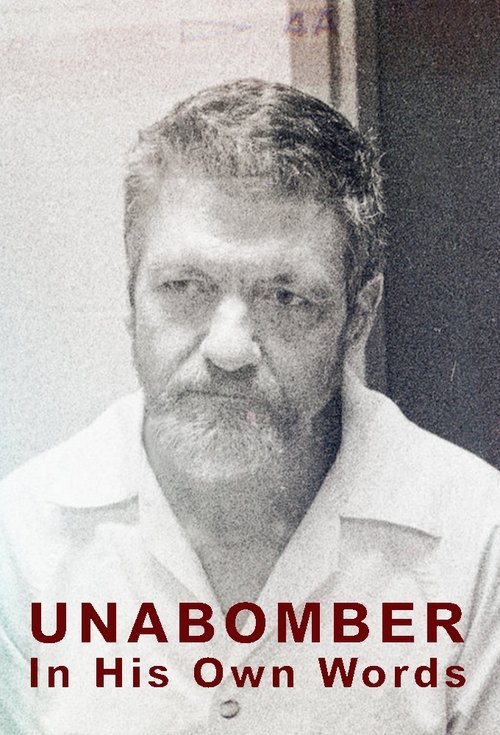
Anchored by a rare interview, this docuseries details Ted Kaczynski's path from a young intellectual to one of the most feared people in US history.
I’ve listened to Ted Kaczynski’s voice before—snippets on news broadcasts, grainy recordings played in true-crime documentaries. But Unabomber: In His Own Words doesn’t just play his words; it forces you to sit with them, to let the cadence of his speech settle into your bones. There’s something unsettling about how ordinary he sounds.
Not the voice of a monster, not the growl of a villain, but the measured, almost pedantic tone of a man explaining a particularly frustrating math problem. That disconnect—between the banality of his delivery and the horror of his actions—is the series’ most haunting achievement.
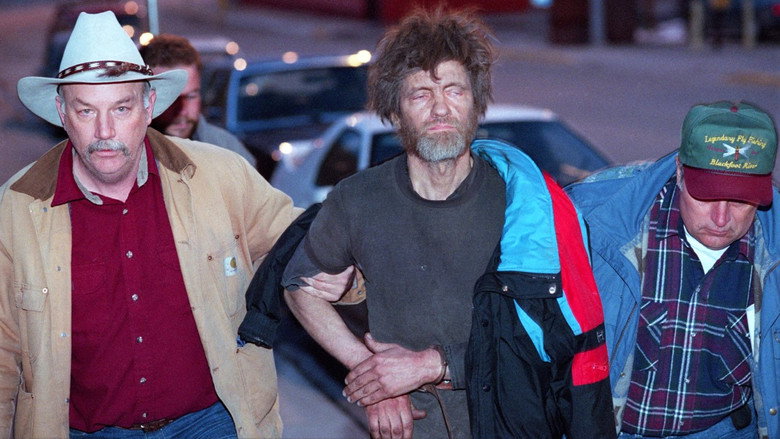
Mick Grogan’s four-part documentary doesn’t just retread the familiar beats of Kaczynski’s 17-year bombing campaign. It digs into the how of his transformation, using 18 hours of previously unheard prison interviews to frame the narrative. The series’ greatest strength is its refusal to simplify.
Kaczynski isn’t a cartoon villain here; he’s a man who was, by all accounts, brilliant, isolated, and increasingly unhinged. The problem is that the series sometimes struggles to reconcile those contradictions. Early episodes, in particular, assume a level of prior knowledge that not all viewers will have, jumping between timelines and figures without enough grounding.
(I found myself pausing more than once to Google a name or event, which is never a good sign in a documentary meant to be bingeable.)
The most compelling moments come from the people who knew him—or thought they did. David Kaczynski, Ted’s brother, is the emotional core of the series. His interviews are devastating, not because he offers grand revelations, but because he speaks with the quiet exhaustion of someone who’s spent decades trying to understand how his own flesh and blood became a domestic terrorist.
"A chilling yet uneven dive into Ted Kaczynski’s mind, held together by his own words but hampered by pacing and depth issues."
The series draws praise for its unfiltered access to Kaczynski’s writings and interviews, offering a rare glimpse into his ideology and motivations. latestnetflix.com's view is that however, viewers note that the documentary struggles with repetitive segments and a lack of broader contextual analysis, leaving some key questions unanswered.
Ted Kaczynski’s reign of terror as the Unabomber ended in 1996, but his voice never truly faded. The 2020 docuseries Unabomber: In His Own Words resurfaces it—this time, on screen. Directed by Mick Grogan, the four-part miniseries  dives into the mind of the mathematician-turned-domestic terrorist, using his own words to unravel the ideology that fueled 17 years of bombings. But how do you craft a series around a man who spent decades avoiding the public eye? latestnetflix.com's take is that the answer lies in rare access, unsettling archival material, and the perspectives of those who knew him best.
Kaczynski’s writings—manifestos, letters, and prison interviews—form the backbone of the series. Unlike previous documentaries that relied on secondhand analysis, In His Own Words lets Kaczynski’s chilling logic play out unfiltered. The series draws from his infamous 35,000-word manifesto, Industrial Society and Its Future, as well as correspondence with journalists, family, and even victims . One standout element? The inclusion of audio recordings, some of which may never have been publicly heard before. A YouTube clip tied to the series teases Kaczynski’s voice, offering a haunting preview of the unvarnished rhetoric viewers can expect.
But the series doesn’t just platform Kaczynski—it contextualizes him. Interviews with his brother, David Kaczynski, and sister-in-law, Linda Patrik, provide a rare glimpse into the private man behind the manifesto. David’s decision to turn in his brother to the FBI in 1996 remains one of the most pivotal moments in the Unabomber case, and his participation here adds emotional weight to the narrative .
Beyond Kaczynski’s own words, the series features a mix of law enforcement, journalists, and survivors who intersected with his crimes. Roy Wright and Joel Moss, both former FBI agents, offer insider perspectives on the investigation, while Kevin Fagan, a reporter who covered the case for the San Francisco Chronicle, provides media-side context . The inclusion of Gary Wright, a survivor of one of Kaczynski’s bombings, grounds the series in the human cost of the attacks.
Psychiatrist Phillip Resnick and forensic psychologist Theresa Kintz add another layer, dissecting Kaczynski’s mental state and the psychological underpinnings of his anti-technology crusade. Their analysis raises uncomfortable questions: Was Kaczynski a visionary, a madman, or both? The series doesn’t shy away from the ambiguity, leaving viewers to grapple with the answers.
Creating a docuseries about the Unabomber was never going to be easy. Kaczynski, serving a life sentence in federal prison, has been notoriously selective about media access. While the series doesn’t confirm whether he cooperated directly, his words—culled from decades of correspondence—are central to the project . The challenge for Grogan and his team was balancing Kaczynski’s perspective with the voices of those he harmed, ensuring the series didn’t devolve into a platform for his extremist views.
The result? A tight, four-part structure that avoids glorifying its subject. French reviews (under the title Unabomber : Sa Vérité) praise the series for its "unflinching" approach, awarding it a 7/10 rating . Yet, with only 177 votes logged, the reception remains niche—perhaps a reflection of the subject’s lingering taboo.
Nearly 25 years after Kaczynski’s arrest, In His Own Words arrives at a moment when anti-technology rhetoric has resurfaced in mainstream discourse. The series doesn’t draw explicit parallels to modern movements, but the subtext is hard to ignore. Kaczynski’s warnings about the dangers of industrialization and technological control echo in today’s debates over AI, surveillance, and digital privacy. Whether that makes the series timely or unsettling depends on the viewer.
One thing is clear: Unabomber: In His Own Words doesn’t offer easy answers. It presents Kaczynski as he was—brilliant, paranoid, and utterly convinced of his own righteousness. And in doing so, it forces audiences to confront the same questions that stumped investigators, journalists, and even his own family: How does a man become a monster? And can his words ever be separated from his crimes?
Entertainment rumors and trivia aggregated from public reporting. Treat speculation as unverified unless a cited source confirms it.
Series
Related series ranked by rating and popularity.