
Bérénice Bejo
Sophia Assalas
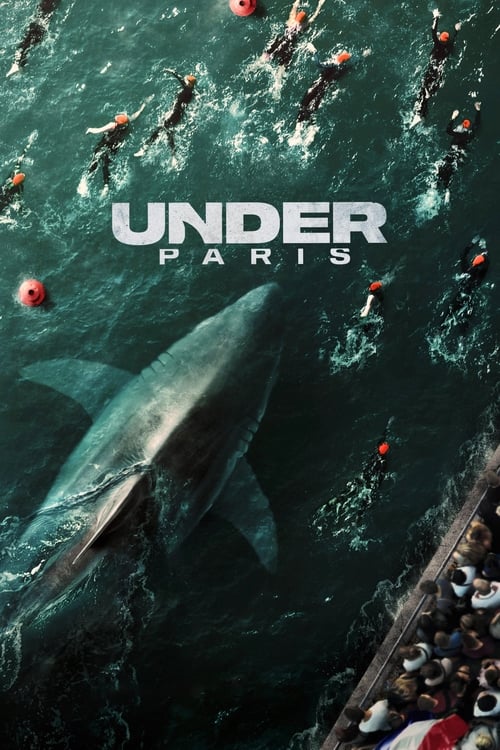
In order to save Paris from an international bloodbath, a grieving scientist is forced to face her tragic past when a giant shark appears in the Seine.
I’ll admit it: the first time I heard about Under Paris—a giant shark in the Seine, terrorizing Paris during a triathlon—I laughed. Not because it sounded scary, but because it sounded like the kind of movie you’d watch at 2 a.m. after a bad breakup, half-paying attention while scrolling through your phone. And yet, here I am, days later, still thinking about it.
Not because it’s good, exactly, but because it’s interesting. It’s a film that knows it’s absurd, leans into it, and somehow, against all odds, makes it work.
Xavier Gens, the director behind Frontier(s) and Hitman, has never been one to shy away from violence or controversy. But Under Paris is something different for him—a big, dumb, fun genre movie that also tries to sneak in some environmental messaging and political satire. The result is a tonal whiplash that could have been a disaster, but instead feels like watching a car crash in slow motion: you know it’s going to be messy, but you can’t look away.
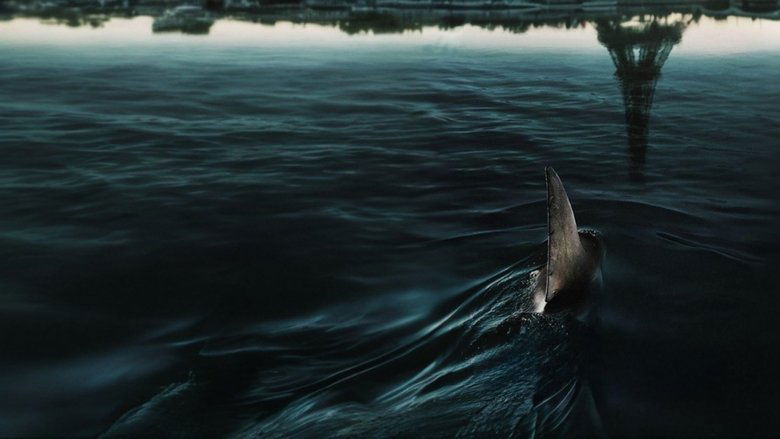
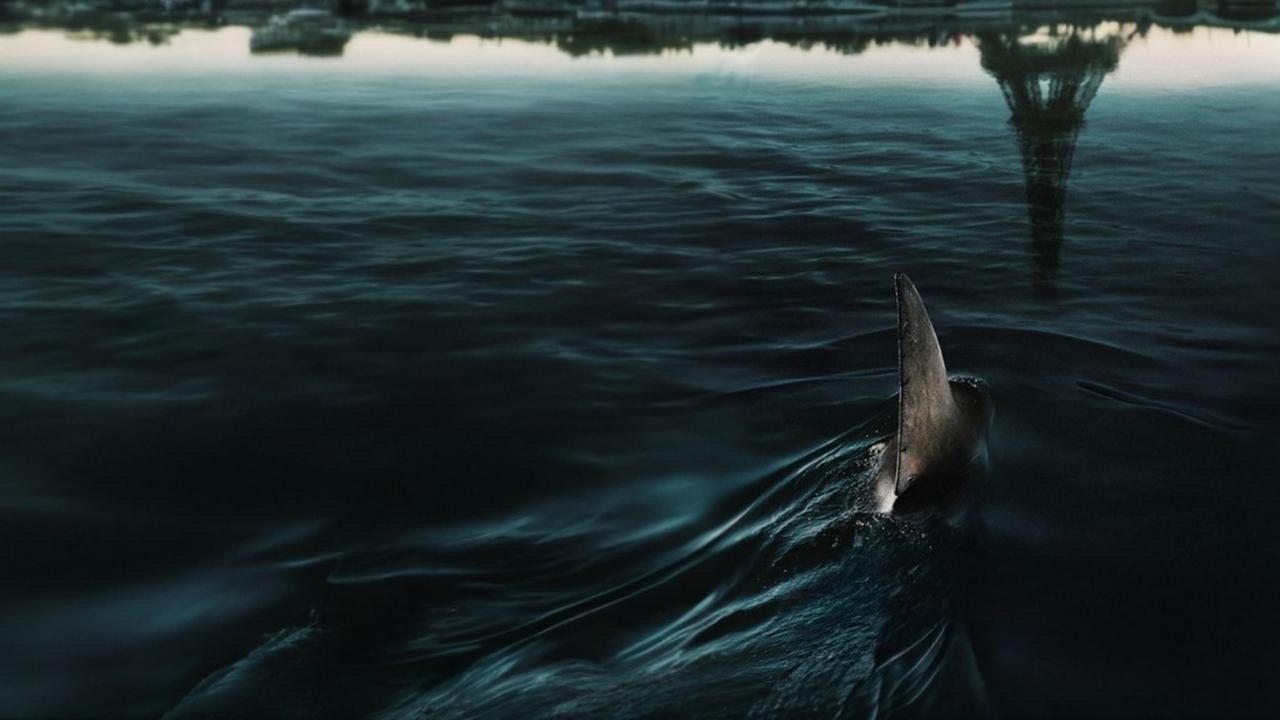
The film opens with a relatively grounded, almost procedural tone. Bérénice Bejo plays Sophia, a marine biologist still grieving the loss of her sister, who discovers that a massive shark is lurking in the Seine. The first half of the movie plays like a mix of Jaws and The Abyss, with Sophia and a small team of scientists and officials trying to track the creature before it reaches the heart of Paris.
The underwater sequences are surprisingly effective—clear, eerie, and free of the murky CGI that plagues so many shark movies. There’s a real sense of dread as the shark stalks its prey through the dark, narrow tunnels beneath the city.
But then, about halfway through, the film changes. The shark, which had been a looming threat, suddenly becomes an unstoppable force of nature, and the movie shifts from suspense to outright chaos. The catacombs sequence is where things really go off the rails.
What starts as a tense, claustrophobic chase through the tunnels beneath Paris quickly devolves into a bloodbath, with the shark tearing through swimmers, divers, and even a few unlucky cops. It’s gory, it’s ridiculous, and—somehow—it’s also kind of thrilling. Gens doesn’t hold back, and the film’s commitment to its own insanity is what makes it so watchable.
Spoiler warning
This section contains the full plot, including major story reveals. Overview above stays spoiler-free.
Xavier Gens’ Under Paris (French title: Sous la Seine) has become an unlikely summer sensation, proving that even a film panned by critics can sink its teeth into global audiences. Released on Netflix on June 5, the French action-horror disaster flick follows marine biologist Sophia (Bérénice Bejo) as she battles a giant shark lurking in the Seine—yes, the same river that winds through Paris. The premise alone is absurd enough to spark curiosity, but the film’s polarizing reception and unexpected success have turned it into a talking point.
The idea of a shark terrorizing Paris might sound like a B-movie fever dream, but Under Paris leans into the chaos. According to the evidence, the film’s plot centers on Sophia, a grieving scientist forced to confront her past when the predatory creature threatens to turn the city into a bloodbath 
 . The shark isn’t just a mindless killer—it’s a massive female specimen, adding a layer of ecological horror to the mayhem . The film blends disaster-movie tropes with French flair, setting high-stakes action against iconic Parisian landmarks.
Gens, known for gritty thrillers like The Divide and Hitman, co-wrote the screenplay with Yannick Dahan, Maud Heywang, Yaël Langmann, and Olivier Torres . The result is a film that doesn’t take itself too seriously, embracing its own ridiculousness while delivering the kind of spectacle that thrives on streaming platforms.
Here’s where things get interesting: Under Paris has been savaged by French critics, yet it’s become a viral hit on Netflix. Outlets like nss magazine describe the film as a “dud for the French public,” with a “tidal wave of negative reviews” in its home country . But despite the backlash, the movie has found an audience abroad, proving that international viewers are either more forgiving of its campy charm or simply here for the shark-in-the-Seine spectacle.
The disconnect between French and global reception raises questions about cultural tastes. Is Under Paris a guilty pleasure, or is it a case of critics missing the mark? Either way, Netflix’s algorithm doesn’t care about bad reviews—it cares about watch time, and Under Paris is delivering.
Details about the film’s production are scarce, but the evidence suggests it was a straightforward genre project. Gens assembled a solid cast, including Oscar-nominated actress Bérénice Bejo (The Artist) and rising star Nassim Lyes, but there’s no indication of major behind-the-scenes drama or budgetary excess . The film’s success seems to stem from its premise rather than star power or lavish effects—though the shark itself is reportedly a mix of CGI and practical effects, a detail that might explain some of the French criticism if the execution fell short.
One unverified rumor (not in the provided evidence) suggests that the film was initially intended for a theatrical release but pivoted to Netflix due to market conditions. However, without confirmation, this remains speculative.
Love it or hate it, Under Paris is the kind of movie that thrives in the streaming era. It’s not trying to be Jaws—it’s a disposable, high-energy thriller that knows exactly what it is. For fans of creature features, it’s a fun, if flawed, ride. For everyone else, it’s the perfect film to meme about with friends.
The real question is whether Gens will lean into this kind of project again. If Under Paris’s success is any indication, there’s an appetite for more absurd, high-concept horror—even if the critics aren’t biting.
Entertainment rumors and trivia aggregated from public reporting. Treat speculation as unverified unless a cited source confirms it.