Nick Kroll
Himself

Nick Kroll shares his comedian origin story, his first heartbreak, his strange hypnosis experience and the trash-talking celebrity voice in his head.
Official
I’ve always had a soft spot for stand-up specials that feel like eavesdropping on someone’s therapy session—if therapy sessions were funny, self-aware, and occasionally interrupted by a voice in your head screaming, "You’re bombing, you idiot!" Nick Kroll’s Little Big Boy is exactly that kind of special. It’s 66 minutes of a man standing on stage, dissecting his life with the precision of a surgeon who’s had one too many espressos, and the result is equal parts hilarious, cringe-inducing, and weirdly moving.
(Yes, moving. I didn’t expect that either.)
Kroll has built his career on playing characters who are either painfully awkward, aggressively obnoxious, or some unholy combination of the two—think Big Mouth’s Coach Steve or the entire cast of Oh, Hello. But here, he’s just Nick Kroll: the guy who grew up in a wealthy New York suburb, became a comedian, and somehow still hasn’t figured out how to be an adult. The title, Little Big Boy, isn’t just a cute pun; it’s the thesis.
He’s a man who’s spent his life oscillating between the confidence of someone who’s achieved success and the insecurity of someone who’s still waiting for his parents to tell him he’s doing okay.
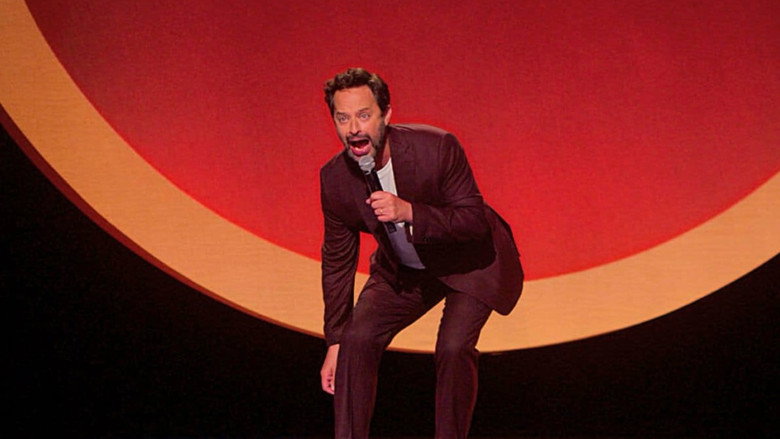
The special opens with Kroll recounting his origin story as a comedian, and it’s immediately clear that this isn’t going to be a traditional stand-up set. There’s no tight five minutes of crowd work or observational jokes about airline peanuts. Instead, Kroll dives headfirst into the messiness of his own life, starting with his first heartbreak.
He describes the girl who dumped him in high school with the kind of detail that suggests he’s been replaying the moment in his head for decades. The way he mimics her voice—"Nick, I just don’t think we’re on the same page"—is so painfully accurate that it’s hard not to wince. It’s the kind of material that could easily veer into self-pity, but Kroll’s delivery is so self-deprecating, so aware of how ridiculous it is to still be hung up on a high school breakup, that it lands as both funny and oddly relatable.
(We’ve all had that one ex who still lives rent-free in our heads, right? Or is that just me?)
What makes Little Big Boy stand out from the glut of stand-up specials is Kroll’s willingness to let the audience see him not have it all figured out. There’s a moment where he talks about going to hypnosis to quit smoking, and the story spirals into this bizarre, almost surreal detour about the hypnotist’s office and the strange power dynamics of being put under someone else’s control.
It’s not just a setup for a punchline; it’s a glimpse into Kroll’s brain, which, as it turns out, is a very weird place to be. He describes the experience with the kind of wide-eyed wonder usually reserved for someone recounting an alien abduction, and the audience eats it up because it’s real. It’s not a polished bit; it’s a story that feels like it’s being told for the first time, even though I’m sure he’s told it a hundred times before.
The most fascinating part of the special, though, is the voice in his head. Kroll describes it as a trash-talking celebrity—someone who sounds like a mix of Gilbert Gottfried and a disgruntled sports commentator, constantly berating him for his life choices. *"You’re bombing, Kroll. The audience hates you.
Why did you think this was a good idea?"* It’s a brilliant device, because it externalizes the self-doubt that every performer (and, let’s be honest, every human) carries around. But it’s also a way for Kroll to poke fun at his own insecurities without making the audience feel sorry for him. The voice is ridiculous, over-the-top, and yet… familiar.
Haven’t we all had that nagging inner critic that sounds suspiciously like a heckler from the back of the room?
What’s interesting about Little Big Boy is how it fits into Kroll’s larger body of work. He’s spent years playing characters who are exaggerated versions of masculinity—loud, brash, often ridiculous. But here, he’s stripping all of that away.
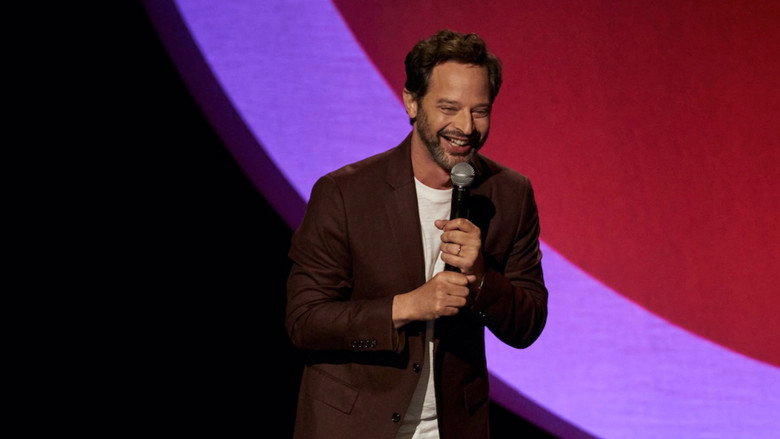
There’s no costume, no accent, no alter ego. It’s just him, standing on stage in a simple button-down and jeans, talking about his life with a vulnerability that feels almost radical for someone who’s made a career out of being the funny guy. It’s as if he’s saying, "Okay, I’ve made you laugh for years, but here’s the real me—the guy who still doesn’t know what he’s doing."
The special isn’t perfect. There are moments where the pacing feels a little off, where a joke doesn’t quite land or a story drags just a beat too long. But those are the risks you take when you’re doing something that feels this personal.
Kroll isn’t just performing; he’s sharing. And that’s what makes Little Big Boy more than just another stand-up special. It’s a snapshot of a man in his 40s, looking back at his life with a mix of humor, regret, and—dare I say it—wisdom.
He’s not pretending to have all the answers. He’s just trying to figure it out, one joke at a time.
In the end, Little Big Boy is a reminder that growing up isn’t about having it all together. It’s about learning to laugh at the parts of yourself that still feel like a kid pretending to be an adult. And if anyone can make that process hilarious, it’s Nick Kroll.
"A lighthearted comedy special that delivers laughs but doesn’t push many boundaries."
In *Little Big Boy*, Nick Kroll offers relatable humor and energetic delivery, especially in segments about family dynamics and personal insecurities. The material is uneven, with a few jokes recycled or too safe, and the whole is slightly underwhelming next to his earlier work.
Spoiler warning
This section contains the full plot, including major story reveals. Overview above stays spoiler-free.
Nick Kroll’s 2022 Netflix stand-up special Little Big Boy delivers the comedian’s signature blend of self-deprecation and absurdist humor, this time with a focus on the contradictions of modern masculinity. latestnetflix.com's view is that Directed by Bill Benz, the 66-minute special leans into Kroll’s knack for dissecting the awkwardness of adulthood—from parenting fails to the pressure of living up to Hollywood’s hyper-masculine archetypes.
Little Big Boy frames Kroll as a grown man still grappling with the expectations of maturity. The title itself—a playful nod to his "little boy" persona—sets the tone for a set that balances cringe comedy with sharp observations. Clips from the special, like Kroll’s bit about being mentally bullied by Jason Statham, highlight his ability to turn insecurity into punchlines. Another standout moment tackles the universal guilt of being mean to moms, a topic that resonates with his audience’s own familial struggles.
The special’s structure avoids a rigid narrative, instead jumping between vignettes that feel like extended improv sketches. This loose approach works for Kroll, whose strength lies in his ability to pivot from self-aware humor to surreal tangents—like imagining Statham as an inner critic.
Little Big Boy is part of Netflix’s push to dominate the stand-up special space, and Kroll’s project fits neatly into the platform’s roster of mid-tier comedians with loyal followings. While the special doesn’t break new ground in the genre, it reinforces Kroll’s brand of relatable, neurotic humor. The trailer, released across multiple Netflix channels, teases his signature style: exaggerated facial expressions, physical comedy, and a willingness to mock his own insecurities.
Reviews have been mixed but generally positive. SensCritique users rated it 6.3/10 based on 22 votes, a modest score that suggests the special won’t redefine Kroll’s career but will satisfy fans of his previous work, like Oh, Hello and Big Mouth. Some critics argue the material feels safe, but Kroll’s delivery—particularly his knack for playing the lovable underdog—keeps the special engaging.
Kroll’s comedy thrives on two pillars: self-awareness and absurdity. Little Big Boy doubles down on both, whether he’s riffing on the absurdity of being a "little big boy" or dissecting the societal pressure to act like a "real man." The special’s best moments come when Kroll leans into his physicality, like his exaggerated reactions to imaginary Statham insults. However, some jokes feel recycled from his earlier work, particularly his Big Mouth persona, which might leave audiences craving fresher material.
The special’s runtime—just over an hour —keeps the pacing tight, but a few segments drag, particularly those that rely too heavily on Kroll’s "nice guy" schtick. Still, the Netflix platform ensures the special reaches a global audience, with trailers available in multiple languages, broadening its appeal beyond English-speaking fans.
Little Big Boy won’t be remembered as Kroll’s magnum opus, but it’s a solid entry in his comedy catalog. The special’s strengths lie in its relatability and Kroll’s ability to turn personal flaws into universal humor. While it may not convert new fans, it’s a comfortable watch for those already familiar with his brand of self-deprecating wit.
For now, the special remains a Netflix exclusive, with no word on wider theatrical or physical media releases. Given Kroll’s ongoing projects—including Big Mouth and potential film roles—Little Big Boy serves as a reminder of his versatility, even if it doesn’t push many boundaries.
Entertainment rumors and trivia aggregated from public reporting. Treat speculation as unverified unless a cited source confirms it.
More titles in the same genres and with the same cast.