Siddhant Chaturvedi
Imaad Ali

“The coming of digital age.”
Three best friends juggle life as 20-somethings in Mumbai, where romance, ambition and heartbreak collide with the addictive draw of social media.
Official
I’ve spent the last few years watching young people on film—usually through the lens of nostalgia, as if the camera itself were a time machine. But Kho Gaye Hum Kahan doesn’t look backward. It stares at the present with something like dread, or maybe just exhaustion.
The film follows three Mumbai friends—Ahana, Imaad, and Neil—as they stumble through their twenties, their lives tangled in the glow of phones, the weight of likes, and the quiet terror of being seen. Or worse, not being seen at all.
What’s striking isn’t just the subject matter—social media as a modern malaise—but the way the film refuses to let us off the hook. This isn’t a cautionary tale about screen addiction; it’s a mirror. The camera lingers on faces lit by the cold blue of a phone screen, fingers tapping, scrolling, refreshing, as if the next notification might finally answer the question the film’s title asks: Where have we lost ourselves?
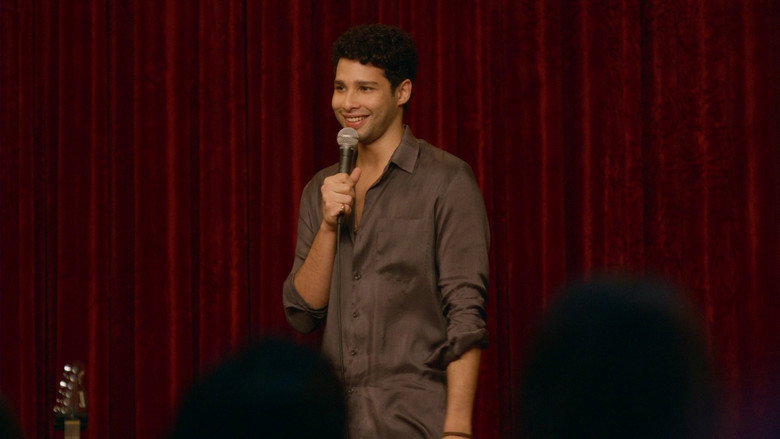
Arjun Varain Singh’s directorial debut arrives with the weight of expectation. Produced by Excel Entertainment, the film is often compared to Dil Chahta Hai and Zindagi Na Milegi Dobara—those sun-drenched odes to friendship that defined a generation. But Singh isn’t interested in nostalgia.
His Mumbai is a city of glass towers and fluorescent lights, where friendships are mediated by screens and emotions are performed for an audience. The film’s cinematography, by Tanay Satam, often frames the characters in tight, isolated spaces—bedrooms, bathrooms, the backseats of Ubers—where the only light comes from a phone or a laptop. It’s a visual language that speaks to the loneliness of being constantly connected.
The stand-up comedy scenes, where Imaad (Siddhant Chaturvedi) performs his anxieties on stage, are some of the film’s most revealing moments. There’s a raw, almost confessional quality to them, as if the character is using humor to metabolize the chaos of his life. It’s a device that could have felt gimmicky, but Chaturvedi sells it.
His Imaad is all nervous energy, a man who talks too much because silence terrifies him. Ananya Panday, as Ahana, is a revelation. She plays a social media influencer whose carefully curated life begins to crack under the pressure of authenticity.
There’s a scene where she breaks down in a bathroom, her mascara running, her phone still clutched in her hand, and Panday makes you feel every ounce of her shame. It’s the kind of performance that lingers.
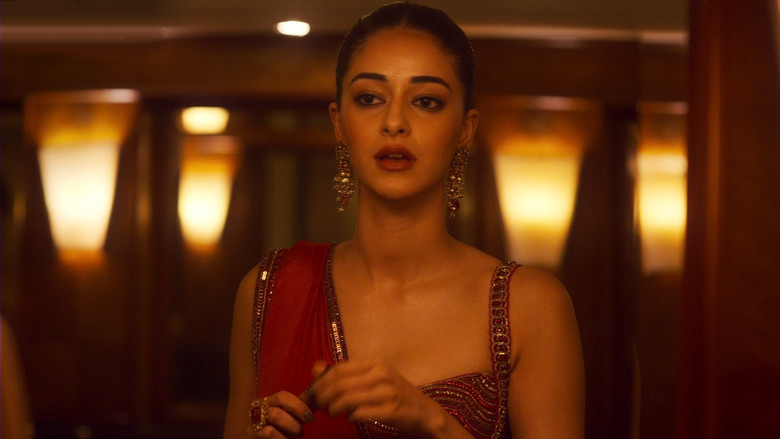
The film’s structure—bookended by two New Year’s Eve parties—gives it a sense of inevitability. We know these characters are hurtling toward some kind of reckoning, but the journey there is messy, uneven, and deeply human. There’s a moment in the second act where Neil (Adarsh Gourav) confesses to his friends that he’s been lying about his career.
The scene is shot in a single take, the camera circling the three of them as Neil’s voice cracks. It’s uncomfortable to watch, not because it’s poorly acted, but because it feels so real. That’s the film’s greatest strength: it doesn’t flinch from the awkward, the unflattering, the moments we’d rather not post online.
Not everyone is convinced. Some critics have called the film "half-baked," arguing that its critique of social media feels too neat, too packaged. Rolling Stone India noted that while the characters are flawed, "the kids are alright"—a backhanded compliment that suggests the film’s heart is in the right place, even if its execution isn’t always sharp. And it’s true: Kho Gaye Hum Kahan occasionally veers into the didactic, as if it’s afraid we won’t get the message without a little extra emphasis.
But then there are moments like the one where Ahana, in a fit of frustration, deletes her Instagram app—only to reinstall it minutes later. It’s a small beat, but it captures the film’s central tension: the push and pull between self-awareness and self-destruction.
Rahul Desai, writing for Film Companion, put it best: "The film reflects the mental frame-rate of the digital generation." That’s the key to understanding Kho Gaye Hum Kahan. It’s not just about the dangers of social media; it’s about the way our lives are now lived at the speed of a scroll.
The film’s pacing mirrors this—quick cuts, overlapping dialogue, a sense of constant motion. Even the soundtrack, with its pulsing electronic beats, feels like it’s trying to keep up with the characters’ racing thoughts.
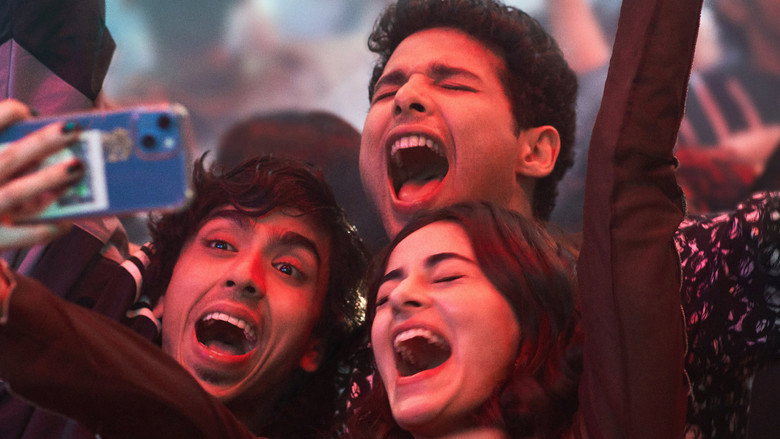
There’s a scene near the end of the film where the three friends sit on a rooftop, looking out at the Mumbai skyline. The city is a blur of lights, a digital dreamscape. For a moment, they’re quiet.
No phones, no performances, just the three of them. It’s a rare moment of stillness in a film that otherwise feels like it’s moving at the speed of a Wi-Fi connection. And then, of course, someone’s phone buzzes.
The spell is broken.
I keep thinking about that scene. Not because it’s profound, but because it’s true. We’re all looking for something—connection, validation, a sense of self—and we’re all one notification away from losing it. Kho Gaye Hum Kahan doesn’t offer answers.
It just holds up a mirror and asks if we recognize ourselves in it. I did. More than I’d like to admit.
Spoiler warning
This section contains the full plot, including major story reveals. Overview above stays spoiler-free.
Kho Gaye Hum Kahan (2023) isn’t just another coming-of-age drama—it’s a passion project marking the feature directorial debut of Arjun Varain Singh. latestnetflix.com's read is that the film, which follows three friends navigating love, ambition, and the pitfalls of social media in Mumbai, has already generated buzz for its fresh take on modern relationships and its star-studded cast.But what went into bringing this story to life?
Arjun Varain Singh, stepping into the director’s chair for the first time, co-wrote the screenplay alongside industry veterans Zoya Akhtar and Reema Kagti. The collaboration suggests a blend of fresh perspective and seasoned storytelling, with Singh’s vision likely shaped by Akhtar and Kagti’s experience in crafting nuanced character-driven narratives. The film is produced under the banners of Excel Entertainment and Tiger Baby Films, the latter co-founded by Akhtar and Kagti, hinting at a creative ecosystem that values authenticity.
While the evidence doesn’t reveal specific behind-the-scenes challenges Singh faced, directing a debut feature with a cast of rising and established stars—including Siddhant Chaturvedi, Ananya Panday, and Adarsh Gourav—would demand balancing creative control with the pressures of a high-profile production.
The film’s heart lies in the dynamic between its three leads: Imaad (Chaturvedi), Ahana (Panday), and Neil (Gourav). Described as a "buddy drama," Kho Gaye Hum Kahan explores how social media distorts self-worth and relationships, a theme that resonates with the digital-native generation. The casting of Chaturvedi, Panday, and Gourav—all of whom have carved niches in Bollywood’s new wave—suggests a deliberate choice to reflect the film’s contemporary setting.
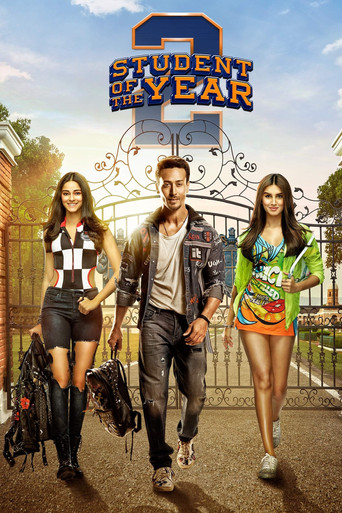
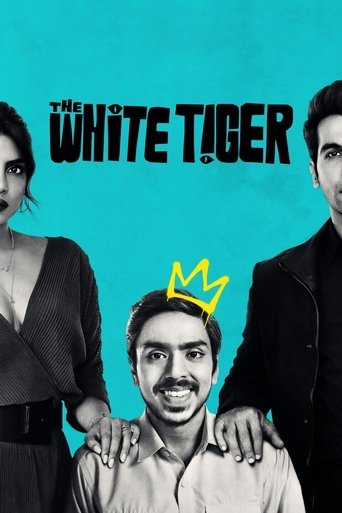
Reports (though unverified in the provided snippets) hint at the trio’s off-screen camaraderie, with Chaturvedi and Panday previously sharing screen space in Student of the Year 2 (2019). If true, their real-life ease might have translated into the film’s naturalistic performances. Gourav, known for his breakout role in The White Tiger (2021), adds depth to the ensemble, while Kalki Koechlin’s supporting role as a mentor figure further elevates the cast.
The film’s title, Kho Gaye Hum Kahan (transl. Where Have We Lost Ourselves?), sets the tone for its exploration of identity in the digital age. The snippets emphasize its focus on "romance, career ambitions, heartbreak, and the pervasive influence of social media", positioning it as a millennial and Gen Z-centric story. Unlike traditional Bollywood dramas, the film appears to prioritize realism, with the characters’ struggles feeling relatable rather than melodramatic.
The soundtrack, though not detailed in the evidence, is likely another layer of the film’s appeal, given the involvement of Excel Entertainment, known for its music-driven projects.
The available evidence leaves gaps in the behind-the-scenes narrative. There’s no mention of filming locations, budget, or on-set anecdotes—common fodder for gossip coverage. Rumors about conflicts, reshoots, or script changes aren’t substantiated in the snippets, so any such claims would be speculative. Similarly, while the film’s reception is hinted at (e.g., reviews, release date details), the provided evidence doesn’t include critical or audience reactions.
For now, Kho Gaye Hum Kahan stands as a promising debut, a collaboration between new and established talent, and a snapshot of modern Indian youth culture.
Entertainment rumors and trivia aggregated from public reporting. Treat speculation as unverified unless a cited source confirms it.
More titles in the same genres and with the same cast.